
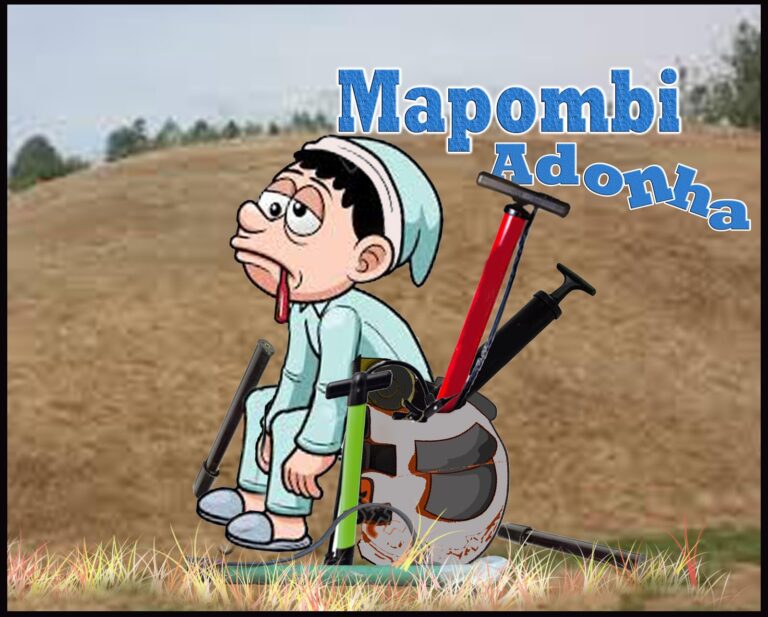
Mapombi is always praying for this beloved motherland called Zimbabwe, as we drift towards 2023 elections, I can see Zanu PF haisi kurara everyday trying to do all sorts of gimmicks. They are busy trying to make sure they manipulate voters, 2023 is not easy maCdes I can see kkkk. Yes some may say Zanu PF benefits from the delimitation report but kune zvimwe zvikara zviri kunyura nayo iyi kkkkk wait and see. It may be beneficial to the party as a whole but imwe mikono iri kuwa apa and their teeth are already gnashing as we speak. You can see from what they are doing whole ministers are officially opening useless things that even a head boy cannot afford to, but neZanu munotokuenda chete. I heard our very own Minister will be in Chivi at a dip tank to declare war on January Disease. Sure minister kufambira kunoona mombe dzichitiva kkkk. While that’s a noble cause, but madii kuzvisiira vana Provincial vet officers to declare war on ticks. We have many other issues that we need our ministers to declare war on. Declare on corruption, war against human rights abuses, war against incarceration of opposition politicians, war against drug abuse, war against violation of human rights, war against hunger, and war against child marriages, not zveJanuary disease izvo. Our challenge is mainly corruption and everything else is a result of that.
Kkkkkk, todiiko nevanhu veMasvingo kkkkk, haa regai nditange zvangu nekuseka, shuwa I really don’t know what to do with vana Wezhira zvakarebwa naMbuya vaGivas paya. That old lady reminds me of gogo Mahofa Chikoforo, chaiva chakaoma chimai chiya. One Munhu who could tell the army to take over from Mugabe saying he was surrounded by thieves, true to her word, the army took over a few months after her death kkk. I think mapfupa avo akamuka kunge ambuya Nehanda. I just pray dai amuka futi aite zvaakamboita ipapo pacho coz mmm, the situation we are in is worse than that time when the army stepped in. Zvino Masvingo is at it again, busy abusing our old gogos and madalas who should be resting at home. I heard mbuya vaGivas saying they only know China and Russia. Hanzi Zanu yakauya neropa not nepencil kkkkk. Imi vana Pande siyai chembere dzedu dzizorore zvakanaka musavapinza mupolitics.
Zuro ndizuro Masvingo forced the Sexmorehardy to officially open a clinic, a whole old and sick Zanu PF Second Secretary kuuya kuzovhura clinic, is he a government official? Why not ask our Dr Shamhu to open it? Apa they had forced him kunonga marara mutown and to plant trees. Seiko musina moyo imi vanhu veZanu ko iko kukotsira shasha yakati zete muchair. Kushungurudza harahwa yevanhu kudaro hamunyari. Zanu PF should learn to distinguish party from State events.
But chimusangano chinonzi Zanu PF chinojairira vanhu sure, they want to hijack everything yet they don’t want to give rivalries even a small chance to exercise their constitutional rights. Tosvikepi with that kind of leadership. Itai henyu, asi let me warn you. You won’t be in the ballot box, vanhu vangwara, you can bribe them all you want but come election, umwe neumwe anomira nezvake kkk. Zvabva zvandifungidza zvangu kuchurch tichiimba umwe neumwe anondomira nezvake kudenga kuma Mwari baba. Mmm I miss those days vanhu vachanamata chaiko not zvava kuitwa mazuva ano where comedians are church leaders. Sure kutoti tina prophet kubvira Panganai Java. Ukuwo we have ana Hebert Mudzanire vekuzvichinja Zita Hanzi Hubert Angel, ndozvakaita Angel zviya, nxaa. Manje I hear the so called angel was filmed neAljazeera achiroodza kutaura how they do it, yes how corruption is being done. Let me tell you this today, Mwari haasi chidhori, haatambwe naye, on that note ndapedza nemi.
I hear Zanu PF is having its primary elections very soon so tichaonerera zvedu especially here in Masvingo, I can’t wait for the drama. So ladies and gentlemen, let me tell you this, fasten your seat belts because we are in for a bumpy joyride kkk. Hazvisi KuZanu chete, even kuChamisa Chete Chete or Citizens Coalition of Comedians hameno kkkk, I just know kuti at the end its triple C. Yes triple C has its own drams and tichaonerera zvedu, I just know that Lawyers will battle it out to represent Masvingo Urban in the house of assembly. Kkkk, Zanu yagara hailumi, hezvino ndiri pano. Asi never say never kkkk, Zanu PF is capable of anything, since they have manipulated the delimitation process, gore rino tichadzidza zvakawanda sure. They offloaded three wards from Masvingo Urban kwaakukuturira kumaruzevha kkkk. But Zanuka, haipererwi kkkk. Imi vanhu veCCC, please itai maprimary elections not imposition yamoda kuita. There is no consensus whatsoever. Take it or leave it but ndatofira kureva zvangu.
Zanu PF is now full of sick people, used to think it’s only Kedha and Sexmorehardy zvigulani but I was shocked to hear someone who looks healthy like Larry Mavhima achikosora ari kuPoly zvainzwika kuchitima uko. He was addressing youths while coughing like hell. Ko kana munhu achirwara kuzorora kunodii? Kuda allowance or kuda basa?
If anyone sees Whitehead please tell July Moyo please kuti akawana time akwane, I heard he was forcing all traditional lead to swear allegiance to Zanu PF, asi havasi vanhu? In this era vanhu vachaita zvekuvhundusirwa here kuti support Zanu PF because ndoyakupai ushe. Chete vanhu vangwara like I told you, they benefit from you but will vote for their choice. Apa while teachers are struggling, they are busy preparing to give masabhuku mari, after all vanoripisa vanhu vachidya, vamwe zvavo vanodya kuviri. Iwo anotonga, especially those from Zaka and Chivi kkkk.
Before I go hangu kunokanga maputi angu for lunch, let me take this opportunity to congratulate our fellows from our sister country of Nigeria. Yes kwaana Oga ikoko they did it so we will also do it. They chose their own old man just like the Americans. Tinubu inenge itori nhubu zvayo, how can people with senses vote for such an old man who looks like he has just been resurrected. Ours is old but this is the only time I can be proud of him, achiri nani zvake kkkkk. But I am sure as Zimbabweans we will copy a few notes from Nigeria. What happened in Nigeria is how not to vote kkkk. Let’s not vote for old people vafana varipo. Kana musingadi Nero better vote for Linda Masarira kkkk.
Let’s thank the almighty for giving us the boy or man this time around, this guy called Freddy is as soft as wool. I hear he has a few casualties but it’s not devastating as Idai. However, while you are all celebrating, ini ndanzwa nechando. Moto wemapaper hauveseki kuchinaya kudai. This is when I think of Mphoko and the incubators kkkk. Maybe aidai aakutondipawo imwe kkkk. Iye akazodiiko naWelshman Ncube neChoppies issue iya. Kubva ati zii kudaro. Is Ncube still VP weCCC? He is also quiet just like Mphoko. Chete zvikomo zviri pedo napedo zvopakurirana mhute kkk. Mboko Imboko!!!!
Declare war on corruption not January Disease
Masvingo Fitness trainer gives hope to stroke patients
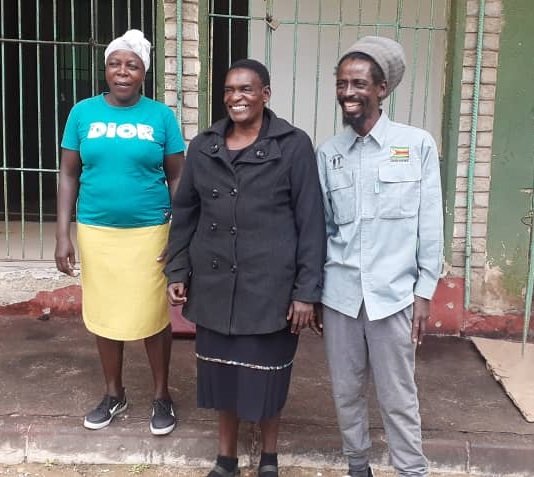
…stroke patient starts recovering in four sessions
Beverly Bizeki
21 years of suffering a severe stroke on the upper and lower limb for a Masvingo lady came to an end after receiving physiotherapy from Masvingo fitness trainer Douglas Machingauta of the Sir Douglas Fitness and Trust Centre.
48 year-old Zadzisai Chamisa could not hide her joy as she explained how only four sessions she had at the Fitness Centre enabled her to lift and drop her hand as well as stretching her thumb and walk without dragging her hand.
“My condition has improved a lot after receiving physical treatment in terms of exercises and aerobics at the Sir Douglas Fitness and Trust Centre.
“I met Machingauta during the launch of People Living with Disabilities (PwDs) for ED and I explained my case to him and he agreed to help me,” said Chamisa.
Honest Chamisa who has stood with his wife since she suffered the stroke expressed his gratitude and said Machingauta is an asset for the province.
“This person is abled but has neither equipment, nor a place for undertaking his operations but can help so many people especially now that he helps PwDs at no cost,” said Honest.
Honest further urged government and council to also consider people suffering from stroke by way of providing physiotherapy centers as physiotherapy training centers are quite costly and charging an average of US$ 20 for a 45 minute session.
Cuthbert Dondo, a patient at the center also applauded Machingauta’s work as he is also showing signs of recovery in just two days.
“I can now lift my hands and stretch them (as he touches his head) which I could not do before coming here in October 2022,” said Dondo.
Machingauta said he had seen it fit to offer physiotherapy training for free to help those who are in need as most people die because of lack of treatment.
“Most people adhere to the saying from stroke to the grave but I say no, there is hope for full recovery of stroke patients using simple exercises where we do not use any sophisticated gadgets. There is hope for the disabled as well,” said Machingauta.
He also pleaded with the business community and Ministry of Health and Child Care to assist the fitness center with funding for apparatus to use at the center.
At the moment, Machingauta uses simple gadgets like a pen, a radio and a pebble for some of his sessions on stroke patients and has witnessed the recovery of about seven patients some from South Africa.
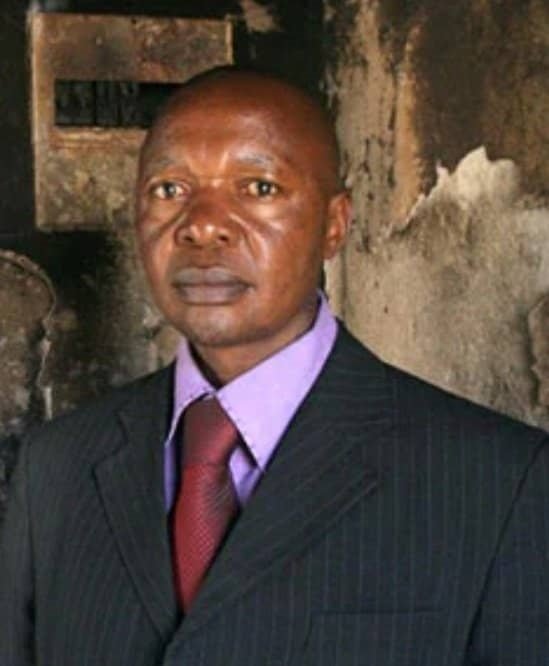
Chiroto vows to expose Chamisa
Branton Matondo
Mutare-Former Harare Mayor and President of Urban Council Association in Zimbabwe who is among a host of Zanu PF returnees has declared that he will expose all strategies and inside information that binds main opposition Citizens Coalition for Change (CCC) as the nation gears towards the harmonised 2023 elections.
Former Harare Mayor Emmanuel Chiroto made the declaration and vowed to help Zanu PF to a land slide victory while addressing Zanu PF party members in Mutare on February 17, 2023.
“It’s good to be home. We were welcomed with warm hands by our President Emmerson Mnangagwa. I will expose all the tricks that Chamisa (Nelson) plans to execute because l was once part of the opposition. Zanu PF will post a landslide victory this year,” said Chiroto.
He added that it’s pointless to continue opposing President Mnangagwa who is pushing for economic development and vision 2030 through National Development Strategy 1 (NDS1).
“I was also part of the gimmick’ Chinja Chinja’ but now l have changed from the yellow hand to the fist. I was once Mayor for Harare and l was also once a president for all mayors in Zimbabwe. It’s true we were part and parcel of the opposition but with the amount of work being done by President Emmerson Mnangagwa, why should one continue opposing?” he added.
Chiroto joins other disgruntled opposition figures like former Masvingo Urban legislator Tongai Matutu who has not rested on mission to destroy the opposition party (CCC) after defecting to Zanu PF.
Other members who have been roped in by the ruling party are Farai Nyandoro, Solomon Machingura, Simon Chidhakwa, Peter Matambo, Elison Samuriwo, Tiripai Chipondeni (formerly with NPF) and Gift Nyama.
Former MDC leader the late Morgan Tsvangirais blood brother Collins Tsvangirai was also among the latest returnees revealed during a party event held in Harare on February 10.
The event which laid on the “Kumusha/Home/Ekhaya” was graced by President Emmerson Mnangagwa who said that the ruling party was open for more returnees.
Other returnees who have been roped in are former Kwekwe Central MP Blessing Chebundo, Former ZINASU Spokesperson Tatenda Mandondo and Lilian Timveous who once held the Treasurer General post in MDC Alliance.
Chiroto’s and his family were once attacked and abducted by ZANU-PF supporters when he assumed the deputy mayor post in 2008.
Stakeholders urge sugarcane farmers to halt child labour
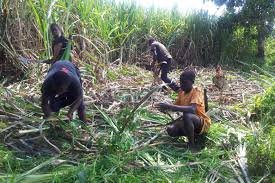
…As reluctant parents/guardians take children for piece works on farms
Beatific Gumbwanda
CHIREDZI-Sugarcane Farmer Associations recently expressed dissatisfaction with farmers who are still contracting piece work jobs to passersby rather than employing permanent workers which they believe is slowly spearheading child labour on sugarcane farms.
Some reluctant parents/guardians are accused of bringing on board children to help them work on the fields.
In an interview Commercial Sugarcane Farmers Association of Zimbabwe’s (CSFAZ) outspoken chairperson Addmore Hwarare said they have employed stiffer measures to deal with farmers who are facilitating child labour in farms as close to eight people have been covertly employed to monitor operations in Mkwasine, Hippo Valley and Triangle.
“We are working hand in glove with Tongaat Huletts in order to maintain a free child labour environment from the out grower farmers. Anyone found breaching that will never ever deliver his/her produce to the miller (Tongaat Huletts) as we will immediately report that farmer to the police.
“We used to have challenges from villagers in the surrounding communities who come with children in guise that they will be playing alone but end up being given a small portion to weed,” said Hwarare.
He also indicated that the complexity of the industry requires farmers to have permanent employees who will get used to the matrix of sugarcane production than just giving a passerby work to do on the farm.
“The sugar industry is complicated in a way that it requires skilled people to be handling day to day field work including weeding, irrigating and spraying of herbicides, so we always encourage farmers to have permanent employees on site. We also have agents, about eight of them who are moving around monitoring, in covert, on where children might be working in the fields,” he added.
Zimbabwe Sugarcane Development Association of Zimbabwe (ZSDA) chairperson Elisha Tamirepi also expressed the same sentiments that they are working flat out in encouraging farmers to desist on relying from child labour.
“We are telling them at every meeting about that. But on the same vein, there is a challenge that mothers are taking children to do piece jobs on sugarcane farms, where you find children playing with extra hoes,” said Tamirepi.
Coalition Against Child Labor in Zimbabwe (CACLAZ) National Director Pascal Masocha indicated that they are planning on engagements with farmers in order to conscientise them on the negative effects of child labour.
“We are planning on meetings to have joint awareness campaigns to conscientise farming communities on the negative effects of child labor,” said Masocha.
Retired Colonel Dennis Masomere, former chairperson of Mkwasine Sugarcane Farmers Association said they worked flat out against the practice during his time at the association to the extent of printing T-shirts as part of advocacy.
“The subject was very much alive during my time to the extent of printing T-shirts as a campaign strategy,” said Masomere.
Though many sugarcane farmers benefitted from the Land Reform Programme some decades ago, they are still failing to transform farming into a business in order to maximize yields through having permanently recognized farm workers but rather hire villagers from surrounding areas with piece works which end up spearheading child labour.
With more than 51 400 hectares of land in the Lowveld under sugarcane farming, Tongaat Hulett currently holds an approximate of 26 986 hectares and close to 15 000 permanent employees who work on its fields as well as sugarcane mills, while approximately 1 200 small holder farmers operate around 20 414 hectares and employing less than 2 000 permanent employees as they mostly rely on piece job seekers who they pay with sugar and a few dollars.
Trabablas projects empowering youth in Masvingo

Beverly Bizeki
Trabablas projects in Masvingo have been applauded for empowering youth in the province after unveiling opportunities through the various agro-based initiatives done at the farm.
Board chairperson for the project, Tariro Bwerinofa said the project which has over 40 beneficiaries is set to be the greenbelt of the province through the production of horticultural products.
“Trabablas projects private limited is a special purpose vehicle formed to administrate the 13 hectares (ha) of land given to the youth by government of Zimbabwe with six directors and 40 shareholders and beneficiaries from the province’s seven districts.
“Our vision is to be a greenbelt of Masvingo in terms of production of horticultural products like tomatoes, onions, okra, green pepper, butternuts and sugarcane enough to supply the whole province,” said Bwerinofa.

Though at infantry stage, the project has already managed to kick start some projects although they are working at parallel development with contributions from the youth.
“We are also proud that at company level together with other beneficiaries, we have been able to open up roads for accessibility, install temporary structures, land clearance and preparation, drill boreholes and start poultry projects,” added Bwerinofa.
The projects boasts of a million dollar fish project that has about 10 000 fish in their ponds yet to be harvested.
Bwerinofa also highlighted that the company is planning to set up a 5MW solar plant in liaison with Masvingo City Council to provide energy to be used for the basic commodity hub.
“We are planning to have a 5MW solar field at a mountain adjacent to our property in liaison with Masvingo City to provide energy for the basic commodity manufacturing hub to have the capacity to value add our agricultural products within the project site,” said Bwerinofa.
However, the project is still lacking capital expenditure for the much needed civil works for the desired infrastructure and financing for the youth to start individual projects as the project is yet to get proper documentation.
Bwerinofa also said there is need for capacity building in terms of knowledge on how to run agro businesses on the side of the beneficiaries.
Morocco’s economic and social transformation, a giant step towards regional and continental leadership
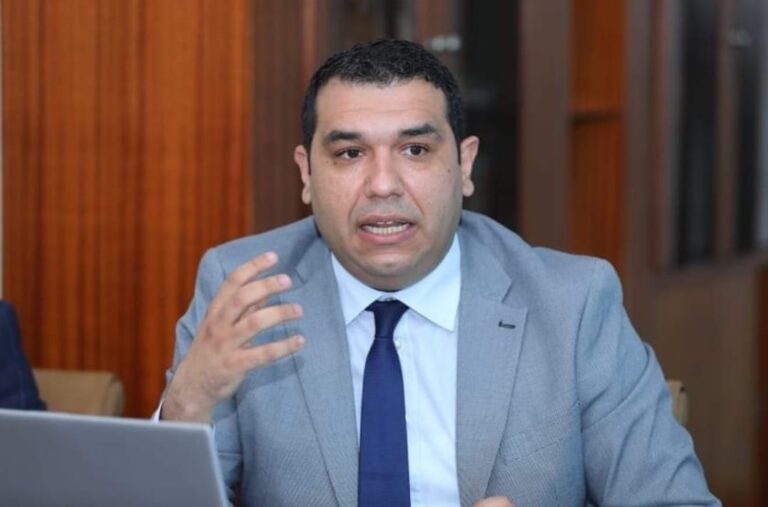
Dr. Najib SOMOUE (Financial analyst and economic expert)
The post-Covid 19 world economic order will be characterized by the need to establish a solid and sustainable international cooperation framework.
The most successful economic development strategies will be those based on co-development and investment in regional value chains to accelerate the processes of economic wealth creation and restoration of growth parameters in key sectors of each economy.
Within this framework, Morocco has launched an economic recovery strategy, focused on the investment of more than US$12.3 and the creation of the Mohamed VI fund for strategic investment which aims to contribute to the financing of major investment projects and accompany them, at national and territorial levels, in partnerships with the private sector, and contribute through sectoral or thematic funds, to the capital of small and medium-sized enterprises.
According to Law No. 76-20, this fund will be responsible for supporting investment projects in areas deemed priorities by the Fund, through pragmatic and highly technical financial engineering in terms of monitoring and due diligence. In this same dynamic, Morocco has launched one of the best continental strategies for social protection. This program includes several components namely the generalization of compulsory health insurance, family allowances during the years 2023 and 2024, expansion of the membership base of pension schemes to include about five million people who are employed and do not receive any pension by 2025, and generalization of compensation for loss of employment during the year 2025 to cover anyone with a stable job.
These initiatives give an idea of the gigantic dimensions of Morocco’s new development framework and the will of his majesty King Mohamed VI to transform the mechanisms of economic growth and human development to ensure ascension of our country in the club of emerging countries and place our economy in the top 30 by 2035.
Morocco has a strategic vision to play an important role in the dynamics of free trade area on the African continent and aims to invest and strengthen logistic platforms especially in the southern regions of the country and the development of a diversified energy supply.
These orientations will allow the country to be an economic bridge between the African, European and American dynamics and to link the Chinese Silk Road project with a market of 1.3 billion consumers. This means that Morocco would be the strategic key to the Mediterranean value chain, and this position would be strengthened by the construction of the tunnel between Europe and Tangier in the north of Morocco.
The American recognition of the Moroccanness of the Sahara and the opening of an American consulate in Dakhla (southern Morocco), are a sign of confidence on the part of the world’s largest economic power. And in this framework, the United States is committed to invest US$5 billion in the Sahara region with a possibility of funding up to US$ 500 million for each American company that aims to position itself in the Sahara dynamics. This process will have positive effects on the economic performance of the region and will allow the development of several sectors of activity such as the Smart Cars sector, the metallization of “crypto-currency”, artificial intelligence, the Internet of Things (IoT), agro-industry, solar and maritime renewable energies, the maritime industry, biotechnology and several sectors of very high added value.
And to address the economic challenges of the Sahara region, Morocco launched in 2016 the Southern Provinces Development Model, which resulted in the strengthening of the regional business climate with investments that exceeded US$ 8 billion. The projects of this development model have allowed, for example to strengthen the road logistics axis from Stockholm-Abuja via El-Guergarate, develop the national mapping of ports with the launch of the construction of the port of Dakhla-Atlantic, diversify the provision of academic and vocational training in the region and the overall transformation of economic and social performance of the southern provinces.
The traditional partners of the kingdom, especially France, must be clear in their positions in relation to the sacred causes of Morocco, including the cause of the Sahara as his majesty said “the Sahara issue is the lens through which Morocco looks at the world”. In this sense, it should be recalled that the formula for success of the economic recovery processes in European countries lie in the regional and continental economic dynamics that the Kingdom of Morocco creates, especially in terms of positioning in new African markets, the fourth industrial revolution, the global economic agenda of the post-oil era, the new regional value chains and the logistical and commercial axes Sao Paolo – Istanbul and London – Cape Town.
Bikita RDC CEO arrested over graft allegations, granted bail
TellZim Reporter
The Zimbabwe Anti-Corruption Commission (ZACC) on Tuesday arrested Bikita Rural District Council (RDC) Chief Executive Officer over allegations of corruption emanating from the purchase of seven vehicles using council funds in 2022.
Reports coming from Bikita are that Peter Chibhi spent Tuesday night (February 28) in police cells after which he made an initial court appearance in before Bikita magistrate Takura Mugabe on March 1 (today).
Magistrate Mugabe is said to have granted Chibhi ZW$ 50 000 bail, asked the accused not to interfere with State witnesses and reporting to police once a week.
ZACC also reportedly took keys to the seven vehicles which include six Toyota Hilux GD6 bought for Head of Departments (HoDs) and the seventh a Prado Land Cruiser meant for the CEO and some reports are that the vehicles are supposed to be driven to ZACC offices in Masvingo (though yet to be verified).
Registration books to the vehicles were reportedly taken by ZACC late last year during the investigations into the allegations.
The said vehicles were bought after the RDC sought for a loan and went on to purchase the vehicles without the approval or knowledge of Minister of Local Government and Public Works July Moyo.
Contacted for comment resident lobby group Bikita Residents and Ratepayers Association (BIRRA) spokesperson Mark Mutengani said they welcome the move by ZACC and feel that will ensure sanity in the area.
“We really appreciate the action by ZACC to our council and arrest the CEO over misuse of public funds. We raised the issue last year when they bought GD6 vehicles in the name of managers. We hope justice and restitution will take course at the end of the day.
“We are expecting ZACC to dig further in search of more rot in our local authority. As residents, this is just but one of the many issues we raised the flag about,” said Mutengani.
TellZim News was one of the first media outlets to report on the corruption allegations after publishing a story titled ‘Bikita residents petition authorities over poor service delivery’ on April 30, 2022 before pursuing the story with another article titled ‘Government investigates Bikita RDC car scandal on May 9, 2022.
Other follow up articles were done including ‘Local government finally visits Bikita RDC’ on July 20, 2022, Bikita RDC vehicle purchase scandal-ZACC yet to act (July 23, 2022), Bikita RDC scandal needs parliamentary debate-MP Musakwa (June 11, 2022), Bikita RDC-residents on collision course (October 10, 2022) and lastly Bikita RDC squanders US$ 36 000 on four boreholes (June 4, 2022).
Troutbeck 2023 edition gathers momentum
Branton Matondo
The much anticipated 2023 edition of Bonaqua Troutbeck African Triathlon Cup which will be held in Nyanga come the start of April 2023 has already started to take shape as more than 20 elite athletes from across the world have already registered for the competition.
Dubbed the most longevous Triathlon competition on the African continent, this year’s edition will be nothing but a double bite of celebration as Bonaqua Troutbeck African Triathlon Cup commemorates its 15th anniversary.
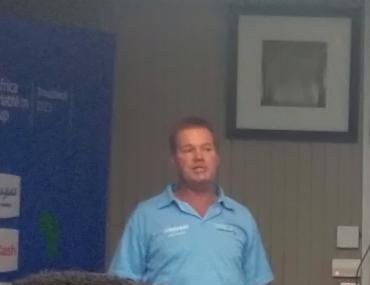
Addressing to media practitioners during the Bonaqua Troutbeck African Triathlon Union Cup Media Workshop held in Harare on February 27, Bonaqua Africa Triathlon Cup (ATU) Organiser Rick Fulton said the planning process has been intense but finally all is set for this year’s competition.
“The Bonaqua African Triathlon Cup Troutbeck 2023 will be held on the 1st of April which is just about a month away now. The planning process has been intense over the past six months. We didn’t have much of a break because the last edition was done in the later parts of 2022. This is the 15th edition of the event but we have held other Triathlon competitions before that,” said Fulton.
He added that registration is already underway with more than 20 elite athletes from across the world.
“Ladies and gentlemen, we are 30 days away from the event but we already have 25 elite athletes and 6 juniors who have already registered for the event to participate in the elite section. The 25 players come from 15 countries. The start of the event is very exciting. I think it’s going to be a big year and we will see big numbers. There is already cooperation with Triathlon South Africa and Namibian Triathlon Federation because these national bodies carry out subsequent events 2 or 3 weeks prior to Troutbeck,” added.
The launch was also graced by Zimbabwe Olympic Committee president Thabani Gonye, Triathlon Association Zimbabwe President David Ellis’s (representative) and representatives from sponsorship partners led by the main sponsor Coca Cola also represented by Faith Nehanda.
Coca Cola Franchise, Marketing Portfolio Activations Manager in Zimbabwe Faith Nehanda hailed the relations.
“We are proud of our nine-year relationship with the triathlon sport in Zimbabwe. We have sponsored the Bonaqua Africa Triathlon Cup that takes place at the Troutbeck Resort in Nyanga for three years with Schweppes water and are in the sixth year with Bonaqua, making it at the prestigious event on more than 60 percent of the times since its inception 17 years ago. We have been together for nine consecutive years. Our sponsorship and association continue to grow such that putting a monetary value may not do our partnership justice. We love the triathlete’s essence as they compete with the spirit of enthusiasm, fairness and sportsmanship,” said Nehanda.
Gonye said the competition is a great Olympic trek for Triathlon Zimbabwe.
“Triathlon is one of our 34 member federations that affiliated to Zimbabwe Olympic Committee. It is a growing sport. The sound structures in administration have made Triathlon what it is now. I have no doubt that Triathlon Zimbabwe is one of the best managed federations in the country. We already have qualified athletes for Paris 2024 and competitions like Troutbeck are a great platform to showcase talent,” said Gonye.
Bonaqua African Triathlon Cup has been used as a development pathway by athletes from across the globe. In the last Olympics held in 2021 ten male and 6 female participants who took part in the competition had been part of Troutbeck 2020.
Fulton added that Troutbeck in Nyanga has for long been the destination of choice because all the necessary and standard facilities needed to carry out such a competition are present at Troutbeck.

The event was also graced by Cimas Digital Communication and Public Relations Specialist Tapfumaneyi Mugari, African Sun Sales Manager Thamary Reppoh and representatives from Ecocash, Rooney (in absentia), and CFAO Motors.
ZANU-PF weary of clandestine ED affiliate groups
Branton Matondo
ZANU-PF National Political Commissar Dr Mike Bimha has warned the mushrooming ‘For ED’ outfits to desist from blindly creating affiliate groups without a clear party purpose.
The ‘for ED’ groups which are dotted around the country include the cyber team Varakashi for ED, Young Women for ED, Vendors for ED, Born Frees for ED, Vapostori for ED, Teachers for ED to name a few.
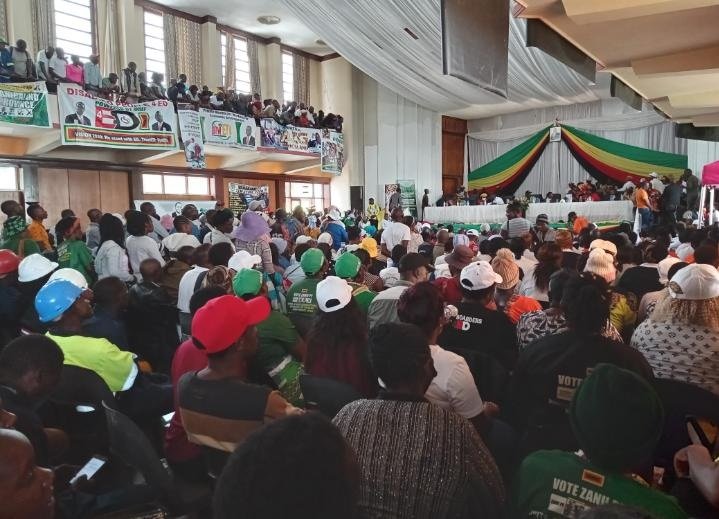
Dr Bimha told a party gathering in Mutare last Friday that ZANU-PF members should desist from gathering affiliate members with a blind eye saying the opposition is orchestrating plans on how best they can infiltrate the ruling party through the formation of furtive and covert ED affiliation groups.
“As a party we want affiliates to prosper and make money. We encourage our affiliates to come up with properly set projects so that we support you. However, party members can not all of sudden form affiliate groups by simply gathering a group of people. The opposition is aware of the impact of affiliation groups. The yellow opposition is targeting to intrude party structures by carefully placing undercover members within our affiliate groups,” said Dr Bimha.
He added that each and every affiliate group should have a set of objectives and a respective constitution so that the party knows the true nature of the groups.
“Affiliates are there to support President Emmerson Mnangagwa and the party as a whole. It’s very important that we know your plan, set objectives and the leadership of those affiliates. The opposition led by Nelson Chamisa is at work and these are some of the loop holes open for manipulation,” he added.
Chairman for Manicaland Province Mr Tawana Mukodza said that support was needed for the prosperity of affiliate groups.
“We thank the leadership for their presence. Affiliate groups present here need your support because they are inclusive of every sector.
Other affiliate groups which were part of the event were Affirmative Action Group (AAG), Men BelievED, Pastors for ED, Preachers for ED, Mahwindi for ED, Artists for ED, Teachers for ED, Cross Borders for ED, Trees for ED, Sports for ED and Vapostori for ED.
Cattle deboning syndicates give ZRP headaches
Emmanuel Chitsika
Zimbabwe Republic Police (ZRP) in Masvingo has reiterated its commitment to nab cattle rustlers who are on the prowl, rustling and deboning cattle, further reducing the national herd which has been affected by January disease.
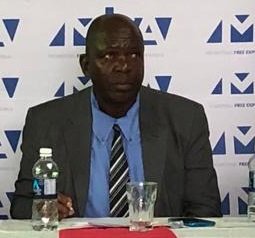
The call was made by Assistant Commissioner Fredrick Mbengwa (on behalf of Officer Commanding Masvingo Province Commissioner David Mahoya) when he addressed the media during an engagement organised by the Media Institute of Southern Africa (MISA) at Chevron hotel in Masvingo last week.
“We are really at pains looking at the devastation that has been inflicted on our national herd by diseases like January disease and Foot and Mouth and now this deboning thing. “In Masvingo province we have had reports of cattle theft in Gutu in places like Bhasera. We will arrest all those who do deboning without fear or favour. As part of ways of trying to curb the thefts, we have engaged local leadership like chiefs and village heads where we formed committees as a way of trying to find out who the perpetrators are and that is the gap we hope the committees would help close,” said Ass Com Mbengwa.
He appealed to the media to provide information if they come across any from their sources as it is helpful in the fight against crime.
“Like I have earlier said it has so far been difficult that during those wee hours of the day where not all people are allowed to move around serve for the police, there are some people who commit such crimes. We are appealing to the media because you have a lot of sources of information which can help you give us something tangible on the crime. We don’t necessarily need names of people, we just need to know where the deboning is likely or has been done and that will help lead us to the bottom of the matter.
“For us to destroy this menace, we need to destroy the market as well. It is really a cause for concern for ZRP. As leaders of the hierarchy, we sometimes run out of words in case we are asked by our superiors on issues to do with deboning.
“With deboning, it’s different from normal stock theft in the sense that it shows a well-organised criminal activity with ready markets which from reliable sources are sausage, mincemeat makers as well as meat pie processors.
“What happens is the criminals kill the beast, debone it and by early morning, the thieves would be in Harare, Bulawayo or even here in Masvingo because the destination is not yet known for now. We haven’t received any information on the destination but the above-mentioned categories of business people are likely the ones fuelling the thefts and the means of transporting are either buckets like has been the case with drug traffickers. They use the routes which we are yet to identify as law enforcement agents,” he added.
Cases of deboning (where thieves would kill beasts and strip away steak, leaving offals and bones) have been recorded in the province especially in Gutu and in Midlands province as well.