Home Blog Page 455

Village head killed by police after armed robbery

0


The late Marxwell Matembudze

Brighton Chiseva

ZAKA – Matembudze Village head Marxwell
Matembudze was shot dead by the police at his home in Ward 23, Chief Nyakunuwa
area in Zaka after he resisted arrest.

Matembudze
was among five suspected robbers who raided Lundi business centre on February
11 and robbed two businessmen, Chivi South Zanu PF parliamentary candidate
Munyaradzi Zizhou and Arnold Ncube.

The
robbers got away with close to US$20 000 and cell phones.

Masvingo
Provincial Police Spokesperson Inspector Kudakwashe Dhewa confirmed the incident
and said it was unfortunate that one of the suspects in the Lundi robbery had resisted
lawful police intentions to arrest him.

“One
suspect was shot and died after he tried to attack the police who had gone to
arrest him. A number of electrical gadgets including cell phones, laptops and
television sets were recovered at his home,” said Dhewa.

Police
sources said on February 11, at 05:00hrs in the morning, police manning a
roadblock at 167 km peg along Masvingo-Beitbridge Road stopped a truck for
regular search.

“The
driver of the truck disembarked from the truck for the police to search but
four unidentified males jumped out and ran away. The police gave chase and one
of them dropped a satchel which was then picked up by the police,” said the
source

On
searching the bag, the police found a lockdown travel exemption letter which
bore the deceased’s name among other documents that indicated he was part of a
mining syndicate.

On
February 13 the police established that Matembudze was from Zaka and
investigations led them to his home around 21:00 hrs.

“They
knocked and identified themselves, then the deceased’s aunt identified as
Chiedza Matembudze came out and talked to the police during which Matembudze is
said to have came out and charged towards the police. They fired some warning
shots but he continued and this prompted the police to shoot him.

He
was taken to Msiso Mission Hospital where he was pronounced dead upon arrival.

A
number of people in his area are celebrating his death as he is said to have
been very troublesome and his subjects feared him.

“He
was a bully even during his childhood. He was not a registered village head but
he fought with his relatives over the village leadership until the registered
village head gave up and left him to do as he pleased,” said one villager

Another
one said the deceased was a known criminal and thief who used to tell people
that he was a thief but a sophisticated one who never stole from local
villagers as they did not have anything he prized.

Matembudze
died barely a week after his first wife had tried to commit suicide by taking
an unknown pesticide.

“He
had accused his wife of killing his love child and the wife threatened to kill
herself. Instead of restraining her, he gave her some rat poison to kill
herself. She was then taken to Msiso Hospital where she later recovered and
brought back home.


The vaccine is here but…

0


Happy
Valentines to all those in love and those vasiri murudo like Mapombi tongoti
pamberi nemusangano unotonga kkkkk. The scarf, t-shirt and cap will carry you
through the day. But ideology dzinomboitwa neZanu PF dzakapenga. There is this
song with lyrics which goes nyangwe nhamo ikarova, nzara ikaruma, dhuku yangu
neskipper zvichandiyambutsa. This is the worst level of brainwashing. How can
your stupid t-shirt, scarf and dhuku bring food on the table? I know the youth
these days are going by the mantra bvuma kupusa but kumwe kupusiswa hakuzodi
kusvika on this level. This is the month of love but to us avid political
followers we observe a moment of silence for the late veteran opposition
leader, a hero in his own right, Dr Morgan Richard Tsvangirai.

I know
some may say he was a fake doctor but who cares kana madgree achingopihwa
pachena. Vana Dr Killer Zivhu tinawo wani nhasi but unongoona some of their
arguments kuti dehenya rizere mhepo. Dr Stop it kkkkk. Where is Grace Mugabe?
Dr VP Constantino Chiwenga kkkkk, munoti dzakaita doctorate here dziya. I do
not want to say much about Dr Chiwenga because I will be accused of talking too
much but we all know the truth kuti ndere kupihwa doctorate riya. Dr Tsvangirai
was the only doctor pavarume ava and unfortunately we lost him on Valentine’s
Day.  The mountain fell and to all those
who wear red on February 14, I hope you will be doing it for Save because izvi
zvekupfekera maslay queen hazvina production. We hear Tsvangirai succumbed to
colon cancer but what we do not know is where the cancer came from. Your guess
is as good as mine. Rest in Power Save. The party you left is in shambles. You
were the only one with a vision in your MDC-T but the boys who took over are
very greedy and each one of them believes to have a vision which is why we have
all these divisions. If more than one person has a vision there is bound to be
division which is where we are with Mwonzora and Chamisa.

Ladies
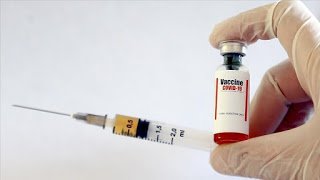
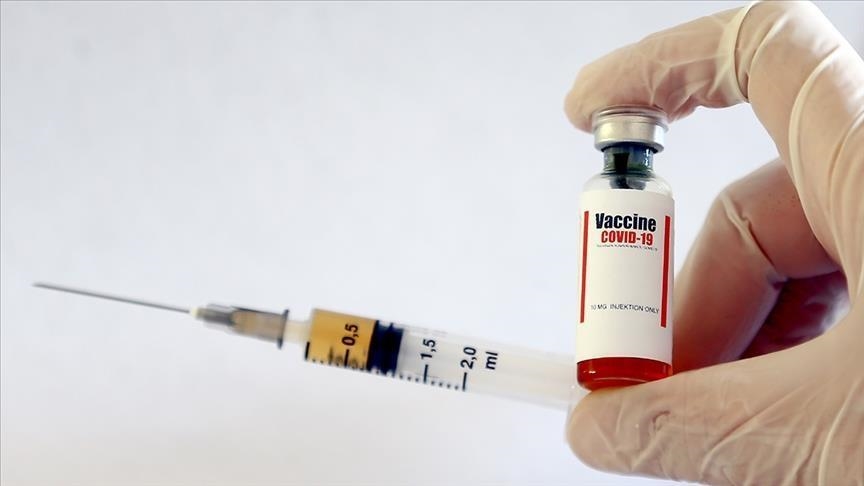
and gentlemen I am happy to announce that the Covid-19 vaccine is finally here.
The vaccine from our all-weather friends, the Chinese. I do not know what the
Chinese want with us to donate the vaccine but we thank them. I hear a lot of
people saying we do not want the China vaccine. Who can blame them because the
Chinese are the reason why the whole world is needing to be vaccinated? I
thought our Finance minister Mthuli Ncube said they have a US$100 million war
chest against Covid-19 but all we are seeing are donations. Saka mari yedu
yacho yamakaisa on budget ichashandeyi nhai varume? Why are we relying on
handouts as if we do not have money to procure our own vaccines? Is the Chinese
vaccine for the China virus the best for Zimbabwe? If you look at the countries
receiving the donations of the vaccines from the Chinese unoona kuti hapana
zviripo. Twunyika twusina nemusoro wese. And I doubt no country on the
donations list has the capacity to test the efficacy of the Chinese vaccine.

Nhai
baba Mnangagwa, how safe are the vaccines from China? Did you test them to see
if they are compatible with our people? How effective is the vaccine? We cannot
just wake up to a Boeing 747 loaded with vaccines coming from China yet no one
has tested the efficacy of the vaccine. Munoda kuita nzwira pamuviri tsvimbo
yarova dapi here with the vaccine. Oppah Muchinguri huya pano mwana wamai. I
want you to tell them the truth that this Chinese vaccine should never be
trusted. We have our US$100 million, at least that’s what we have been told, so
let us use it to buy our own vaccine. Get samples of the vaccines and test them
to see if they are compatible with our variant. Zanu PF is trying to gamble
with our health. We were ok with zumbani, mufandichimuka, malemon etc etc. we
don’t need science to tell us that Chinese vaccine is better than what we have
been doing. Let us use our traditional methods to deal with this Covid-19
thing.

If you
insist on wanting your Chinese vaccine please bayanai mega kumusoro ikoko. Or
better yet, start with all Zanu PF supporters. If something goes wrong at least
tinochema tine tariro. ED and his deputies, Mthuli, PV Sibanda, Chimonyo, Elson
Moyo, Matanga, Mudha Ncube, Temba Mliswa, Auxilia, July Moyo and all those who
make our lives miserable must publicly take the vaccine so that we see for
ourselves if we are taking the same vaccine. These guys are too clever, the may
give us the Chinese vaccine iwo wachibayana zvavo dzekuAmerica. Pasi neChinese
vaccine until you show us clinical tests which shows us the efficacy rate. Why
should we take a vaccine that has a 60 percent efficacy rate? It just does not
make any sense at all. What guarantee do we have that once you administer those
Chinese jabs we would be safe from the virus? The problem we have with the guys
on the top is that they want donations too much. If someone says I am coming to
donate, they all jump from their chairs but nobody questions the motive behind.
No donation is free let Mapombi school you a little bit.

Every
donation has a price. You may not see the price in the immediate but just know
you will pay. What does China want from Zimbabwe anyway? What are we giving to
the Chinese that makes them want to donate vaccine yavo iyoyo? Hama dzangu
Mapombi is not saying do not take the vaccine no, all I am saying is that I
smell a rate here. We want any vaccine made out of China and Russia. Mapombi
speaks for millions of other Zimbabweans out there. The good thing is that that
the vaccine will be administered on voluntary basis. We will not let the
Chinese colonise our DNA. They are colonizing our economy vachidya zvawo with
their friends vana ED but vaccine yenyu hatitori. Over my dead body ndinopika
nasekuru vangu vari kwaChirimudombo.

We pray
to God that our leaders open their eyes and see what is right in front of their
eyes. Hatirambi donations but zvimwe zvacho let us not just accept tisina
kumboita our own investigations. If people think kuti Mapombi is yep yepping
too much please tell me which other country ine musoro received a donation of
the vaccines from China. China has a population almost the size of Africa and
they haven’t vaccinated everyone yet they want to donate to us their vaccine. We
are doing pretty ok with our traditional methods. These vaccines are just a way
to make money and very soon you will hear excuses that the vaccines were rushed
when the same people who have been vaccinated start getting infected again.
Remember Mapombi’s words.

Ask
yourself this, if Covid-19 requires us to wash our hands regularly, social
distance and wear face masks, mapenzi mangani amakanzwa akabatwa neCovid-19
yacho. Mapenzi don’t wear face masks, they eat from the bins and don’t wash
their hands but they survive Covid-19 and other diseases. Can someone balance
this equation? I have said enough regai zvangu ndinokanga maputi angu for lunch.
Before I sign off I want to congratulate Home Affairs deputy minister Ruth
Maboyi. I won’t say much about this woman but heeeey ED must be serious kkkkk.
Mboko imboko. 


Masvingo ZPCS Commander Ndanga promoted

0


Deputy Commissioner General Social Ndanga

Maryline Katenjele

President Emmerson
Mnangagwa has promoted the Zimbabwe Prisons and Correctional Services (ZPCS)
Masvingo Provincial Commanding Officer, Social Ndanga from the rank of Senior
Assistant Commissioner to Deputy Commissioner General, TellZim has learnt.

Ndanga’s new rank,
which took effect on February 08, 2021, means he will be soon be relocating to
Harare where he will be based permanently, deputizing the new ZPCS Commissioner
General Moses Chihobvu.

The President promoted
Ndanga in terms of the Section 9 (1) b of the Prisons Act (Chapter 7:11).

In recent years, Deputy
Commissioner General Ndanga worked hard to make a success of the annually-held
Commissioner General’s Goodwill Trust Fund; attracting such corporate partners
as Bikita Minerals, Nyaradzo Group, Regency Hotels, Emras , FBC Bank, FMC and
Doves Funeral Services.

He has also been
praised for working to improve correctional services component of the province’s
penitentiary system as a way of rehabilitating offenders and reducing the
number of repeat offender.


Robbers raid Zanu PF Chivi South primaries winner’s home

0


…‘one
suspect shot dead in Zaka’

Upenyu Chaota

Zanu PF
Chivi South parliamentary primary elections winner Munyaradzi Zizhou’s home in
Lundi was last week raided by five armed robbers who got away with cash,
cellphones and a Toyota double cab car.

The
robbery, which happened in the early morning hours of Thursday, February 11 at
around 0100 hours, is among the many armed robbery cases being reported in the
province and country at large.

Zizhou,
who was at home with his wife, told TellZim News that his family was safe and
the robbers only demanded cash, cellphones and keys to his car.

“It
happened so fast. I was at home sleeping at around 0100hours when I heard
people trying to gain entry into my house.

“They
were banging the door using a crow hammer and they managed to gain entry. They
were five and two of them were armed with pistols.

“They
pointed their guns at me and demanded cash. I did not have much money in the
house. They also demanded the keys to my car and took my cellphone together
with my wife’s,” said Zhizhou.

Zizhou
said the robbers ordered him to take them to one Ncube, who is a fuel dealer in
Rutenga, where they forced him to knock at the door.

“They
took about US$2 000 from me and marched me at gun point to my associate Ncube
where they ordered me to knock at the door.

“Ncube
opened the door and the robbers pushed me inside taking us hostage before
demanding cash. They took about US$17 000 from Ncube before marching me back to
my house where they took my truck and drove off.

“We
reported the matter to the police at Rutenga,” said Zizhou.

 Zizhou’s car was later found dumped at Rutenga
business centre.

Masvingo
provincial police spokesperson Inspector Kudakwashe Dhewa could not be drawn
into comment as his mobile went unanswered but police sources say three
suspects were already in custody and one was shot dead in Zaka on Saturday
night.

The
police are said to have tracked one of the suspect, Maxwell Matembudze, to Zaka
where they spend three days hunting him down until the stakeout turned fatal
when the suspect was shot dead when he attempted to run away.

Zizhou
will represent Zanu PF in the Chivi South parliamentary by-elections once the
blanket ban on all electoral process due to Covid-19 is lifted.


Covid-19 and challenges to education

From Left: Obert Masaraure,Kudakwashe Kumbirai, Vongai Zimudzi, Tapiwa Takavarasha

…is
E-Learning elitist?

Clayton
Shereni

Access
to education is a fundamental human right but this has
somewhat been compromised by the Covid-19 pandemic which has forced schools to
close for over 10 months now, with
examination classes sitting under stringent conditions.

On numerous occasions, government tried to reopen
schools, colleges and universities but this backfired after Covid-19 positive
cases spiked.

This forced authorities at various educational
institutions to explore digital solutions to the delivery of syllabi to try and
cover the gap.

Exam classes were allowed to sit physically as
government expected a return to normal, or possibly the end of the pandemic in early
2021.

In the past, soldiers were deployed to teach in
some schools after teachers embarked on a protracted strike in 2008. This
resulted in a high failure rate, forcing government to allow even those that
failed to attain at least five Ordinary Level passes to proceed to Advanced
Level under the condition that they would supplement while doing their ‘A’
levels simultaneously.

The repercussions were to be seen in 2010 when
the lowest ‘A’ level pass rate of 14.44 percentwas recorded, as if to remind
authorities that there are no shortcuts in times of crisis.

Pupils who sit for their ‘O’level examinations
in times of crisis and their ‘A’ levels during under friendlier conditions will
always experience the contradictions.

Kudakwashe Kumbirai, a pupil who sat for his ‘A’
level examinations this year, said he did not enjoy the exam experience.

“My‘O’ level exam experience was a bit perfect
but that was not the case when I sat for my ‘A’ level exams due to insufficient
preparations. I feel going into tertiary education will present its own
challenges yet again, and many students are not ready for it,” said Kumbirai.

Recently, the Zimbabwe School Examinations
Council (Zimsec) released the 2020 grade seven examination results showing that
a very low 37.11 percent had been achieved; some 9.79 percent shy of the 46.9
percent recorded in 2019.

Government, in partnership with United Nations
International Children’s Emergency Fund (Unicef), introduced primary school
radio programs in June 2020 but the effects of this has not been fully tested
amid claims that listenership has dropped due to youths’ preoccupation with
social media.

In what seemed like a repeat of the 2008
educational crisis, 88 primary schools countrywide recorded a zero percent pass
rate and schools in rural areas were the most affected.

Rural
education neglected

In an interview with TellZim, Amalgamated Rural
Teachers Union of Zimbabwe (Artuz) president Obert Masaraure attributed the
dismal 2020 grade seven results to many factors including the ‘neglect of rural
education’.

“Artuz blames government for imposing examinations
on unprepared learners who missed out on receiving formal instruction because
of the Covid-19 disruptions.The examination board was also ill prepared for the
exams and failed to properly handle the examination process. The Zimsec chaos
might have contributed to the poor pass rate.

“However rural education is suffering from
years of neglect, poor planning and mismanagement. The infrastructure is
inadequate and dilapidated. Most schools have no laboratories, libraries,
internet connection, electricity and basic ICT gadgets,” said Masaraure.

The union is advocating for a rural education
fund aimed at improving educational facilities in the rural areas.

Masaraure called on the government to improve
the welfare of rural teachers for the betterment of results in these schools.

“We propose an education equalization fund for
infrastructure development in rural schools, rural retention and attraction
allowance to attract and retain best teachers in rural schools. In the
immediate, we are mobilizing citizens to draft an education charter for
Zimbabwe and this is under our #SaveOurEducationZw campaign,”Masaraure said.

Human rights activist and Section 20 team
leader Esther Zimudzi criticised the apathetic public attitude to matters of
social accountability, saying citizens have to demand better from authorities.

“The way our society is operating currently is
that people do not question authorities when they see red flags. I feel much
pity for students who are now victims of their parents’ inaction when the
Ministry of Primary and Secondary Education in conjunction with Zimsec
scheduled public exams despite the fact that students had less than 10 percent
interface with teachers. The recent published Grade 7 results are enough to predict
the remaining two ‘O’ and ‘A’level classes likewise. 

“Prospects of a brighter future can come if
students retake the public exams. We should be cognizant of the fact that not
all would do so mainly because of financial constraints and life will take its
course for the unfortunate,” said Zimudzi.

E-Learning
and its challenges

Commenting on the issue of E-Learning being
pursued by tertiary institutions, Zimudzi said authorities are being
irresponsible and going against the dictates of the constitution.

“It just proves how irresponsible tertiary
institutions leaders are to consider E-Learning and online exams in our present
circumstances as a country with expensive internet access, poor connectivity
and electricity shortages. Section 27 of the national constitution mandates
that all students be given a fair and equal opportunity to education, E-Learning
alone is elitist and exclusive,” said Zimudzi.

University students have had their own
disappointments in 2020 as they have been grossly affected by lack of face to
face learning but have been conducting ‘eLearning’.

Universities across the country have been
conducting lessons online and some were using the Google classroom which has
caused all sorts of problems for lecturers and students due to its ‘complex’
nurture.

Last year, universities had to force final year
students to seat for examinations although they had not conducted proper face
to face lectures, with E-Learning processes presenting their own challenges.

Many institutions of tertiary learning are blamed
for producing ‘half-baked’ graduates even during normal times, and it appears
more of the half-baked graduates are coming, with the current crop of final
year students faced with a possible uphill task of online exams.

Great Zimbabwe University (GZU) has recently
conducted a mock online exam to gauge preparedness for the possible online
exams in case the lockdown gets extended beyond February 15, 2021.

GZU Student Representative Council (SRC) president
Tapiwa Takavarasha said more had to be done before making online learning the
main platform for delivery of course materials for the satisfaction of both
parties.

“If the lecturers are not able to use Google
classrooms, how then do we expect the generality of the students to cope up with
the online learning? Online learning is definitely the way to go but we need
another alternative besides Google classroom so that students, lecturers and
the administrative staff are comfortable

“I know quality has been affected by E-Learning
since the majority faces access challenges. We will wait and see how results of
the mock exams will pay out,” said Takavarasha.

Covid-19 taking toll on mental well-being, ZCC research finds


File Picture: ZCC logo

…people
resorting to illegalities to cope with pressure of the pandemic


TellZim Reporter

A study conducted by
the Zimbabwe Council of Churches into the impact of Covid-19 and the resultant
lockdown on citizens has shown that many people are suffering stress and
depression as a result of the loss of livelihoods.

The research findings
document is titled, ‘The Impact of Covid-19 in Zimbabwe: Tracking the Lived
Experiences, Adaptive and Innovative Strategies Adopted by Individuals and
Groups’.

“The study found that a
large number of people were being negatively affected mentally due to the various
effects of (the) Covid-19 pandemic. There was notably a lot of distress and
mental anguish among citizens as everyone sought to negotiate the pressures
that the pandemic brought about,” the reports asserts.

The organization also
claims that some 804 research participants who took part in an online survey suffered
stress while 272 others suffered depression, with the other 62 showing suicidal
tendencies.

“The crumbling of
household economies, loss of means of livelihoods, restricted movements and
limited interactions with others exacerbated mental pressures and further
became a source of some of the vices such as increased gender-based violence
(GBV) and substance abuse; violation of children’s rights through child labour;
rise in girl child’s vulnerabilities and rise in juvenile delinquencies,” the
report states.

How
are people attempting to cope?

The report asserts that
people have devised several ways of coming to terms with the psychological,
economic and social impact of the pandemic.

Some of the ways are
smoking, drinking, and sleeping more than usual; walking local distances and
reducing the number of meals they have per day; and getting intimate more than
usual.

“The majority of the
respondents spent time at home during the Covid-19 era mainly in compliance
with the Covid-19 control measures according to the FGDS (Focus Group
Discussions) and KIIs (Key Informant Interviews) participants. In all the FGDs
held, respondents indicated that they had reduced daily meals from three to one
or two.

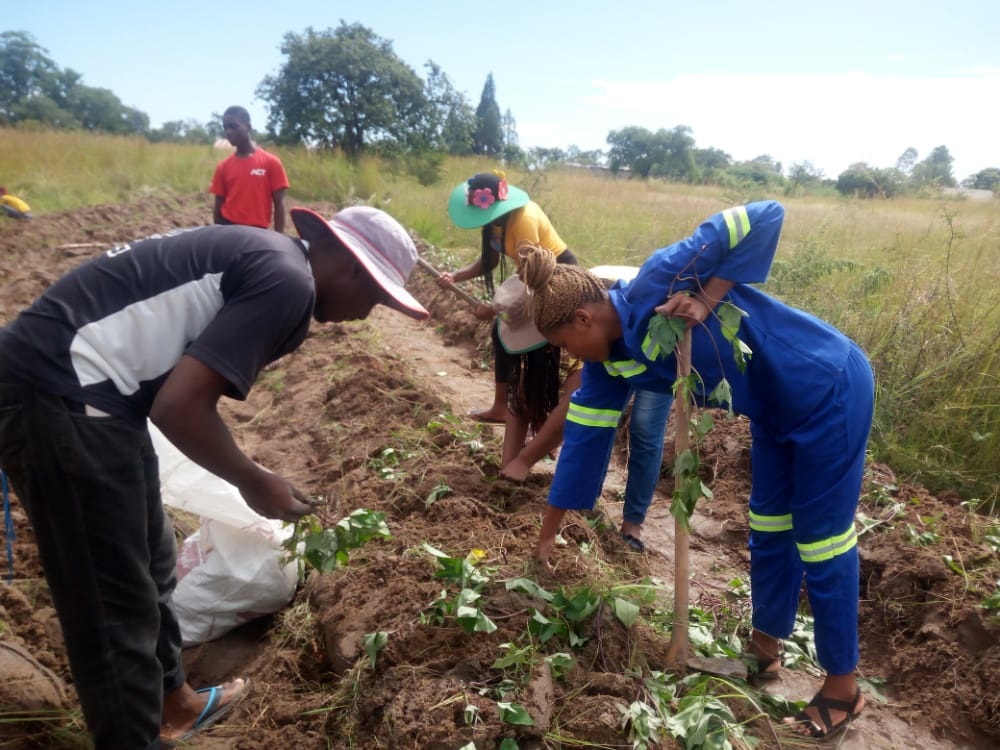
“Home-based projects
such as gardening, brick moulding, poultry and others we adopted by pastors,
teachers and students as an adaptation measure in the crisis context. Risky and
illegal adaptive measures were also adopted: rise in illegal mining, illegal
transport operations, flouting of curfew regulations, illegal brewing and
consumption of substances as well as illegal border crossing are some of the
illegal activities that were adopted,” the finding read.

Life
after Covid-19

The greatest number of
respondents (48 percent), according to the findings, looked to the future with
hope while 38 percent expressed mixed feeling about what the future. Some 14
percent of the respondents perceived the future to be bleak.

ZCC goes not to
recommend a ‘Leave No One Behind’ policy by which the psychological, economic
and social needs of all citizens can be catered for.

“All adopted response
mechanisms should ensure that all citizens are catered for. Policies and
actions should be inclusive in order to address the specific needs of PWDs
(People With Disabilities, youths refugees, minority groups, the urban poor and
rural communities,” the reports states.

It also recommends a
strong anti-corruption stance in order to restore in Covid-19 containment
measures that are being implemented.

“The government should
activate a process of accountability on that part of all players who were
involved in Covid-19 activities. An audit of all Covid-19 donations should be
done and outcomes be published,” it further reads.

Topflight football resumption: The unanswered questions

0
File picture: Highlanders vs CAPS-United

Clayton Shereni

Football
clubs in the country have gone for more than a year without kicking the ball,
save for reigning Premier Soccer League (PSL) champions FC Platinum who are
taking part in continental competitions.

As
the curve of the second wave of Covid-19 flattens, PSL has since written to
topflight clubs proposing a four to five week bio bubble tourney starting in
March.

While
other countries which have been severely affected by
Covid-19 have their top division teams playing, Zimbabwean football leaders
have been playing a blame game with government for putting tough lockdown
regulations although these regulations are almost similar to those in some
African countries where football activities are underway. 

Reports
allege that football bosses had been cornered to resume as Fifa sanctions were
reportedly hoovering over local football if at least the topflight league fails
to resume by April this year.

Fans
and other stakeholders have in recent weeks reignited their calls for a return
of football saying there is nothing special in Zimbabwe’s case since it is one
of the least affected nations.

However,
PSL and Zimbabwe Football Association (Zifa) seems to have bowed down to
pressure and has proposed a bio bubble concept for premier league teams will
take form of group stages, semifinals and 
a final match.

The
proposed concept will see the 18 teams being pitted in four random groups, go
in ‘safe places’, play a mini league for a period of four to five weeks and
teams will be located in Harare, Zvishavane, Mutare/Mhondoro Ngezi and
Bulawayo.

However,
there are unanswered over this proposed round robin bio bubble concept and
these are some of the pertinent questions which should be answered to avoid a
disaster and blame game among authorities.

Is Zifa willing to part with US$
100 000 administrative funds?

The
FA has been at the centre of countless controversies when it comes to the financial
side of football, failing transparency tests especially on the Fifa Covid-19
grant which was advanced to them to cushion clubs against the economic effects
of Covid-19.

Zifa
has claimed bankruptcy in some instances and has been involved in nasty fights
with clubs over the disbursement of the US$1 million Fifa grant which they
converted to local currency although they received the grant in hard currency.

However,
Zifa has not been clear on the exact amount which they disbursed and what was
left in their coffers.

In
the first draft of the proposed bio bubble concept, PSL plans to approach the
local football governing body to fork out US$100 000 towards ‘administrative
costs’ of football in the country.  

These
costs include match officials salaries, television rights and stadia
inspections to mention but a few.

It
however, remains an unanswered question whether the FA will just pump in the
required money without trying to dodge the task at hand.

Do clubs have funding
to sustain accommodation and player allowances?

According
to the proposal, clubs are expected to pay a total of US$2500 towards
registration, find own accommodation and pay player salaries.

Even
if all clubs manage to pay the registration or affiliation fee, accommodation
fees remain an uphill task for many clubs even the ones which are bankrolled by
companies.

Ngezi
Platinum, FC Platinum, Manica Diamonds, Triangle and Chicken Inn FC may be able
to stand toe to toe since they have a firm financial backing but surely this
will be bitter pill to swallow for other clubs.

Fans
won’t be allowed in the stadia and this surely is a major setback for all clubs
especially those without a firm financial backing. Clubs will struggle to cater
for their expenses without gate takings.

For
winners of the league, a sponsorship package will be availed by Delta Beverages
but the exact amount is yet to be known and is likely to be low than the
projected expenses of any club hence clubs operating at a loss.

Players
will also surely demand more and what they will demand and get still remains a
mystery since inflation has soared and the economy being on a life support
system is also another issue which might cause a standoff between players and
management.

Since
players haven’t been receiving little or close to nothing from clubs since the
inception of the lockdown, they might want to bargain and come with big demands
so that they cover for the losses of last year.

Drama
unfolded in the CAPS United camp last year when players were involved in a
brawl with club vice president Nhamo Tutisani over salaries and whether this
won’t be repeated at other clubs still remains unanswered. 

Will all clubs adhere
to the proposed bio bubble concept?

Due
to accommodation costs, it is a cause for concern whether all clubs will surely
be in Covid-19 free places or they will find alternatives for the duration of
the bio bubble.

In
a normal season some financially constrained clubs always travel on Matchdays
to minimize accommodation costs.

Clubs
owned by government institutions especially security forces sides usually sleep
at barracks/camp avoiding hefty charges of lodges and hotels.

Will
this not be the same order in this planned mini league which seems not binding
for all the 18 clubs to be unconditionally involved?

With
the pandemic being the one causing all sorts of problems, having clubs stay at
these usually packed camps should be avoided as to elude a spread of the virus.

The
adherence of clubs to the bio bubble concept is also another unanswered
question whether PSL will have the guts to read a riot act to clubs who might
propose such accommodation options?

Grandson attempts suicide after granny reports him for violating lockdown

0


File picture

…youth pleads hunger as he opens
barber at home


Livingstone
Mtetwa

CHIPINGE
A 20-year-old man recently tried to kill himself by swallowing rate poison after his 72-year-old granny reported
him to the police for violating Covid-19 national lockdown regulations and
exposing the whole family to the coronavirus.

Egness Manyundwa disagreed with her grandson Sydney
Kwazvo after he began to run a barbershop at home which the granny felt would
increase the family’s chances of getting infected by the virus.

Manyundwa did not want Kwazvo to run the home barber
shop as it would see many people coming to the homestead haircuts.

Manyundwa
is said to have contacted the police to come and arrest his grandson for
breaching Covid-19 regulations by gathering many people at their homestead therefore
risking the whole family to the deadly virus.

Liberty,
a younger brother to Sydney, confirmed the incident and said his brother had
many arguments with their grandmother for quite some time.

“Our
brother had opened a barbershop at Manyundwa’s place of residence. However, our
grandmother reported him to the authorities and he was arrested for violating
lockdown regulations,” said Liberty.

Liberty
accused Manyundwa of abuse, saying she had since stopped giving them food and had
ordered them to fend for themselves.

“Our
parents died and we came to stay with our grandmother. Our grandmother treated
us like animals and stopped giving us food.

“We
are three in our family and Sydney tried by all means to provide food for us.
At one moment he started selling firewood but our grandmother stopped the
project.

“Sydney
then started a barbershop at home and again out grandmother was against the
idea. She said no people should come at home during the Covid-19 period because
it exposed us to danger. We agree with that but we have to survive since she
does not give us food,” said Liberty.

Sydney
is said to disobeyed his grandmother and proceeded with his project, forcing
the old granny to call the police on him.

After
being released from police custody on February 10, Sydney is said to have
consumed rate poison in a bid to end his life.

It
is alleged that around15:00hrs, Sydney wrote a suicidal text message to a
family friend who then alerted his younger brothers. After failing to get a
hold of him, a search team of six friends was quickly mobilized and they found
Sydney at Gaza Stadium foaming on the mouth.

He was quickly rushed to Chipinge General Hospital
for medical attention. 

Community leads the way in Mudzara School construction

0
Leading by example : Zaka West MP Ophias Murambiwa(with a cap) helps to mix mortar for construction during his visit to Mudzara Sec School site

 
Agnes Madechihwe

ZAKA –
Work has already started at Mudzara Secondary School site at Chirambabango in
Mudzara Village under Chief Nyakunhuwa in Zaka West where the community is
working together to expand access to education.

The
community has mobilized its own resources and is using other resources from the
Member of Parliament (MP) through  
Constituency Development Fund (CDF)

The
site has been cleared, with the foundation and footing of the first block
having been completed with the assistance of the community which is providing free
labor.

The
School Development Committee (SDC) Chairperson Joel Makwinye said he was
pleased by the level of buy-in from the local community as well as the team
work at play.

“Work
has started and we now want to raise the box. If all the pledges that have been
made are fulfilled, we will be able to complete the first block soon,” said
Makwinye.

Zaka
West MP Ophias Murambiwa said he was happy with the dedication the local
community showed when he visited the site this week to assess progress.

“I
am proud of the Mudzara community. The builders are working voluntarily and the
community should make sure that when paying projects come, these guys should be
put first,” said Murambiwa.

Committee
is mobilizing resources from well-wishers from the locality and abroad. The
process to open a bank account and an EcoCash Biller Code for monetary donations
are in progress.

During
the ground-breaking ceremony, a number of pledges were done by Zanu PF MPs and councillors
who are in support of their colleague Murambiwa.

The
Deputy Minister of Finance and Economic Development, who is also Zaka East MP
Clemence Chiduwa pledged 100 bags of cement while Chiredzi West MP Farai
Musikavanhu pledged to bear the roofing costs of the first classroom block.

Masvingo
South MP Claudious Maronge and his Zaka North counterpart Robson Mavhenyengwa
donated 10 bags of cement each.

Zaka
district Ward 13 Councillor Manfred Mada pledged 10 bags while Masvingo
district Ward 5 Councillor Aleta Makomeke and Chivi Central MP Ephraim
Gwanongodza pledged five bags of cement each.


The
ground-breaking ceremony for the school was done in August last year with the Minister
of State for Provincial Affairs Ezra Chadzamira.

Chadzamira
ordered all those responsible for the construction see to it that the school is
ready for the first school term of year 2021 but nothing moved with speed as
had been expected.

“If
anybody from Education hasn’t done what they should do in terms of this school,
they should do the job now,” said Chadzamira.

He
ordered the responsible authority, Zaka Rural District Council to sink two
boreholes as a matter of urgency so that the water could be used during
construction.

Zaka
RDC Chief Executive officer (CEO) David Majaura said council will help in any
way possible to make the project a success.

“We
support the community projects and we will chip in and help when we get
resources. We will have to make sure that we provide water among other things
as we have been doing on other schools. The project has a budget on the 2021
devolution funds and I am sure that will go a long way,” said Majaura.

Covid-19— The social distancing problem


TellZim Reporter

As the
world grapples to contain the spread of the coronavirus which has infected 106
125 682 people and killed 2 320 497 in 223 countries as at February 9, 2021,
various measures have been put in place to curb the spread of the virus among
them social distancing, masking up, lockdown and hand sanitizing.

Lockdown
has been adopted by many countries in the world albeit with far reaching
economic consequences with most governments worrying mostly about the safety of
its people over the economy.

The
lockdown levels varied with different countries with some imposing a hard
lockdown where only essential service providers would be allowed to work while
the rest of the economy was shut down.

The
World Health Organisation (WHO) came up with guidelines which would be adopted
by countries to curb the spread of the deadly virus but to African countries and
in particular Zimbabwe, the most difficult guideline which has proven difficult
if not impossible to enforce and or observe has been social distancing.

The
Center for Diseases Control and Prevention (CDC) defines social distancing also
called physical distancing as keeping a safe space between yourself and other
people who are not from your household.

To
practice social or physical distancing, one must stay at least 2 meters (about
2 arm lengths) from other people who are not from your household in both indoor
and outdoor spaces.

Social
distancing should be practiced in combination with other
everyday preventive
actions
to reduce the spread of COVID-19, including wearing masks,
avoiding touching your face with unwashed hands, and frequently washing your
hands with soap and water for at least 20 seconds.

COVID-19
spreads mainly among people who are in close contact for a prolonged period.
Spread happens when an infected person coughs, sneezes, or talks, and droplets
from their mouth or nose are launched into the air and land in the mouths or
noses of people nearby.

The
droplets can also be inhaled into the lungs. Recent studies indicate that
people who are infected but do not have symptoms likely also play a role in the
spread of COVID-19.

Since
people can spread the virus before they know they are sick, it is important to
stay at least 2 meters away from others when possible, even if you—or they—do
not have any symptoms.

Social
distancing is especially important for
people who are at
higher risk
 for severe illness from COVID-19.

If one
is sick with COVID-19, have
symptoms consistent
with COVID-19
, or have been in close contact with someone who
has COVID-19, it is important to stay home and away from other people
until it is safe to
be around others
.

COVID-19
can live for hours or days on a surface, depending on factors such as sunlight,
humidity, and the type of surface. It may be possible that a person can get
COVID-19 by touching a surface or object that has the virus on it and then
touching their own mouth, nose, or eyes.

However,
this is not thought to be the main way the virus spreads. Social distancing
helps limit opportunities to come in contact with contaminated surfaces and
infected people outside the home.

Although
the risk of severe illness may be different for everyone, anyone can get and
spread COVID-19. Everyone has a role to play in slowing the spread and
protecting themselves, their family, and their community.

In
addition to practicing
everyday steps to
prevent COVID-19
, keeping space between you and others is one of
the best tools we have to avoid being exposed to this virus and slowing its
spread in communities.

Zimbabwe
opened its borders ahead of the festive season last year and the move, though
noble, proved to be catastrophic as the nation recorded a surge in positive
cases and deaths after the festive season which plunged the country back into
another hard lockdown.

The
reason behind the surge in positive cases and deaths has been attributed to
complacency. Observing social distancing in a highly social community has
failed.

The
shops where people buy their groceries have failed to adhere to social
distancing because there is no space for people to queue at till points.

The
situation at banks in the country is a cause of concern as people queue to
access cash. Social distancing at these banks is simply not practical. People
are yet to comprehend the severity of COVID-19 hence the social distancing problem.

Zimbabwe
has only allowed to commuting public to use the state owned enterprise Zupco to
ferry people to and from work but little is done on social distancing as people
are packed in the busses and commuter omnibuses.

To
effectively observe social distancing, which has proved impractical, public
transport has to carry half of its carrying capacity on normal days but the
Zupco are still carrying to capacity.

Observing
social distancing is not something which should be enforced by law enforcement
agents, because they are also found wanting, but the public has to be convinced
and have a buy in for it to work.

There
are people organizing parties even under the hard lockdown and out of
ignorance, the party lovers throw caution to the wind and attend in their
numbers saying they would deal with the consequences later.

The
poorly equipped law enforcement agents have failed to enforce the COVID-19
safety regulations. In Masvingo Urban alone, the Zimbabwe Republic Police (ZRP)
Masvingo Central does not have a single car to carry out patrols.

The
only car that is being used to enforce curfew and other COVID-19 lockdown
regulations is a service starved, worn out and abused Rujeko police station
truck.

Schools
have remained closed and a dark cloud hangs over the future of school going
children. Most schools in the country have been overpopulated and social
distancing pupils has proved to be impossible because the infrastructure does
not permit for such an arrangement.

Universities
have come up with an online examination proposal which would be put into effect
if the lockdown is not uplifted.

In
Zimuto, there was a case where a family member came from Harare for the festive
season. Soon after Christmas last year, the family member began developing
COVID-19 like symptoms and decided to self-isolate.

Other
relatives from other houses decided to stay at their homes for fear of
contracting the virus but those nursing the infected person felt neglected by
the social distancing and decided to cut all forms of communication with other
relatives who had settled for telephoning to check on the patient.

A few
days went by and other relatives were in the dark on the condition of the
patient. One relative in his 70s decided to cut the social distancing and went
to physically check on the patient.

The
patient was recovering and life was about to get back to normal for the family.
After a full recovery, the patient decided to go back to Harare. A few days
later, the relative who broke the social distancing to go and check on the
COVID-19 patient began developing COVID-19 related symptoms.

Due to
his age coupled with other underlying conditions, the relative succumbed to
COVID-19 a few days later.

The
Zimuto story shows that social distancing is alien to the African values of
Ubuntu.

All
other COVID-19 safety guidelines can relatively be observed but social
distancing remains a problem.