With Cabnson Magaya
Public Relations can be defined as, “The planned and sustained effort to establish and maintain goodwill and mutual understanding between an organization and its publics”.
Public Relations constitute an important and integral part of the head’s or administrator’s responsibilities (Chung 1988:42). If this critical area is neglected, the very people who are best served by the institution may develop resentment and hostility towards it. Poor public relations can destroy an organization or create unnecessary suspicion and friction that may lead to reduced inefficiency.
Many well-intended and well-planned programmes have totally or partially failed because of poor public relations. Other programmes may be regarded as mere foolishness by the would-be participants.
The school, as an institution has both internal and external publics. Relationships between the school and its publics are important to the all-round growth and development of both pupils (Musanzi 1982:237). The school is a planned social institution which acts as an instrument of society for teaching the young. The interests of both adults and children converge with those of parents and activities in the school.
The school should, therefore, have good public relations. It needs to be in close relationship with the community because of the moral, and financial and material support which the community gives to the school.
What a school head should know
One important role of an informed and dynamic and goal-oriented school head is to create and maintain good, lasting and favorable relations between his/her school and various individuals and groups that it relates with. It is essential that the school head should know the clientele well in order to be able to design and use suitable communication and media means for each and every one of them.
Getting to know people requires humility. The head should take time and trouble to find out what the society is really like. The head can do this by establishing a dialogue through regular meetings with smaller and larger groups.
Public relations are based on the general opinion built up round your institution. People trust an organization with a good reputation and a good track record and are prepared to support it. Building up a good reputation is, therefore, a very important aspect of sound administration and management. Institution must, therefore, be friendly and welcoming in order to operate effectively. There is a famous Chinese saying which states, “A person without a smiling face should not open a shop.”
The public image of an institution is created not only by the appearance of the buildings and its surrounds but particularly by the appearance behavior of its representative. Some institutions cultivate an image of being close to the people by having officers dress like ordinary people and speaking the people’s language. People who serve clients are, therefore, expected to put the interest of the clients first (Stewart 1991).
Categories of publics
When we talk about publics, we must remember that we have both internal and external publics. Charity begins at home. It is therefore important that the head and the entire staff should treat one another well just as they respect and treat the external publics well.
Tips on how a school head can win support through public relations
The following suggestions are applicable to both teaching and non-teaching staff.
1. Respecting them
2. Keeping them well-informed about what is going on by ensuring that they have access to circulars, vacancy circular minutes etc.
3. Engendering in them a sense of belonging and pride in the school.
4. Making them committed to their assigned roles
5. Knowing their competencies and weaknesses so that you can assign roles and responsibilities accordingly.
6. Carefully guiding, directing and counselling them when they make mistakes.
7. Being sensitive and supportive to their needs although always maintain a firm business like but fair atmosphere.
8. Involving them in planning and decision-making
9. Allowing plenty of opportunity for exchange of views
10. Communicating and explaining things clearly; people should know what they are supposed to do and what is expelled of them.
11. Being accessible, professional and open so that your staff regard you as a source of inspiration and leadership.
12. Delegating duties and responsibilities as fairly and equitably as possible to your staff and acknowledging them and praising achievement and excellence.
N.B Avoid inappropriate and unprofessional use of human and material resources
13. Making sure that your staff’s confidential issues and documents are treated as such.
14. Creating a sense of oneness which makes the staff feel trusted and secure.
15. Treating your team evenly and avoiding favoritism.
In the Zimbabwe education system, it is the human resources that consume most investment. Most of the funds budgeted for the Ministry of Primary and Secondary Education are channeled towards the payment of salaries. It is therefore imperative that we create and maintain the conditions and atmosphere in which people are motivated and work for a sense of purpose (Kemp and Nathan, 1989).
Pupils
The head should instill a feeling of belonging and pride with the school in the pupils
This can be done by:
a. Creating a fatherly/motherly, warm but consistently business-like relationship with the pupils.
b. Being sympathetic, approachable, sensitive, helpful, loving and respectful and yet retaining firmness and fairness
c. Making effective but simple, reasonable and humane school rules
d. Creating school programmes that are engaging, challenging, realistic and meaningful.
e. Involving pupils in power sharing and decision-making; have an effective use of the prefects system etc.
f. Meting corrective and not punitive punishment
g. Knowing pupils individually and being able to solve the individual problems
h. Setting reasonably high but attainable goals and making resources available for their realization
i. Communicating with them all the time about the happenings in the school; you must realise that pupils have enormous energy, which if not tapped and used positively, can work against a school
The Community
The community includes individuals and groups such as local traders, local church leadership politicians and parents. The head should, therefore, be sensitive to various opinions. The head can promote mutual understanding between the school and community for the development of the school.
a. Inviting a large cross section of the community to school functions like Open Days, Concerts, Prize Giving Days etc. Organising meetings particularly when there is food and drinks.
b. Keeping the community informed of all the school activities by holding regular parent meeting.
c. Informing the community on the various projects in the school through the School Development Committees (SDC)
d. Being honest, accountable and transparent in the use of school funds.
e. Involving the community in appropriate functions
f. Making the school facilities available to the community with the permission of the responsible authorities. These facilities can be used for educational and social purposes such as
(i) Parents meetings
(ii) Games
(iii) Lending furniture for important like weddings and funerals. Ensure that the damaged items are replaced.
g. Being accessible to all the sections of the community and members of the public. Never develop an attitude which will discourage people from approaching you.
h. Inviting the responsible authority, provincial and district officials to evaluate school projects.
i. Inviting responsible authorities, provincial and district officials to school functions.
Other Government Ministries
The head needs the assistance and co-operation of the other government ministries in order to run and properly develop the school. The assistance is usually free and the benefit can be substantial e.g.
• Agritex – Advises on agricultural activities in the school
• Health and Child Care – Advises on school hygiene, health, safety and child welfare.
• Social Welfare – Assists needy children through BEAM. Assists destitute pupils and children suffering from all sorts of abuse
• Police – Maintains peace and security
• Local government, rural and urban development – Assists in improving access roads and safe drinking water
Correspondence
The head should attend to all the written correspondence prompty. Advice from district and regional office should be sought. All the issues raised by the public should be attended to
The Media
The school head should be helpful to reporters and other media personnel who may visit the school. The head should, however, avoid discussing policy issues with the press as they are prerogatives of the provincial and head offices.
Visitors
Welcome people to school and demonstrate courtesy, be cheerful, have understanding, be tactful and co-operative (Ozigi 1997). You should, however, be careful of people who may lead you to act against the regulations and policy of your employer. Be honest with people and make the official position clear so that you are not misunderstood.
Other strategies for establishing good public relations
• Meet callers promptly
• Greet people in a genuinely pleasant manner with a smile
• Speak clearly in a pleasant voice
• Show interest in the callers business
• Be patient and tolerant
• Treat all callers as important people
• Use their names when known
• Give attention to visitors especially when they are made to wait a while before seeing the person they called to see.
Image of the school
You should try to build up a good image of your school by:
1. Ensuring that the reception area is properly maintained and manned. You should set a good example of courtesy and helpfulness
2. Ensure that the staff and pupils should be suitably dressed
3. Maintained that all those who have access to the telephone should use it well
Conclusion
Public relations aims among other things to develop a good name for an organisation by ensuring that policies, products and services are acceptable to members and the public. When well conducted, public relations builds understanding and goodwill which in turn leads to public confidence. This is good for schools and any other institution or organisations.
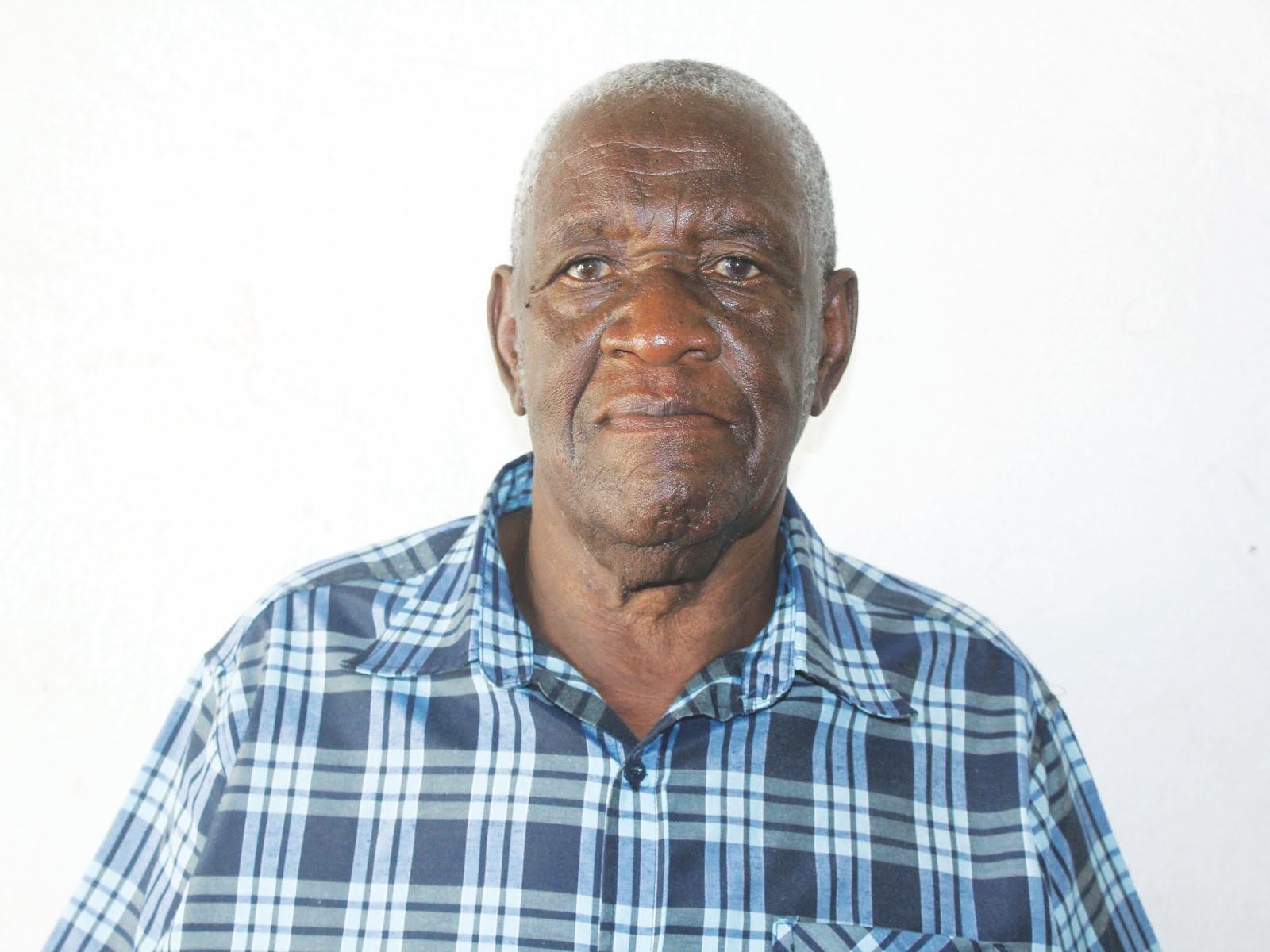
The writer is a retired educationist who served in the Ministry of Education for over 40 years. He was a teacher (1966-1974), school head at Nhamwi St Stanislaus School (1975-1984), DEO Chivi North (1985-1987), Chivi District Staffing Officer (1987-1993), Zaka Education Officer (1993-1996), Chivi Education Officer (1996-1999), Gutu DEO (1999-2008) and Reformed Church in Zimbabwe (RCZ) Education Secretary (2008-2015).