Home Blog Page 688

FC Platinum lifts Roy Mazingi Memorial Trophy

0


Minister of State for Midlands Provincial Affairs Owen Ncube hands over the trophy to FC Platinum captain of the day, William Stima

Exsto Makunzva

ZVISHAVANE – After crushing out of the African Champions League, FC Platinum won a consolation trophy in the name of the Roy Mazingi Memorial Tournament.
They lifted the trophy after thumbing their rival Shabanie FC one nil in the finals.
Roy Mazingi was a Chapungu FC goal keeper who died last year and the club hosted a memorial tournament in his honor to raise money to give to his family.
Four teams participated in the tournament among them the Shurugwi based Nichrut FC.
FC Platinum were without their head coach Norman Mapeza who was said to be not feeling well and had Lizwe Svesve standing in for him.
Svesve dedicated the victory to Mapeza whom he wished a quick recovery.
“We are happy to add another accolade to our trophy chest. This trophy is dedicated to our head coach Mapeza who is ill and getting treatment in Harare. We hope this victory will put a smile on his face and help in his recovery,” said Svesve.
Shabanie FC coach Takesure Chirangwi said he was satisfied by the performance of his team saying despite the loss, they gave FC Platinum a run for their money.
“My boys played good football considering that our opponents are a big force. We may have lost but we have learned a lot. We found ourselves in the final showing that we played well. I have seen areas which need to be improved come the 2018 premiership season,” said Chiragwi.
The tournament raised a total of close to US$6 000 which was handed over to the Mazingi family with the Minister of State for Midlands Provincial Affairs Owen Ncube being the guest of honor at the tournament.local

Denes brings another gold from Moza

0

Brendon Denes

Moses Ziyambi

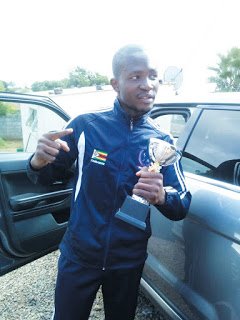
Brendon Denes, a Great Zimbabwe University (GZU) Political Administration student who of late has been performing wonders in the field of boxing, has added yet another strand to his growing band of gold medals.
A few weeks ago, the 23-years-old boxer was at the BCI Complex in the Mozambican capital, Maputo, for the 2018 Zone 4 Light Welterweight Championships.
He brought back gold after boxing out a Swazi competitor in the preliminaries before proceeding to the semis where he defeated an opponent from the Seychelles.
In the finals, he overcame strong rivalry from a Mozambican challenger to emerge as the light welterweight champion.
Boyka, as Denes is known in the boxing circles, now has 13 unblemished gold medals to his name, having fought in many national and international. In total, he has participated in 43 local and six international fights.
“I am pleased with my latest achievement which came as a result of hard work. I thank God for giving me strength to consistently build my career with some remarkable success. I thank those who are guiding me and travelling with me whenever there is something to do,” said Denes.
It was Charles Manyuchi who spotted Denes at Chikwarakwara Open Boxing Arena at Mucheke Hall in 2012 and went on to nurture him after noticing that the boy exuded so much potential.
“I owe this to the Charles Manyuchi Sports Academy. Manyuchi made me a national boxing icon by finding me a chance to take part in the national youth games. Since then, it has been an upward surge for my career,” said Denes, who is doing his work related learning with City of Masvingo’s housing department.
He is now looking forward to the XXI Commonwealth Games to be staged in Australia between April 4 and 15 this year.sport

Aspiring Zanu PF Masvingo North MP sets own pace

0

James Moyo presents prizes to winners

Clever Taperamoyo

MASVINGO – Zanu PF Masvingo North aspiring Member of Parliament (MP) James Moyo recently donated stationery items to winning athletes who competed in the district schools competitions held at Victoria High School last week.
The donation saw more than 78 pupils from different schools receiving such items as books, ball point pens, note books for team managers and gold medals.
Addressing athletes and other pupils at an event where he stood as an invited guest, Moyo encouraged athletes to take sports seriously, pledging to continue supporting their exploits.
He said leaders had a duty to support schools and the development of talent among school children.
Moyo has made his intentions to contest in the upcoming general elections clear, saying he has the best interests of Masvingo North, which is currently held by Davis Marapira, at heart.
“The constituency has immense potential but that has never been supported. There is a lot that needs to be done to develop this potentially rich constituency and set it up as an example for other people.
“We need to start new irrigation projects and expand the existing capacity. A Member of Parliament needs to be there to assist attracting investment and helping the area to develop. We don’t want to have people living like they have always lived; without any notable changes in their areas and their lives,” said Moyo.
He said his social responsibility work was meant to help in all areas that need intervention and would not stop even after the elections.
“There are people who go to the people simply to look for their votes and disappear thereafter. I want to be different. It is not all about the vote, but about working with communities and putting our heads together for the sake of development. Giving back to the community must not merely be for the sake of advancing one’s own political interests,” Moyo said.
He also said he had plans to support the empowerment of women and young people by helping them to set-up income generating projects.local

Ngundu rapist caged 72 years

0

…referred to High Court for countless murder charges

Nyasha Marumbi

MASVINGO – Magistrate Dambudzo Malunga on Wednesday afternoon sentenced notorious rapist and alleged murderer, Charles Matanga to 72 years’ imprisonment on eight counts of rape.
Matanga had perpetrated a reign of terror in Chivi district and other parts of the province before being arrested near Ngundu business centre earlier this week
On the first count, the State’s case, as presented by Mukai Mutumhe, was that Matanga threatened a 13-year-old girl with a knife, dragged her into the bush and raped her.
On the second count the accused applied the same tactics to rape his victim.
Matanga also demanded victims’ belongings after raping them and it was heard that he demanded a cell phone from complainant number three.
On count four, the perpetrator induced fear into a minor and an adult before raping the minor while hiding his face behind a mask.
It was heard that Matanga struck his victim number five with an axe on her ear and at the back of her neck before raping her.
On count six, the perpetrator threatened a minor with an axe and raped her.
The accused assaulted his seventh victim with a log and she fell down, and he raped her as she lay unconscious.
On the last count, Matanga assaulted the complainant with an iron bar, cuffed her with chains and raped her countless times.
In passing judgement, Malunga considered the fact that Matanga is not married, has no children, is not employed and did not waste the court’s time denying the charges against him.
The magistrate also considered that the accused caused physical harm on his victims, traumatised minors and behaved like an animal.
The first, fourth and sixth counts of raping minors earned him 20 years imprisonment with two years suspended on condition that he does not commit a similar offense in the next five years.
On count five, the rapist was sentenced to 14 years imprisonment but two years were suspended on condition that he does not commit the similar offense. On the third count, Matanga was sentenced to 10 years imprisonment.
Count two and seven earned him 10 years in prison while count eight attracted for him 14 years imprisonment with two were of them being suspended.
Matanga will soon be in the High Court to answer several murder charges some of which he allegedly committed after raping the victims.

Mwenezi man bashes, rapes wife

0

Cephas Shava

MWENEZI – Stanley Zivuku of Mukachana village under Chief Chitanga reportedly bashed his wife while she was naked before engaging in forced sex with her, the Mwenezi Civil Court heard last week.
Locadia Hove dragged her husband Zivuku, who is employed as a security guard at Lundi Clinic, to the civil court seeking a protection order.
Giving her side of the story to the court, Hove who has since fled to her parents’ homestead, said she endured her husband’s abuses for many years but had eventually decided to come to court as she could not bear it anymore.
“We have four girls together with Zivuku. He would assault me all the time but I would take it for the sake of my marriage. I however now feel this has gone on for too far. Even other villagers can testify that I was being abused.
“When I fled to my parents’ homestead, Zivuku had severely assaulted me while I was naked, leaving me with scars all over the body. After the assault he forced me to have sex with him,” said Hove.
Asked by magistrate Honest Musiiwa why she failed to file a police report, Hove said she made efforts but she later opted for an out of court settlement.
Magistrate Musiiwa granted Hove the protection order and gave a serious warning to Zivuku.
The magistrate also decried the behaviour of women who shield their abusive husbands while suffering in silence. He urged women to stand up for their rights by filing police reports so that justice can take its course.local

Demos rock Takwirira Govt High

0
Pupils roam freely during the demo

Memory Rasa

CHIPINGE – Takwirira Government High School pupils last week took matters into their own hands to demand answers on what happened to the bus levy they said they had been paying since 2015.
The toyi-toyi forced the school head, John Madhuku, to call the police and the District Schools Inspector (DSI) Richard Gabaza to come and help pacify the situation.
The singing pupils blockaded the Chiredzi-Checheche Road and vowed to continue with their action until the school head brought the long-promised bus.
The strike started on March 02 and went on for three days after which some semblance of normalcy was created following long hours of negotiations led by Gabaza.
The protest action, however, resumed on Monday with the children reportedly blocking the road again and inconveniencing cross-border buses. Things only got better when police addressed pupils and assured them that officials from the Education ministry will come and address them.
When TellZim News tried to get a comment from Madhuku, he dropped the call as soon as the journalist introduced herself. He did not pick all the subsequent calls.
Gabaza, however, acknowledged that there were problems at the school and said attempts were being made to solve them.
“I managed to calm the students on Friday. The main issue is about the bus and we are still investigating the allegations. The reports we received from the school is that the money is not yet enough for the dealer to release the bus. It is a Zhengzhou Yutong and it costs around US$180 000 and the school says it has paid under $100 000.
“I also received the information that the bus company advised the school to apply for a loan from the bank if they wanted the bus urgently. We are however carrying investigations on all the allegations being raised,” said Gabaza.
A parent who spoke on condition of anonymity accused the Madhuku of maladministration, arrogance and shortchanging parents.
“There is no communication whatsoever between the administration and the staff as well as between the staff and parents. The headmaster must show us the bus that we have been paying for or he must at least give us a good explanation,” the parent said.local

Smoking: the myths and the facts

0

Taona Tivafire, Zimsa

Have you ever noticed that whatever brands you buy, every cigarette pack has a warning sign giving a heads-up to the buyers that smoking is dangerous and hazardous to health?
It is even mandated by the law that they do so, though it may seem to be putting the companies out of business. Smoking has been there throughout the ages; even our ancestors knew about it, some may argue, but so were its effects that saw the demise of many people.
Every human being has a pair of lungs in their chest. These organs act as the interface between the outside environment and the inside part of our bodies. It is in the lungs where the exchange of oxygen; from the atmosphere; and carbon dioxide; from the cells and tissues; occur.
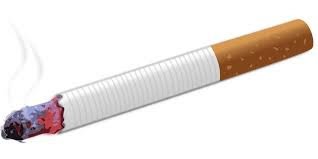
When a person smokes, they take the smoke straight into his/her lungs, just as they do when they breathe in oxygen. The smoke of a regular cigarette of tobacco consists of carbon monoxide, nicotine and tar. Researches, however, show that it contains more than this triad. These pollutants lead to the malfunction of the lungs and the advent of conditions like cancer, chronic obstructive pulmonary disease (COPD) and heart and vascular diseases.
Tafirei is a member of the Zimbabwe Medical Students Association (Zimsa)

Cancer

The constituents of cigarette smoke increase the risk of the occurrence of cancer of the oesophagus, larynx, mouth, bladder and pancreas, but largely they cause lung cancer. Cancer is generally the uncontrolled division of cells. Smoke pollutants can trigger this uncontrolled division of cells in various tissues. Though smoking is not the sole cause of lung cancer, it has the lion`s share of 85% of the cases.
Chronic Obstructive Pulmonary Disease (COPD)
This is a noncancerous lung condition that is characterised by
1.    Increased production and secretion of mucus by the lung tissue coupled with chronic cough with phlegm
2.    Thickening and narrowing of the airways resulting in obstruction of airflow during breathing out
3.    Destruction of the walls lining the air sacs which adds to the obstruction of airflow, a condition known as emphysema.
Cigarette smoke injures the lung tissue including structures that help to move mucus from the lungs resulting in the clogging of mucus in the lungs causing difficult breathing. In response to the smoke irritants immune cells in the lung tissue secrete some enzymes which, meant to destroy foreign particles, destroy the walls that line the air sacs leading to emphysema.
Cardio-vascular diseases (CVD)
Smoking is a high risk factor to the occurrence of heart disease among other factors like gender, blood pressure and obesity. Cigarette smoke disrupts the normal metabolism of fats and cholesterol in the body. This results in the build-up of fat layers within blood vessels, especially those supplying the heart, narrowing the vessel diameter and hence reducing blood supply to the heart. The smoke can also affect the blood clotting mechanisms of the body resulting in the formation of blood clots that can occlude blood vessels causing cerebro-vascular stroke and other related conditions.
To add the above conditions, cigarette smoking adversely impairs the sexual and reproductive functions in women. The smoke can directly affect the eggs, reduce the motility of the female reproductive tract and can lead to the blockage of the oviducts. Pregnant women are highly discouraged to smoke because it has adverse effects on the outcome of the pregnancy. These include reduced fetal growth, low birth weight, miscarriages and complications during the pregnancy, labour or delivery of the baby.
Marijuana, or mbanje; is an addictive drug and has even worse effects on human health. However, there is a way of reducing, or better off avoiding, these risks. QUIT SMOKING. We will discuss more on the psychological effects of smoking including addiction and ways to quit smoking in the next issue.
REMEMBER, PREVENTION IS BETTER THAN CURE!!!

Smoking addiction: the battle plan

0

Last week we discussed on the non-psychotic effects of smoking, which included the increase in the risk of occurrence of cancer, lung diseases, cardiac and vascular diseases. We also noted that cigarette smoke mainly contains carbon monoxide, tar and nicotine. This time we are going to look at how smoking affects our mental faculties, and how we can be free from its chains.
Of the triad of cigarette smoke constituents, nicotine has both psychological and non-psychotic effects and it is highly addictive. Soon after exposure to it, the body`s first reaction is the “kick” which is caused by the drug`s stimulation of the adrenal glands resulting in the release of adrenaline. In turn, adrenaline increases blood glucose, blood pressure, heart rate and respiration.  Nicotine also supresses the release of insulin – a hormone that facilitates the uptake of sugar from the bloodstream, by the pancreas leading to diabetes-like effects, that is increased blood glucose. This increases the risk of smokers, who are in constant exposure to the drug, to develop diabetes.
The psychotic effects of nicotine occur when the drug stimulates the release of some brain chemicals, dopamine, in the pleasure and motivation areas of the brain. Dopamine affects emotions, movements and sensation of pleasure and pain. An increase in dopamine levels, triggered by the nicotine from cigarette smoke, brings a sense of pleasure and the feeling of contentment. Nicotine can also act as a sedative, which brings a calming and soothing effect. It is also linked to increased alertness, improved memory and concentration; and it reduces anxiety. These are the euphoric effects that excite smokers, what they term as “being high”.  
With the constant exposure to smoke, the body becomes “used” to the presence of nicotine; and would require a higher dose in order to enjoy the same euphoric effects. This is called nicotine tolerance. The desire to “get high” will prompt smokers to increase the number of cigarettes they smoke per day to the extent that they feel like they cannot live without a “pull”. Nicotine is highly addictive and a sudden stop to a regular consumer will result in withdrawal symptoms which may include cravings, a sense of emptiness, anxiety, depression, moodiness, irritability and difficulties in focusing or paying attention.
So, how do you quit? … Quitting smoking is not a single event that happens on one day; rather it is a journey that requires behavioural changes. It comes with a number of positive advantages which include improvement of health, quality and duration of your life and of those around you. Quitting smoking requires you to alter your behaviour so that you cope up with the withdrawal symptoms that come with cutting off nicotine, and also to manage your moods.
1.    Set up a quit date. The decision to quit is the first step of the journey. Setting up a date makes the mission more important and adds the weight of seriousness to the decision. Pick a date that is not too far in the future, but which gives you enough time to prepare. Decide whether you are going to:
•    Quit abruptly, that is you continue smoking right up until your quit date and then stop.
•    Quit gradually, that is you reduce your cigarette intake slowly until your quit date and then stop.
On the quit day, do not smoke at all; stay busy; drink more water and juice; avoid alcohol, avoid individuals who are smoking and avoid situations that urge you to smoke.
2.    Tell your friends, family and co-workers about your decision to quit, and about your quit date. Sharing this with people who care about you is a source of encouragement that will keep you disciplined and focused on your goal. Family and friends will help your on this quest.  If possible, join a stop smoking support group where you will find comrades like you fighting the same enemy. Listen to the stories of people who have successfully quit smoking and draw inspiration from them.
3.    Stopping smoking comes with various withdrawal symptoms that have been mentioned earlier. When the craving comes, use oral substitutes like gum, toothpicks or candy, instead of taking a cigarette. 
4.    Get rid of all the items that are related to your smoking. Throw away your ashtrays, destroy the cigarettes and get rid of the lighters. All these things may trigger the desire to take a pull. Break routines that included smoking as part of your day. At smoke breaks, rather than lighting a cancer stick, drink a glass of juice. This will help your brain to associate the time with juice rather than smoking
To win the rigorous battle of the urge to smoke, make use of the four D`s:
•    Delay until the craving passes. This may seem hard to overcome, but try your best.
•    Deep breathe. Breathing in slowly through your nose and exhaling through your mouth helps you to calm down, giving you an upper hand in fighting the urge.
•    Drink water. Do it slowly, taking small sips at a moment. This will help you beat the craving
•    Do something else. This will distract you and helps your mind to focus at the task at hand, rather than smoking. Make sure that whatever thing you decide as your distraction does not trigger you into smoking.
So, make that bold step and improve your health, and of those close to you. Until next time, remember to make healthy choices.
Zimbabwe Medical Students Association (ZiMSA) is an association of medical students that mainly deals with reducing the incidence of diseases and their control by information dissemination. It encompasses students from the three medical schools in the country that is Midlands State University (MSU), University of Zimbabwe (UZ) and National University of Science and Technology (NUST). 
Taona Tivafire is a Third Year medical student at MSU. You can check out ZiMSA Health Page for more health related topics.health

Awareness on female gender mutiliation

0


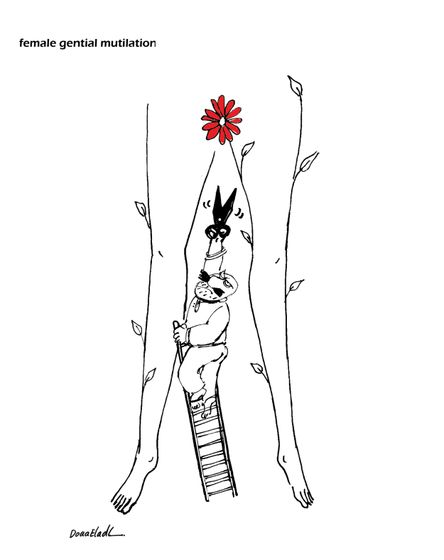
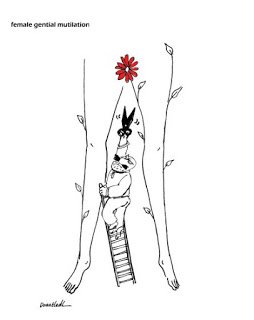
FGM/C (female gender mutilation/cutting) includes procedures that intentionally alter or cause injury to the female genital organs for non-medical reasons. It compromises all procedures that intentionally alter or cause injury to the female genital organs for non-medical reasons.
The procedure has no health benefits to women or girls, on the contrary it has many consequences. It is a direct violation of human rights- both sexual and reproductive rights. It can be traced back to the pharaonic era in ancient Egypt and also in certain ethnic groups in sub-Saharan Africa.
There are 4 types of FGM/C.
•    Type 1- excision of the clitoris or the prepuce with or without excision of part or all of the clitoris (in Sudan and Arabian countries it represents religious backgrounds and beliefs)
•    Type 2- excision of the clitoris with partial or total excision of the labia minora
•    Type 3- excision of part or all of the external genitalia and stitching/narrowing of the vaginal opening (infibulation; the colloquial name is pharaonic type)
•    Type 4- includes pricking, piercing or incision of the clitoris and/or labia; cauterisation by burning of the clitoris and surrounding tissues; scraping of the vaginal orifice (anguyrya cuts) or cutting of the vagina (gishiri cuts); introduction of corrosive substances or herbs into the vagina to cause bleeding, into the vagina or for the purposes of tightening or narrowing it; and any other procedure that falls under the definition of FGM given above.
The practice is mostly carried out by traditional circumcisers who often play other central roles in communities, such as attending child births. In many settings health care providers perform FGM due to erroneous belief that the procedure is safer when medicalised. Midwives and the elderly in the family may also perform the FGM.
The age FGM is performed depends on the ethnic and geographical distribution. The age is flexible within the communities, either because it is not tied to any particular ceremony, or because people’s belief in its ceremonial significance has died away. The procedure may be carried out on infant girls, during childhood or adolescence, at the time of marriage (preparing for the marriage), at a woman’s first pregnancy, or even whilst in labour (this is a form of fixing the woman and making the vaginal opening as small as it used to be).
Such an extensive procedure involves many complications and risks that are not only medical but psychological too. Severe pain is inflicted due to the operation being performed with crude instruments and without anaesthetic and many women writhe in pain and this can bring injury to the adjacent parts such as the vagina, tissue of urethra, perineum, rectum and some obtain broken limbs from being held down. These complications can also be due to the operator being ignorant in anatomy and physiology of the female external genitalia, has poor eyesight or a careless technique (no prior education in surgery) or just because the operation was done in poor light. Infection is also very common because of an unhygienic non-sterile operating environment which can cause it to fail to heal. Rupture of urethra can result in incontinence. Acute urine retention is another complication and so are keloids scars (shown in picture below), obstructed labour, infertility, shock due to haemorrhage (because of sudden loss of blood) and neurogenic shock due to severe pain and trauma. The women may also experience apareunia (impossibility of sexual intercourse), superficial dyspareunia (pain during intercourse), sexual dysfunction, anorgasmia (lack or orgasms), post-traumatic stress disorder (PTSD), obstructed mensuration, insecurity and trust violation by closest family, relatives and peers.
FGM is such a horrendous act that you are probably asking yourself, why? Why would anyone do that to themselves or to another human being? There are many reasons for this vile act. Some cultures do so as a means of controlling women’s sexuality and to ensure virginity until marriage and fidelity in marriage (women who have had FGM don’t enjoy sex so they won’t have multiple sexual partners). But is this not counter intuitive? Sex is described as one of the basic needs together with water, shelter and food and in essence they are associating it with something not pleasurable. So in short they have turned water into gasoline and are now depriving women of their needs. Some men say that the FGM increases sexual pleasure for them and hence they request for their brides to undergo FGM before they are married. FGM also makes girls more acceptable in certain communities and increases their eligibility for marriage and can also be used as a traditional rite of passage into adulthood (this rite is often surrounded by various myths). FGM is associated with notions of being “feminine,” “modest,” “clean” and/or “beautiful” and these are things many females strive to be as the tradition brings honour to the family. Some types of FGM are done when one is sick to cure them e.g. if one has mass on the vaginal opening such as a cancer or any chronic disease which they have never come across or don’t know how to treat FGM is performed to remove the mass and the women is “cured” from the unknown disease. There is also FGM for the afterlife- it is done on the dead body of the female so that they are considered new again and ready for their next life. It is also believed that an unmodified clitoris leads to masturbation and lesbianism which is unacceptable behaviour.
The real reason is power and control over women and this instils fear. This is why it is mostly concentrated in patriarchal societies where fear is confused for respect. In such patriarchal societies women have little or no say and do not voice their opinions which is a demoralisation of integrity and a robbing of personality. Although it is illegal it is a social norm, a tradition, a culture that’s deeply rooted in the communities and the pressure keeps this mal-practice on going. Women are not at liberty to speak about their sex life and hence whether it is enjoyable or even durable is not a concern. Lack of sexual pleasure is a norm- even the wise elderly women who the women consult have never had such experiences hence the women do not know what they are losing or that they are they are losing anything at all. Women in such communities are also afraid of being alone and divorced if they do not consent to the procedure. There is a stigma of being unclean if the procedure is not done and this serves as a platform for bullying for girls at school hence they would rather have the procedure than endure the bullying. Some women go as far as asking for the procedure again after traumatic child births that may “undo” the procedure.
Hence empowering women and educating them is paramount. The elimination of FGM cannot be done overnight but is instead a painstakingly long process that requires long term commitment and the laying of a strong foundation that will support successful behaviour change. A hands-on approach of working in the community and also embracing the emotional aspects of it is needed- FGM is dressed to be the key to beauty and honour (things which women strive for) and hence by this virtue make the harmful procedure “appealing” to women. Fighting against FGM will require strong and capable anti-FGM programmes at national, regional and local levels. FGM prevention should be integrated into all relevant government programmes and health care workers should be trained to manage the complications of it whilst advocating for the practice to be stopped.  Continuous campaigns are in order because they are convinced the procedure is right and has many benefits. Playing on the physical and traumatic harm towards women and girls is a starting block in eliminating such practices. Education shouldn’t only be targeted at the women but at the men too- maybe if they don’t find it attractive women may not feel pressured into it. The practice is very embedded in the culture and social norms and sadly women do not know their rights.
Remember that FGM is stealing the sexual rights of a woman (women’s genitals are cut off unnecessarily like rags), while male circumcision is for medical reasons. This is why we all need to advocate and raise awareness, to empower women and change the society’s mentality!
Chipo a medical student at the University of Zimbabwe. She is a member of the Zimbabwe Medical Students’ Association (ZiMSA).health


Zvishavane Evangelical Lutherans conduct smooth transition

0

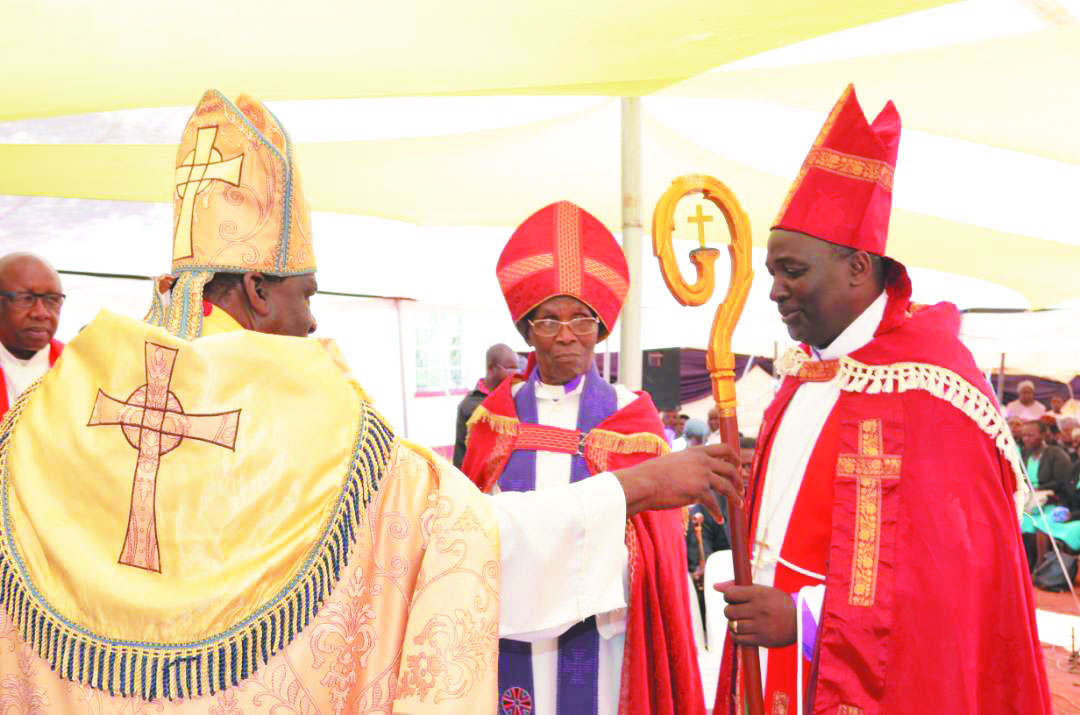
Bishop Shava handing stuff to Bishop Kenneth Sibanda during concecration while LUCSA Director David Tswaedi (left)and Bishop Emeritus J.C Shiri (right) looks on

Tanaka Mapfumo

ZVISHAVANE – The local branch of the Evangelical Lutheran Church in Zimbabwe (ELCZ) celebrated 500 years of the church’s reformation with colourful ceremony held at 1894 Izaya Park Zvishavane a few days before Christmas.
The two-tier event combined the farewell party for Bishop Emeritus Naison Shava and the consecration of Kenneth Sibanda as new Bishop of the Central Diocese.
The event was graced by seven bishops consisting of the Evangelical Lutheran Church of America, Upsala Diocese of Sweden and Lutheran Church of Southern Africa.
The outgoing Bishop Shava left a great legacy as witnessed by testimonies of those who attended the ceremony.
He was praised for leaving tangible success in leading the local church as a pastor, youth director, dean, bishop and president of Zimbabwe Council of Churches (ZCC).
Reverend Dr. Kenneth Mutata, the secretary general of ZCC, said one mark of leadership was to understand the responsibility that a leader owes to the local church and to the universal church.
“We want to recognise Bishop Shava as an ecumenist leader of the local church and the universal church,” said Rev Mutasa.
On his part, Bishop Shava praised God for directing him and guiding his leadership when he was still in charge.
“I glorify the Lord. I am happy to retire after 41 years of service. I still know that God has not finished calling me so I will wait for his future call. My plan was to retire, rest and be available to my family which has missed me over the years.
“I have achieved my dream; delivered the message God entrusted me with and accomplished my mission. I am satisfied. I don’t owe the diocese anything and it doesn’t owe me anything either. I will be available to give the incoming bishop advice and support,” said Bishop Shava.
In his remarks, Bishop Sibanda said he was humbled by the occasion, adding that he was not qualified for the position on his own but by the endless grace of God.
“I thank God for choosing me and giving me this responsibility. The joy of the Lord is my strength,” said Bishop Sibanda.
A visitor from Lutheran Media Forum in Zambia hailed local worshippers for their unity and togetherness.
“I would like to salute our brethren here in Zimbabwe for the harmony and togetherness. When leadership exchanges hands flawlessly, there is reason to be joyous,” the representative said.local