Home Blog Page 88

Schools should teach using indigenous languages

By Virginia Njovo

Minister of Primary and Secondary Education (MoPSE), Torerai Moyo, has urged schools to teach using indigenous languages from Early Childhood Development (ECD) as a way of safeguarding African cultural heritage, which he said is under threat from Western ideologies.
Moyo was speaking at Sikato Primary School in Masvingo, where schools from three provinces—Masvingo, Manicaland, and Matabeleland South—are part of a pilot project themed ‘Safeguarding the Intangible Cultural Heritage in Basic Education in Zimbabwe’.
The project, which is also being implemented in Namibia, is supported by the Belgian government in collaboration with UNESCO.
Moyo emphasized that using indigenous languages in schools is crucial for protecting African pride and complements MoPSE’s Heritage-Based Curriculum, which aims to produce primary and secondary school graduates who are fit for purpose.
“Schools should teach learners using local languages in every subject so that we uphold and uplift our heritage, which is our pride. In China, all classes are taught using their language; we can also do the same from ECD,” said Moyo.
He added that teachers need in-service training on heritage to ensure they are equipped to provide informed and effective heritage teachings.
“Our teachers need to be equipped well so they will be able to teach learners in areas they have knowledge of, so they should get in-service training,” said Moyo.
The minister also said that teaching heritage would equip learners with skills and values to sustain themselves after school, emphasizing the need for a collaborative approach between learners and teachers to achieve the intended goals.
“As we saw during the exhibition, learners are engaging in fish farming, poultry, piggery, and the harvesting of indigenous herbs. This shows that these children are being capacitated, and even after school, they can make a living,” said Moyo.
His deputy, Angeline Gata, who was also present, underscored the role of the community in safeguarding intangible cultural heritage, which she said is even greater than that of teachers.
“I encourage elders in the communities to include children when engaging in sacred practices rather than sending them away. They need to see how things are done in our culture because no one can beat you for being yourself. It is up to you to be who you are.
“We have different cultures that need to be preserved. Teaching children how to cook our indigenous food properly and informing them about the nutritional benefits of local foods are important aspects of preserving our heritage,” said Gata.
Sustainable Development Goal 4, target 4.7, emphasizes improving the relevance and quality of education by supporting the transmission of living heritage to younger generations. Incorporating living heritage into the Heritage-Based Curriculum helps contextualize learning and ensures cultural continuity.
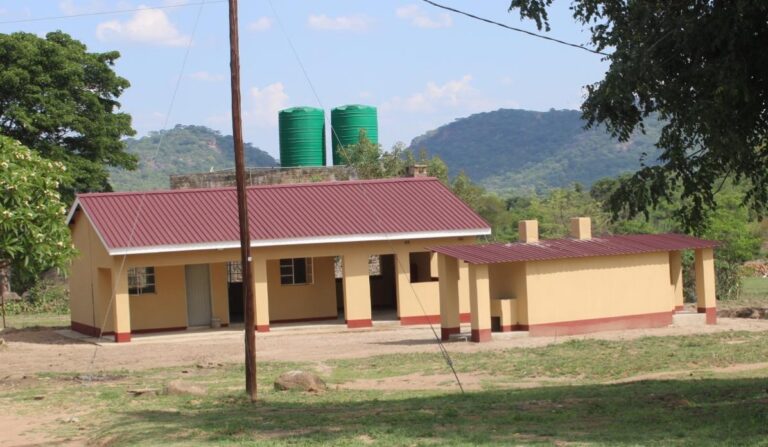
New mother’s waiting shelter for remote Zaka clinic

By Virginia Njovo

Villagers from Zaka South breathed a sigh of relief after receiving a fully equipped mother’s waiting shelter from SolidarMed at one of their local clinics, following years without an operational facility.
Chiredzana Rural Health Centre, established in 1963, serves a catchment area of approximately 13,000 people. Expecting mothers previously had to travel nearly 35 kilometers to Mashoko Hospital after the old structure was condemned for being sub-standard, which resulted in a number of them either giving birth at home or on the way to the clinic.
Speaking to TellZim News during the commissioning of the shelter and nurses’ quarters on November 30, Ward 31 Councillor Tumai Madzikona highlighted the difficulties women in his area endured. He noted that they had to walk long distances when due for delivery, risking the lives of both mothers and their unborn children.
“Women from my area used to go to Mashoko Mission Hospital, approximately 35 kilometers via the main road or about 25 kilometers using shortcuts, which took around four hours. This was a difficult situation for expecting mothers. Most of them ended up giving birth at their homesteads, which is risky for both mother and newborn,” said Madzikona.
SolidarMed, a non-profit organization operating in Masvingo Province—covering Zaka, Bikita, Chiredzi, and parts of Masvingo District for over half a century—specializes in HIV, maternal and neonatal health, non-communicable diseases, adolescent health, oral health, and digital health. The organization injected US$55,000 to construct a mother’s home, which can shelter six mothers at a time, as well as staff houses.
Memory Zhou, an elderly woman from Ward 31, expressed relief that the maternity home will easy the burden on their community. She explained how it eliminated the fear of young mothers enduring long waits far from home during delivery.
“Young mothers used to go as far as Mashoko or Msiso to wait for delivery, which worried us as elders. We were often unable to see them regularly, and it was difficult to bring them basic necessities. Now, we are happy and appreciate those who made this waiting home available,” said Zhou.
Another villager, Nelisa Kunodziya, added that the shelter would significantly reduce the risk of mothers giving birth on the road while en route to the hospital.
“Waiting mothers were at risk of giving birth on their way to the clinic, especially first-time mothers, as they often miscalculated their delivery dates. The shelter will help us avoid such scenarios,” said Kunodziya.
SolidarMed Project Coordinator Justin Mahuni commended the engagement of stakeholders, which he described as key to the project’s success.
“We actively engaged a diverse range of stakeholders, including our primary partner, the Ministry of Health and Child Care (MoHCC), local government—who own the facility—as well as community leaders and residents. They all showed remarkable commitment and active participation throughout the process,” said Mahuni.
Mahuni expressed high hopes for the project’s impact on improving maternal health services and reducing home deliveries.
“We aim to improve maternal health services and increase health awareness within the community. One of the key outcomes we expect is a significant reduction in home deliveries, as more mothers will use the mother’s waiting home and associated healthcare facilities.
“We hope to see measurable improvements in maternal health, as the waiting mothers’ home will provide a safe and supportive environment, leading to better health outcomes for both mothers and their newborns,” said Mahuni.
Chiredzana Clinic averages five deliveries per month, with one or two deliveries occurring weekly. The new mothers’ waiting shelter accommodates up to six mothers at a time, both before and after delivery.
Maternal health remains a critical issue in Zimbabwe, especially in rural areas where many mothers face unsafe delivery conditions. Greater attention is needed in remote areas to address maternal health challenges.

The decomissioned mother’s waiting shelter structure at Chiredzana clinic in Zaka

Juvenile Delinquency: A Theological Discourse

0

By Rev Dr Isiah Dhliwayo

The phenomenon of juvenile delinquency has become a pervasive and intractable issue in contemporary society, precipitating a plethora of deleterious consequences for the individual, family, and community. As the theologian, Karl Barth, once stated, “The Church must not only speak of God, but also speak to God” (Barth, 1936). In this sense, the Church must not only address the issue of juvenile delinquency, but also seek to understand its underlying causes and provide a comprehensive and efficacious response.
The biblical account of human nature, as exemplified in the narrative of the Fall, posits that humanity is inherently prone to sin and rebellion against God (Genesis 3:1-7). As the philosopher, Jean-Paul Sartre, noted, “Human beings are condemned to be free; because once thrown into the world, they are forced to choose” (Sartre, 1943). This fundamental flaw in human nature, coupled with the influence of societal and environmental factors, can precipitate a trajectory of delinquent behavior in juveniles.
Research has identified a plethora of factors that contribute to the etiology of juvenile delinquency, including family dysfunction, poverty, peer influence, and mental health issues. As the sociologist, Émile Durkheim, noted, “Social solidarity is the bond that unites individuals and groups in a society” (Durkheim, 1893). The absence or dysfunction of these relationships can precipitate a sense of alienation and disaffection, leading to delinquent behavior.
Furthermore, the biblical account of the human condition emphasizes the importance of community and social relationships in shaping individual behavior (Acts 2:42-47, 1 Corinthians 12:12-31). As the philosopher, Martin Heidegger, noted, “Being-with-others is a fundamental aspect of human existence” (Heidegger, 1927). The breakdown of these relationships, coupled with the influence of negative peer groups, can contribute to the development of delinquent behavior in juveniles.
In response to the issue of juvenile delinquency, the Church must adopt a comprehensive and multifaceted approach that addresses the spiritual, emotional, and social needs of juveniles. As the theologian, Dietrich Bonhoeffer, noted, “The Church is not a community of the perfect, but a community of the forgiven” (Bonhoeffer, 1937). This approach must be grounded in a biblical understanding of human nature and the importance of community and social relationships.
Firstly, the Church must prioritize the development of healthy familial relationships, providing support and resources for families to nurture the moral and spiritual development of their children. Secondly, the Church must foster a sense of community and belonging among juveniles, providing positive peer relationships and social connections that promote prosocial behavior.
Finally, the Church must address the spiritual needs of juveniles, providing a clear and compelling presentation of the gospel and the transformative power of the Holy Spirit. As the theologian, Karl Barth, once stated, “The Gospel is not a message of moral improvement, but a message of salvation” (Barth, 1936).
In conclusion, the issue of juvenile delinquency is a complex and multifaceted problem that requires a comprehensive and theological response. By grounding our understanding of human nature in the biblical narrative, and drawing on the insights of philosophical scholars, we can develop a nuanced and effective approach to addressing the spiritual, emotional, and social needs of juveniles. As the Church, we must prioritize the development of healthy familial relationships, foster a sense of community and belonging, and address the spiritual needs of juveniles, providing a clear and compelling presentation of the gospel and the transformative power of the Holy Spirit.

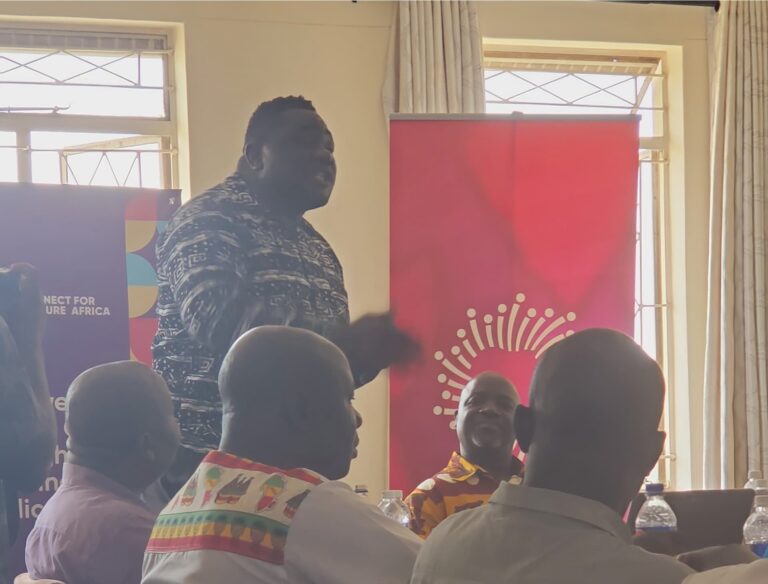
Chenhaka Trust hosts Connect for Cultural Africa in Masvingo

By Rangarirai Shanyurai

Chenhaka Trust, a Mutare based arts and cultural organization held a cultural connection event for artists during its second educational tour, supported by the Zimbabwe National Arts Council in Masvingo. The event was held at the Zimbabwe National Family Planning Council offices in Masvingo on November 28.
It was running under the theme ‘sharing perspective and recommendations on pressing policy issues affecting the Arts sector in Zimbabwe’.
The event covered topics including funding and resource allocation, arts and education policies, as well as government support and regulations of the arts industry.
Speaking at the event, Chenhaka Programs Officer Reginald Tinavapi said they planned a sustainable arts project, connecting initiatives across Africa aimed at engaging young artists in policy education.
“Chenhaka Trust is a program based in Mutare that is planning a sustainable project focused on Arts and Culture sector. We are here to connect cultural initiatives in Africa through sustainable public funding in the arts. Our goal is to develop strategies that can help the arts grow in Zimbabwe.
“The “Connect for Cultural Africa” initiative was developed in Sweden and the African Union, and it aims to transform the cultural and creative landscape in Zimbabwe. We recently launched this initiative in Masvingo, following our kick-off event in Harare last week.
“In the future, we plan to expand our efforts into a podcast format and introduce cultural ambassadors. These ambassadors will be featured on our website, as the project will take place in four countries: Zimbabwe, Uganda, Zambia, and Ethiopia. We aim to adapt our activities to our local context while also advocating for our policies,” said Tinavapi.
Chief Bere born Phinias Tafireyi who was among the attendees said the Zimbabwean culture had been distorted because artists were adopting foreign elements in their work which contributed to the decline of the African culture and values.
“Some Zimbabwean artists have abandoned traditional practices in favour of foreign cultures, leading to the erosion of African heritage. The greed of wealth and fame has also contributed to the decline of Zimbabwean cultural identity. Traditional values are being replaced by foreign influences.
“Collaboration among Masvingo artists and initiatives like Vamhari festival is encouraged to help preserve our cultures. Artists interested in cultural collaborations such as guitarists, poets, sculptors, and others are welcomed as art cannot exist without culture. Culture and art are interconnected, which is why collaboration is essential. There is a commitment to promoting and marketing our rich cultural heritage,” said Bere.

500 ARDAS officers get tablets

By Virginia Njovo

The Ministry of Agriculture, Fisheries, Water, and Rural Development (MoLAFWRD) has distributed 500 tablets to Agriculture and Rural Development Advisory Services (ARDAS) officers—formerly AGRITEX officers—in five districts of Masvingo Province.
The initiative aims to equip the officers with digital tools to align with the government’s vision of digitalizing field operations.
The districts benefiting from the tablets and training on data collection are Bikita, Chiredzi, Chivi, Mwenezi, and Zaka.
MoLAFWRD Permanent Secretary, Professor Obert Jiri, highlighted the government’s commitment to equipping field officers with modern technology to keep pace with a rapidly evolving world.
“The Ministry has adapted to the digital world by digitalizing field operations. A lot of work is being done on the ground, so to improve timeliness, going digital is the way forward,” said Professor Jiri.
Masvingo Provincial Agricultural Director, Caleb Mahoya, emphasized that providing extension officers with tablets will enhance transparency, improve record-keeping, reduce human error, and offer greater convenience.
“This initiative aims to assist field officers in collecting data from farmers and keeping records electronically. It ensures data confidentiality, minimizes human error in data collection, and improves timeliness,” said Mahoya.
Mahoya praised the ministry for the effort, noting that digitalization will streamline audits and enhance the monitoring and evaluation of various projects.
“This effort of equipping extension officers with technological tools will increase accountability in various activities. Audits will be easily conducted due to the availability and accessibility of information, while monitoring and evaluation exercises will be more efficient for projects within the Ministry,” added Mahoya.
He also highlighted how the initiative safeguards important data from natural disasters.
“Previously, critical data and records were at risk of being lost during rainy seasons, but the new digital tools will ensure such information is safely stored and easily accessible. Combined with the motorbikes they received earlier, which resolved mobility challenges, these tablets will help us manage information more efficiently. Digitization has transformed field operations, making jobs easier and more effective,” said Mahoya.
The government’s ongoing efforts to equip its workforce with modern tools are vital for achieving national development and agricultural transformation. Similar technological advancements have already been implemented for other AGRITEX officers across the country.

Jilted artisanal miner hangs self in girlfriend’s house

0

By Virginia Njovo

An artisanal miner based in Manyama area near Nemamwa only identified as Moses’ body was found hanging in his alleged girlfriend’s rented house at Nemamwa Growth Point on November 27, 2024.
Acting Masvingo Provincial Police Spokesperson Assistant Inspector Masauso Patinyu confirmed the death and urged people to seek counselling when faced with similar situations.
“I confirm the death of one artisanal miner only identified as Moses who hanged himself at his girlfriend’s house. I urge members of the public to seek counselling when having troubling issues or involve third parties to help resolve issues than taking their life,” said Ass Inspector Patinyu.
Sources close to the matter said Moses had abandoned his wife and children for his girlfriend identified as Varaidzo Guvaza, a mother of four and was allegedly involved in sex work at the growth point.
The two had an argument as Moses told Guvaza that he no longer had money to take care of the latter together with her children. Guvaza told him that she was reverting to her old lifestyle of sex work as she was popular for that at Nemamwa Growth Point.
On the day in question, Moses came to Guvaza’s house where the two had a heated argument in front of the kids and neighbours. Later Guvaza left for Mashava, leaving her children in custody of Moses.
Guvaza is said to have earlier ordered her children to go to her friend’s place to sleep where they were sent back by the friend to collect some blankets. Upon reaching home, the children found Moses hanging in the room, with salive drooling from his mouth, after which they ran to report the matter to their mother’s friend who came with other neighbours. They then found Moses hanging from electric cables in the house.
They went to report the matter to the police who took the body to Masvingo General Hospital mortuary for post-mortem.

Poor solid waste management gives MCC headache

By Virginia Njovo

Inadequate management of solid waste has become a pressing issue for Masvingo City Council (MCC) as mismanagement is not only causing environmental and health risks but also obstructing overall cleanliness of the City.
MCC has been struggling to effectively handle the increasing amount of solid waste generated by the city’s growing population which is the main reason behind flooding of infrastructure throughout the city when it rains.
Lack of proper waste separation at source, limited recycling facilities and insufficient waste disposal infrastructure have worsened the problem and as a result garbage piles in the streets, open spaces and even water bodies causing pollution.
City of Masvingo Chief Health Officer Suzanne Madamombe said they were trying as much as they could to handle the situation in the city using various strategies.
“The local authority has constructed an engineered landfill for proper solid waste management, which will ensure that all waste is managed properly and doesn’t pose a health hazard to the community,” said Madamombe.
Madamombe said council was conducting campaigns to enlighten residents on proper waste disposal.
“Anti-littering blitzes are being done to ensure every producer of solid waste has a standard receptacle with a lid to ensure proper storage of waste before collection, while integrated solid waste management is being done through 5Rs concept where most focus is done in reducing, reusing and recycling. The waste separation programme has already been launched and is being piloted in Eastvale,” said Madamombe.
Late last year council promised to put gates on sanitary lanes as residents were now in the habit of using the lanes as dumpsites. Madamombe said they were still mobilizing resources for the programme.
“Engagements to install sanitary lane gates are ongoing to ensure that all sanitary lanes are accessible and kept clean, it is our duty to monitor and keep those lanes clean,” she said.
In 2023 Council gazetted City of Masvingo Anti-Litter By Law supported by the Public Health Act and the EMA Act with a fine prescribed by council of not less than five dollars for littering.
Statutory Instrument 243 of 2023 of Masvingo City, Environment and Natural Resources Conservation Bylaws Section 36.1 states that it was an offence to litter on surfaces.
The SI states that no person is allowed to throw any litter on any land or water surface, street, road or site in any place except in a container provided for that purpose or at a place specifically designed for that purpose.
In Masvingo, various companies have invested in solid waste management and these include Stable Packaging which collects HDPE plastics and clear PET.
Masvingo Urban Recycling Company collects Pet and Aluminium cans while USE AGAIN collects soft plastic, cardboard boxes and bottles.
Waste Solutions collects clear and brown cans, together with individual waste pickers who sell outside the city.
Recently, council notified residents that it had two refuse compactors servicing the whole city due mechanical issues and this prompted council to resort early morning refuse collection to address the challenge.
The delay in collection of refuse in residential areas has a bearing on waste management adversely as animals like dogs overturn bins scattering litter in the streets which later block drainages.
Masvingo City Council Mayor Alec Tabe is on record saying council intends to upgrade the drainage system in the city after the recent flash floods left many properties soaked in water.

Chipinge’s Mlilo tourney ends on high note

0

By Courage Dutiro

This year’s edition of the 18-year-old Mlilo tournament held on November 30 and December 1, 2024, ended on a high note as teams from three districts of Manicaland province clashed for the tournament’s championship.
The tournament saw eleven teams participating in the male soccer category and five netball teams racing for the title.
One of the organizers and sole sponsor of the tournament, Innocent Mlilo of Innolid Investments headquartered in Chipinge Town said the tournament was a gesture of social responsibility to community and need to entertain people through sports.
“The tournament started in 2005 with only eight participating teams. This year, eleven teams, including some from Mutare and Chiredzi, took part. The tourney was born from the need to appreciate clients who support Innolid Investments and also as a way of promoting sports in the community,” said Mlilo.
He also said in the next two years, he foresees the tournament incorporating some teams from as far as Masvingo and Harare as a way of promoting the development of the game of football.
Mlilo, who is passionate about sports, also said through such tournaments, some players will have a chance to showcase their talent and could end up playing for other bigger teams in the province.
In this year’s edition, Clearwaters Football Club (FC) were crowned the 2024 Mlilo tournament champions after defeating ZRP Support Birchnough Bridge one-nil in the final match played at Gaza Stadium, while in netball, South Down were declared the champions after edging Clearwaters in the final stages of the tournament.
Other teams that also participated in the tournament include Chazunguza FC from Mutare, Blue Rovers from Chiredzi, Ngorima FC, Mumengo FC, Makondo FC both from Chimanimani, Gabbana FC, South Down FC and Chipinge Junior Academy FC all from Chipinge District.

14 Artists certified in traditional instrument making

By Rangarirai Shanyurai

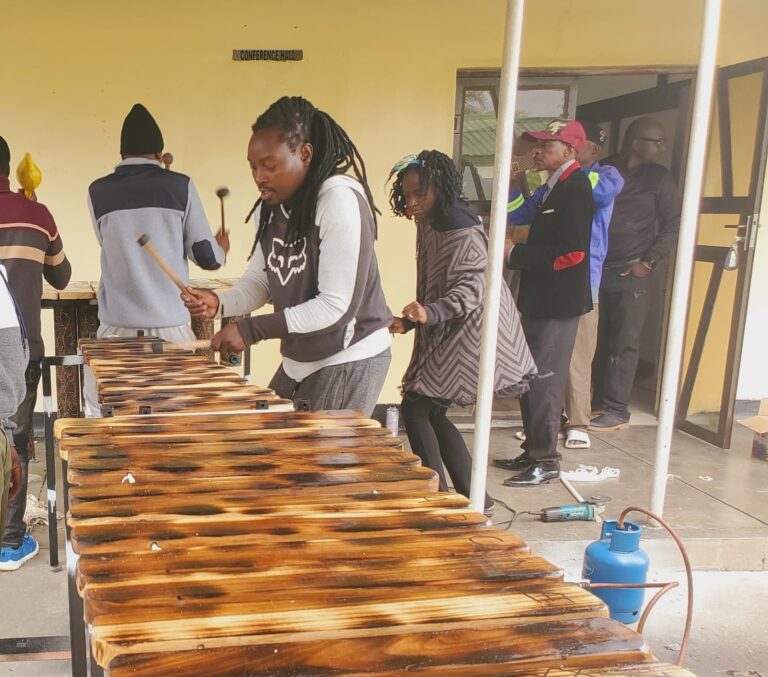
The Culture Fund of Zimbabwe Trust certified 14 artists in traditional instrument making at Bethany House on November 29, following a successful workshop where participants built three marimba instruments over two days.
The initiative, funded by the European Union, aimed to empower young artists, including those with disabilities, through professional training in the music business, as well as marimba and mbira instrument making.
The Culture Fund of Zimbabwe Trust envisions a world where culture and the arts, rich in African heritage, thrive sustainably and contribute to wealth creation for African societies.
Traditional instrument makers from various parts of Zimbabwe—including Binga, Harare, Bulawayo, Masvingo, and Mutare—attended the workshop. During the training, the participants formed a band and named it the African Musical Instrument Association (AMIA).
Speaking at the event, Culture Fund Founder and Creative Director Shadreck Jeche emphasized the importance of collaboration, skill development, and cultural preservation among African instrument makers.
“We aim to foster collaboration and knowledge exchange among African musical instrument artisans, thereby elevating the quality and standardization of African instruments in Zimbabwe.
“We facilitate the exchange of traditional and innovative techniques among artisans, provide opportunities for skill development and capacity building, and promote the use of high-quality materials and standardized production processes.
“As an organization, we explore new markets and opportunities for African instrument makers while safeguarding the cultural heritage and identity embedded in African musical instruments,” said Jeche.
Jeche expressed gratitude for the African Musical Instruments Builders Exchange Workshop, highlighting the shared ideas, connections made, and renewed commitment to preserving African music and cultural heritage.
“This gathering has been a testament to the power of collaboration, the richness of our cultural heritage, and the boundless potential of human creativity.
“Over the past days, we have witnessed a vibrant exchange of ideas, skills, and experiences. Each instrument, each sound, and each rhythm carries the spirit of our ancestors and the hopes of future generations. By preserving and promoting these instruments, we are preserving the soul of our continent.
“As we part ways, let us carry the spirit of this workshop with us. Let us continue to collaborate, innovate, and inspire. Together, we can build a brighter future for African music,” said Jeche.
One of the beneficiaries, Josiah Marange, shared what he learned during the workshop.
“From this workshop, I learned how to build a marimba, including the specific type of wood to use, which is the Mukwa tree. This tree is hard and resistant to insects. I also learned how to tune the marimba keys and resonators.
“We were advised to use the first seven letters of the alphabet when designing the marimba. During the workshop, we successfully built three marimbas: soprano, tenor, and baritone,” said Marange.
Another beneficiary, Evelyn Singizi, reflected on the workshop’s value and encouraged more young female artists to participate in similar programs.
“I am happy for the certificate I received and grateful for what I learned as a female artist, particularly about interpreting the keys of the mbira. In the past, I could only perform without understanding the interpretation.
“My goal is to encourage women to participate in such programmmes and inspire young female artists who are passionate about their craft,” she said.

Toddler drowns in pool

0

By Meditation Mposi

A Bikita family was plunged into mourning after their five-year old son drowned in a pool close to their house on November 26.
Masvingo Acting Provincial Police Spokesperson Assistant Inspector Masauso Patinyu confirmed the death of five-year-old Tennyson Mapomba and urged members of the public to safeguard their children.
“I confirm a drowning incident that happened in Bikita where a five year old toddler drowned and died in a pool few metres away from home. I urge parents to be watchful of children especially during this rainy season to protect lives,” said Patinyu.
Sources close to the incident said on November 26 at around 1200 hours, the boy, from Rashayi Village Chief Mabika in Bikita strayed from home where he had been left in the custody of his father.
He drowned in a pool which is about 50metres away from home and the body was seen at around 1400hours by a passerby who then informed his father.
Upon arrival they found the toddler already dead, his body floating on top of the water. The body was taken to hospital and no foul play was suspected.