
Home Blog Page 356

Information dissemination: TellZim rates local authorities

TellZim Reporter

Local authorities are key drivers of development in Zimbabwe with government disbursing funds through devolution to foster development in these areas.
The local authorities work in a three tier system managed by council managers that are the Town Clerks and Secretaries or Chief Executive Officers (CEOs) with their directors involved in the day to day running of affairs and implement policies made by the second authority which is the policy makers or councillors led by the mayors, town or council chairpersons. These play an oversight role and formulate policies and resolutions basing on the needs of the people and societies they represent.
The last, which is the District Development Coordinators (DDCs), formerly the District Administrators (DAs) also have a role to play in council operations as the office chairs all forms of development in the district working with traditional leaders in case of rural communities.
Members of Parliament (MPs) are also involved in a way to complement council efforts in development through Constituency Development Funds (CDF) and any other government projects that come through them.
Local authorities receive other funds from parastatals like ZINARA to help in maintaining road infrastructure. However, for any meaningful development to take place, all these stakeholders should be held accountable. Communication is a major contribution towards development. The local authorities are expected to give out information about their developmental goals and timelines so that other stakeholders will appreciate work being done.
A lot of local authority managers are not forth coming when it comes to information dissemination through the media, whose role in this regard can only be underplayed at the detriment of the citizens, who require efficient service delivery.
This article rates local authorities that is the CEOs, Council Chairpersons, Town Secretaries, Town Clerks and DDC’s on how they disseminate information to the public through the media, which is vitally necessary and required by law, like the recently enacted Freedom of Information Act.

1. Bikita District
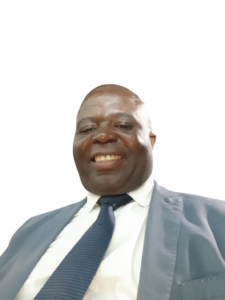
Peter Chibhi

In Masvingo province, the best CEO in terms of giving information to the media is Bikita’s Peter Chibhi who gets 9/10. Chibhi is always forthcoming when the media inquire. He always provides information on budgets, devolution funds, rates among other things. He also gives a comment even on issues which seem to be sensitive or even negative to him as an individual or to the local authority as a whole. He is one of the few who invite the media when he has done something remarkable. He also gives updates on on-going and finished projects.
Similarly the council Chairperson Benjamin Masakadze is also open to the media. He comments and gives information as required unless on technical issues which he would have to refer to council managers. Masakadze unlike other chairpersons values the media engagement and would be rated at 8/10.
Bikita DDC Hadzirabwi is average in terms of media engagement and often comments but only on simpler issues but is dodgy when it comes to sensitive issues and a 5/10 would suffice for him.

2. Gutu District

Alexander Mtembwa

In second position is Gutu RDC CEO Alexander Mtembwa. Mutembwa is above average and is open to the media. He comments on all aspects of the local authority be they positive or negative. He gives regular updates when asked on the local authority’s budget, projects under devolution funds and road maintenance with funds from Zinara among other things. For that he gets 8/10.
Gutu RDC Chairperson Nicholas Zambara is also among the best chairpersons. He comments and gives information as expected and usually refers technical questions to the CEO. Just like Masakadze, Zambara gets 8/10.
However, the DDC Chiedza Tafirei is among the worst in the province as she barely entertains questions from the media and in most cases refers to the Secretary for Development formerly Provincial Development Coordinator (PDC). Tafirei gets 3/10.

3. Mwenezi District

Albert Chivanga

Mwenezi RDC CEO Albert Chivanga comes third with 7/10. Chivanga is open for interviews and all forms of questions. He gives timelines and progress on devolution funds, projects, budgets and other things. He is usually open to comment on all issues negative or positive.
However, Council Chairperson Jorum Ncube is very media shy. He seems not to have an understanding of media’s role in fostering development and transparency. He is seldom quoted in the media and this gives him 2/10.
The new Mwenezi DDC Nyaradzo Tongofa is not forthcoming in terms of media engagement. Unlike her predecessor Rosemary Chingwe, Tongofa always says she is not allowed to talk to the media and refers all questions to the Provincial Secretary Dr Jefta Sakupwanya. However, Sakupwanya in most cases refers back questions to the DDC saying she is the one on the ground and has more information and often says he is also waiting for reports from there. Because of that, Tongofa gets 3/10.

4. Chiredzi Districts
Ailes Baloyi

On average, Chiredzi District with both the town and rural district councils is the best in terms of information dissemination. Chiredzi RDC CEO Ailes Baloyi gets 7/10. He is very friendly and forth coming when it comes to provision of information to the media. He is always available and has an open door policy.
However, it’s a different case for the chairperson who is ranked among the worst and gets 2/10. The council chairperson Edward Matsilele is very media shy and seems not to understand how the media works. He lacks simple public relations and is seldom quoted in the media. Matsilele always refers questions to Baloyi even those regarding to policy issues.
Chiredzi Town Secretary Engineer Wesley Kauma is slightly above average; he is also friendly to the media though he is rated below his counterpart Baloyi and gets 6/10. Kauma always releases information to do with public funds especially on devolution. He is very cooperative although he sometimes is difficulty especially on issues which are negative in nature, to which he can be hostile.
Chiredzi Town Council Chairperson Gibson Hwende is among the best chairpersons in the province. He is always available for comment and provides all the necessary information as it is needed. This also goes to his deputy Ropafadzo Makumire. Hwende gets 7/10.
The District Development Coordinator Lovemore Chisema is probably the best DDC in the Province and he gets 8/10. Chisema is very open to the media and can entertain the media even after working hours.

5. Masvingo District

Edward Mukaratirwa

Masvingo District with its two local authorities, Masvingo City Council and Masvingo RDC is on average. Masvingo City Council Town Clerk Engineer Edward Mukaratirwa gets 6/10. Mukaratirwa is unpredictable, he comments on most issues but sometimes he is a bit difficult. He has a vacillating character and difficult to predict. He sometimes releases information very well and sometimes he just decides not to.
The City Mayor Collen Maboke has improved over time compared to what he used to do when he first entered into council. He now comments and gives information on almost every aspect related to his office and would refer technical questions to the town clerk and the relevant department.
Another official is the Public Relations Officer Ashleigh Jinjika and she gets 5/10 for only answering calls and referring them forward. She always refers simple questions related to her office to the Town Clerk. She is not in touch with the media and hardly knows a quarter of the local media despite her once being in a newsroom.
Masvingo RDC CEO, Martin Mubviro always asks the reporters to come to Nemamwa saying he cannot give information over the phone. Mubviro is not in touch with the media as expected of him and the local authority seldom invites the media on important events. Because of that Mubviro gets 4/10.
The DDC Ray Hove gets 4/10 though he is similar to Mubviro. He does not usually want to entertain questions via phone and he says he prefers talking face to face despite cellphones being convenient in this era. He is not keen on releasing information on development around the district despite him chairing all developmental aspects in the district. Even when doing face to face interviews, Hove is always dodgy and would never give a comprehensive response.

6. Chivi District

Godfrey Mukungunugwa

Chivi District is among the worst in the province, with the CEO Tariro Matavire getting 3/10. Matavire seldom releases information. He is not forthcoming to the media and it’s very rare for him to invite the media for any development. He rarely releases information on important developments in the district.

The council Chairperson Godfrey Mukungunugwa also gets 3/10. His major undoing is pretending to be busy all the time. He does not pick up his cellphone and when he does, he always says he is busy try again sometime but usually he won’t pick up on the second attempt. When he eventually answers his cellphone, he only wants to comment on positive issues, referring most of the questions to Matavire.

Chivi DDC Innocent Matingwina is a bit better than Mukungunugwa and Matavire so he gets 5/10. He is dodgy on sensitive issues and talks better on positives. He cannot engage the media on his own on whatever developments that take place in the district.

7. Zaka District

The worst district is Zaka. Both the CEO David Batsirai Majaura and the DDC Memory Dhliwayo are difficult. Majaura comments here and there and in most cases he is not keen to release figures especially when it comes to accountability on devolution funds and other council business. Majaura gets 2/10. In most cases he does not answer his cellphone and when he answers, it’s difficult to squeeze information out of him.
However, the Council Chaiperson Cornelius Mapuranga who is the longest serving councillor in the country having been councillor since 1980, usually responds to the media though he is dogdy in most cases. He also refers technical questions to the CEO. Because of that, Mapuranga gets 5/10.
The DDC does not answer her cell in most cases and when she does she will always say she is not authorised to speak to the media despite fellow DDCs from other districts being allowed. Dhliwayo gets 2/10. Dhilawayo at times is very hostile if the media pester for information which makes the district one of the worst in information dissemination.

Masvingo City Council shines at Zimbabwe CEOs Network awards

0

Melinda Kusemachibi

Masvingo City Council hogged the limelight after scooping four accolades at Zimbabwe CEO Network Awards held on February 25, 2022 in Harare.
Mayor Cllr Collen Maboke was the outstanding Mayor winner, Town Clerk Engineer Edward Mukaratirwa won an award of outstanding Town Clerk, Public Relations Officer Ashleigh Jinjika won as the outstanding Public Relations officer and Masvingo City won in the Best Performing Local Authority category.
Maboke said that he would like to appreciate the work done by councillors and said team work is the secret behind the success.
“I would like to thank councilors whom I work with, as I do not work alone. Without these councillors, we would not have won this award, the reason being that we also got an award as City of Masvingo. We continue to encourage each other to work hard for the benefit of residents.
“I was happy when Minister July Moyo came here on Rujeko Secondary School official opening when he commented that we are doing a good job on rehabilitation of roads, building of a clinic which we want to open this month, a school and upgrading a landfill,” said Maboke.
Masvingo Town Clerk Engineer Edward Mukaratirwa said he felt honored to achieve such recognition.
“We feel honoured as an institution and individuals for the recognition. It is a challenge to us to continue being focused and offering best services to the residents and ratepayers of Masvingo,” said Mukaratirwa.
Zimbabwe CEO’s Network is an exclusive CEO peer group organisation that leads opportunities for learning and development for CEOs and Executives.

Brace for a bloody 2023, analysts warn

Brigton Chiseva

MASVINGO – Following recent political violence incidents that claimed the lives of two people and left some nursing injuries in Kwekwe and Gokwe, political analysts have warned of a possible 2008 violence scenario in the run up to the 2023 general elections.
Some have said the recent incidents were a dry run to what is going to happen in 2023 saying there is a possibility of returning ‘fire with fire’.
Great Zimbabwe University lecturer and political commentator Dr Davison Mabweazara Mugodzwa said what happened in Kwekwe gives a gory picture of possible future clashes saying members of the opposition now seem ready to retaliate if they are provoked and this can lead to blood bath.
“People are now fed up with the situation; they are answering to the politics of the stomach. People are hungry and they say a hungry man is an angry man so we are likely to see a repeat of the 2008 situation in 2023,” said Mugodzwa
The Kwekwe incident has been attributed to statements made a day before by Vice President Constantino Chiwenga where he said they will crash the opposition like lice.
Mugodzwa however said people no longer listen to old guys who are in power saying it is the youth who have just learnt to defend themselves.
“People no longer listen to these old rich guys in positions. It is the stomachs that are dictating the pace now. People are hungry and they can do anything to defend themselves. The meeting was sanctioned by the police and some wanted to disrupt it and people retaliated as we all saw,” said Mugodzwa.
Another analyst Dr Wellington Gadzikwa said the Zimbabwean political climate was now charged and something needed to be done urgently to diffuse the pending crisis.
“It looks like the Zimbabwean political climate is highly charged and if nothing is done to diffuse the tensions then worse things could happen. The impending drought and the persistent harsh economic environment could add more propensities for conflict in the political realm. Violence is largely a reflection of endemic poverty as citizens are becoming more politically conscious and feel that the vote will be the panacea to their liberation,” said Dr Gadzikwa.
He went on to say political players should not make statements that influence members to engage in violent behaviour.
“Political players must desist from seemingly inciting and spreading language that encourages conflict or fame elections as a duel or war, they must reign in on their errant members,” said Dr Gadzikwa
Another commentator professor Charles Pfukwa said violence should be condemned at all cost and said what happened in Kwekwe was unfortunate and should be avoided at all cost saying if it is not addressed could lead to serious issues.
“Violence is condemned at all cost and we should let the law take its course. We don’t have to point fingers at each other but make sure we avoid a similar situation and that is everyone’s responsibility. ZEC, political players, the electorate, security forces, the Peace and Reconciliation Commission, the clergy, traditional leaders and everyone else should be involved if we are to end this,” said Professor Pfukwa.
Another analyst who preferred anonymity said the Kwekwe incident was worrisome because of our not-so-good history as a nation which dates back to the 2000s.
“As a nation we have a history of political violence which started in the early 2000s. The violence escalated as time moved on and the 2008 era was the peak. So what happens is if these guys in power feel threatened from their opponents they pretend to have lost control of their supporters who would then cause violence,” said the analyst.
The analyst further said another worrisome issue is the bulge of unemployed youths who are excitable and can be easily manipulated, aggravated by the growing cases of drug abuse and drug trafficking, which were not as popular in previous years.
“We have a high number of unemployed youths now who are excitable and can easily be manipulated. In 2008 drug abuse was lower compared to now and you can see the worry we have if something is not done,” said the analyst.
Human rights activist and Director of the Zimbabwe Peace Project Jestina Mukoko echoed the same sentiments on drug abuse saying unemployed people were being lured into violence for a container of Chibuku beer.
“The police memo from the Kwekwe incident proves that the accused people are unemployed, that tells us that they are being abused for beer and other small tokens which they accept with the intention of fending for themselves and their families. However, money with blood is not good,” said Mukoko.
She went on to say if perpetrators of violence are not arrested then the country is going to witness more cases of violence which she said would only benefit the parties aligned to the perpetrators.
“If the constitution is not respected and the accused don’t get punished, we are likely to see more as it benefits those in power. This incident will make people afraid to associate with the opposition though the constitution guarantees freedom of association,” She said.
She warned political leaders against inciting statements that are likely to cause violence saying people should be aware that beneficiaries of violence do not mobilise their children towards harm’s way.
“People should know that these guys do not mobilise their children to perpetuate violence but other people’s and they should not be tricked into violence. The leaders are supposed to avoid using inflammatory language when addressing people which can incite the public,” she said.
Youth Decide Director Learnmore Munhangu said a repeat of 2008 or worse is inevitable unless something is done saying the way other leaders are delivering toxic speeches in front of their supporters could perpetuate a bloody election period.
“Basing from reports which are in circulation, it’s very clear that we are heading towards a replica of the disastrous 2008 situation. The socio-political environment is spiteful. All political players are aggressive and some seem to almost equal in terms of support base.
“Some leaders are delivering toxic and malevolent speeches in front of supporters as a way of perpetuating violence and if that continues, bloodshed is inevitable,” said Munhangu
National Peace and Reconciliation Commission (NPRC) Spokesperson Obert Gutu said as a commission they condemn any form of violence and said there should be peace always, election period or not.
“I cannot prophesy if there will be violence in the upcoming election or not but as a commission we are against violence all the time and all generations be it election time or not, let there be peace every time,” said Gutu.

Former Gweru mayor appeals car case to high court

Tinaani Nyabereka

Former Gweru mayor, Josiah Makombe has approached the High Court on his case regarding the council pool car he allegedly took with him after being recalled late last year.
Makombe, through his lawyer, Ephraim Ndlovu of the Mabhundu and Ndlovu Law Firm said he was sent home when he went to the magistrates’ court as the prosecutors were still studying the police docket.
No charges were levelled against Makombe, TellZim News has established.
Ndlovu said as Makombe’s defense counsel they came over with the intention to challenge the placement on remand of their client as the case was purely a civil matter which required a clear explanation of a resolution.
“We were told to appear in court today. We came and were told that the officials were still studying the docket. What transpired is that, a clear resolution was made by council that Makombe was set to purchase the US$176k pool car at book value by the end of his term of office. What then happened was that he was recalled. So all this happened while he was waiting for council to forward him the book value resolution of the car so that he buy it in compliance with the resolution that council passed but council never did that.
“We only got a letter two days ago citing the return of the vehicle as saying he did not complete his constitutional term. So we have forwarded a letter to High Court seeking clarification about the constitutional term of office regarding this matter,” said Ndlovu.
Gweru Residents and Ratepayers Association (GRRA), Conerlia Selipiwe said as residents they were happy with the recovery of the vehicle.
“As residents we are equally happy with the development because we feel the car is now in safe custody while the matter is being looked at.
“What still worries us as residents is why he (the former mayor) refused to return the vehicle when he left office after he was recalled. Yet that same car made problems again when former Town Clerk, Elizabeth Gwatipedza was dismissed from office. This simply shows an element of selfishness at the expense of service delivery,” he added.
Makombe was recalled by the Douglas Mwonzora led MDC -T party last year after pledging allegiance to rival opposition Citizen Coalition for Change (CCC) leader Nelson Chamisa’s then MDC-Alliance.
Gweru council sought the intervention of the Joint Operation Command (JOC) to retrieve the vehicle from Makombe accusing him of holding on to the vehicle.

Zanu-PF MP, councilor clash over donations

…Svuure claims he is the only one with right to source donations

Melinda Kusemachibi

Zaka Central Member of Parliament Davison Svuure left villagers shocked after he blocked food aid donations sourced by ward 13 councilor Manfred Mada meant to benefit villagers, claiming that he was the only one with the right to source such donations, a move some said is a bid to consolidate his position as the front runner for the 2023 harmonized elections.
Mada said Svuure went further to write a letter to the District Development Coordinator (DDC) Memory Dhliwayo dated February 22, 2022 instructing him to stop the donations.
“I however have reservations over the activities of one Tzuchi Foundation, an affiliate of Miriro Trust for which I apparently happen to be a Founding Board Member. I noted with concern as I have observed this organization being hijacked by Mr Manfred Mada, its local representative, and transformed into a campaign vehicle in pursuit of his political aspirations.
“Mr Mada happens to be the councilor for ward 13 in Zaka Central Constituency, a known political activist and an aspiring candidate for the forthcoming House of Assembly elections. Mr Mada coordinates the activities of Miriro Trust/Tzuchi Foundation and he has literally transformed this organization into a vehicle for his political expediency,” read part of the letter by Svuure.
The letter went on to stipulate that volunteers are being used as campaigners in different wards.
“I have seen the sprouting up of unsanctioned programmes across the constituency which initially started in wards 13 and 15 but now spreading to ward 19 and others. I have also noticed an establishment of campaign agents disguised as volunteers who have been set up in the above mentioned wards. Their real purpose has remained a guarded secret but they masquerade as community workers. This group of so called volunteers ironically now brooding discontent because of these recruits are of an antagonistic, vindictive and disloyal personality who are undoubtedly poised for a confrontation and have lately been causing problems especially on input distribution programmes, which have been characterized by looting, especially in ward 19,” the letter read.
However contacted for comment Davison Svuure said he had no comment over the issue.
“I have no comment on that. Besides, l have a way of addressing that and other issues that pertain people that vote for me like you say and I do not believe doing that through the press is the best,” said Svuure.
Mada said that Svuure was frustrated as villagers claimed that he has done nothing towards development of the constituency since he was elected MP.
“I have a donor named TzuChi Foundation from Taiwan, an organization which has a well signed MOU with the government that was giving the villagers rice and other things, so this frustrates MP Svuure as the villagers are complaining that he has done nothing towards development of the constituency as compared to me. This led him to write a letter to DDC blocking people from receiving food aid. When l tried to talk to the DDC she said she will not get involved because its politics,” said Mada.
Efforts to get a comment from Dhliwayo were fruitless until the time of publishing.
It is said that Mada is eying Zaka Central constituency come 2023 hence the clashes with Svuure.
This is not the first time the two have clashed as they once clashed in 2021 when councilors demanded accountability from Svuure for the 2020 Constituency Development Fund (CDF). It is reported that Svuure accused Mada of having no knowledge on how CDF works.

PVO amendment bill ‘authoritarian’-NGOs/CSOs

0

Rutendo Chirume

Non-Governmental Organizations (NGOs) have labeled the Private Voluntary Organizations (PVO) amendment bill as a piece of legislation which government wants to use in order to enforce authoritarian rule and thwart dissenting voices.
These CSOs feel that the Bill does not meet standards and best practices for the exercise of freedom of expression, free association and right to privacy.
Zimbabwe Human Rights NGO Forum Executive Director Dr Musa Kika said the bill poses a needless threat to the work of CSOs, ultimately affecting citizens who are the prime beneficiaries of their work, and limiting the strength of democracy.
“The PVO Amendment Bill is in stark contradiction to the values of an open and democratic system. Worse still, it goes against the very mantra of Zimbabwe is open for business. How can Zimbabwe be genuinely open for business when it is closed for civic space and collective citizen action? Who invests in a country where whole institutions can be rearranged in this fashion?
“The Bill and its intended purpose are not fit for purpose; government should take an evidence risk-based approach to work with CSOs deemed at risk of money laundering and terrorism financing, not this blanket approach that will hurt citizens who benefit from NGOs and the economy. In any event, Zimbabwean NGOs have never been at risk nor a risk when it comes to money laundering and terrorism financing,” said Dr Kika.
Youth Decide Zimbabwe (YDZ) director Learnmore Munhangu said government has tried for the past years to suppress democracy and this bill will be used as a weapon against the law to eliminate citizen participation and humanitarian work by civic societies.
“The PVO Amendment Bill is like a stress reducent pill. Instead of focusing on reforms and pro-citizens realignment of the constitution, government is now proposing an impediment tool. We consider the PVO Amendment Bill a way to eliminate effective participation of citizens in civic society and humanitarian work. Over the past few years, we witnessed an exponential increment in levels of suppression, regression of democracy and weaponisation of the law against dissenting voices.
“The civic society used to play a very key role in exposing the ills and advocating for constitutionalism. This is an attempt to silence dissenting voices and further step towards authoritarian rule while protecting the elite at expense of national interests and general populace. As youth, we are in contrary to the Bill and we encourage youth to attend the hearing sessions which are underway so that our voices can be heard,” said Munhangu.
Zimbabwe Democracy Institute (ZDI) research director Patience Sibanda bemoaned lack of information in citizens regarding the bill and said it is meant to shrink the democratic space and clampdown on CSOs.
“Parliament has not done enough to educate citizens on the PVO bill. Are the citizens aware of what it entails or its being forced on them? The bill will limit operations of CSOs particularly those operating as watchdogs and advocating for a just and fair Zimbabwe. They are limited to being guard dogs. The bill undermines democracy and imposes unfair restrictions,” said Sibanda.
Recently, parliament went on a nationwide consultative process in form of public hearings on the Bill.

Media practitioners ‘sceptical’ about PVO amendment Bill

0

Fredrick Moyo

Media practitioners in Masvingo have expressed scepticism about the Private Voluntary Organisation (PVO) Amendment Bill saying the bill’s vagueness may present problems to free expression of ideas in the long run.
Speaking during a Caucus discussion organised by the Media Institute of Southern Africa (MISA), media academic Dr Last Alfandika said government is not being fair in terms of advocating for democracy and the bill has hidden issues that will be a challenge to some organisations that support media operations as this will kill the energy media has had over the past years.
“Government is not being fair because if we talk in terms of democracy, the bill is not actually going to star for democracy because it is dealing with the PVOs yet the media are not part and parcel of the PVOs, they are a business which is owned and controlled.
“One issue that is hidden is that the bill is going to create challenges for organisations which support the media and those organisations which fall under the Media Alliance of Zimbabwe are going to be stifled and controlled in such a manner that they will not be able to support journalism in Zimbabwe which means issues of media reforms and media activism are not going to be pushed with the vitality we have seen in the past years and that is the major issue which is going to happen to the media if the bill passes to be a law,” said Dr Alfandika.
He also added that the bill is vague as it does not fully state how the PVOs are not supposed to impede in politics whereas the PVOs work directly with politics and it is hard to separate the two.
“The other issue is that the bill itself is vague especially when they are saying the PVOs are not supposed to interfere with politics, PVOs work with politics directly so if we are saying they are not supposed to interfere with politics what are we saying? Are we saying that people are not supposed to be taught politics? Politics bring in democracy, so if they are not supposed to interfere with politics, which politics?
“So let the bill be clear and say is it international politics, at what level, what they mean by interfering. These issues need to be ironed for the media to safeguard the gains that we have had for the past years,” added Alfandika.
Trust Rukwava a journalist in Masvingo said the PVO Bill limits the activities of organisations that represent journalists and it gives much power to the minister in charge.
“The bill limits the activities of organisations which represent journalists and concentrates too much power on one person that is the minister. Its definition of political involvement is vague since one who represents the interests of journalists as the fourth estate can be easily classified as a political activist and it also reduces sources of revenue for media since the same PVOs whose activities want to be trimmed, are also major advertisers in the media.
“In short it is more retrogressive than progressive. It is high on diagnosis but low on prescription. It is a give and take situation in which the same freedoms which have been given through the repealing of draconian laws which governed the activities of the media can be smuggled back just through the use of controversial clauses and jargon within the bill,” said Rukwava.
MISA Zimbabwe Masvingo Advocacy Committee chairperson Passmore Kuzipa said the bill has some positives and negatives and much noise should be done on the negative impacts the bill has.
“The bill has both negatives and positives and we need to make noise on the negative so that they are corrected before the bill is passed into law. One major concern is that there is too much power given to the minister responsible to decide or judge and instead of giving too much power to the minister the bill should use the normal court procedures. The bill must not be vague, it should be very clear what they mean when they are saying involvement in politics. It should be clear in terms of defining the involvement they are relating to when they say political involvement rather than leaving it as it is because it becomes vulnerable to abuse especially by political figures,” said Kuzipa.
The government gazetted the PVO Bill on November 5 2021, stating that the bill seeks to help the country comply with recommendations made by the Financial Action Task Force (FATF), to streamline administrative procedures and allow for the efficient regulation and administration of PVOs and also to prevent PVOs from undertaking terrorism.

Masvingo PVO Amendment Bill hearing prematurely abandoned

0

Thabiso Nxumalo

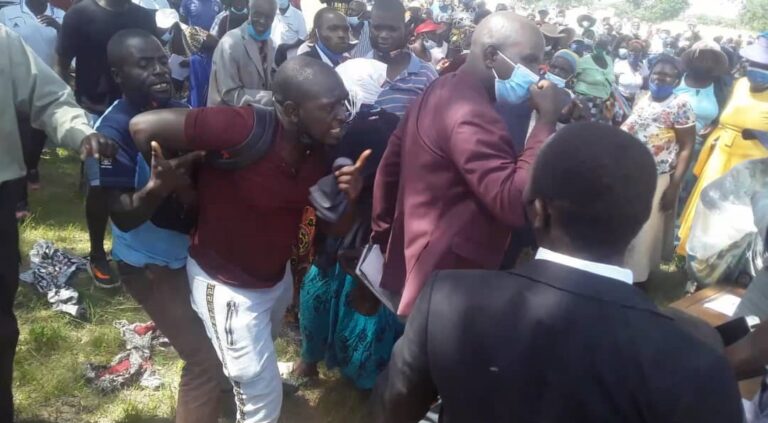
The only public hearing for the Private Voluntary Organizations (PVO) Amendment Bill for Masvingo province ended prematurely on March 1 after violence erupted between some participants who began to fight, accusing each other of having sponsored views on the contentious bill.
The Parliamentary Portfolio Committee on Public Services, Labour and Social Welfare had to abandon the venue as attendants started fighting during the hearing, clashing over split views along political ideologies.
Though a mixed bag of views, most attendants raised a NO vote to the bill and the few that consented to the bill were considered sell-outs thereby sparking a squabble within the group.
Before being pulled aside by security for being partisan, one participant who out rightly claimed to be from the Douglas Mwonzora-led MDC-Alliance said the bill was good for him and likened the bill to a house-keeping measure.
“I am an MDC-Alliance supporter and as such I see the bill as a general housekeeping precaution. No one can just come to our household and start operating without making themselves and their intentions known to us and in that spirit, we do not want a case whereby we groom terrorists in our own backyard,” said the participant.
One Gutu United Residents and Rate Payers Association(GURRPA) member said Zimbabwe as a nation is not at a stage where it can sustain itself and as such must give well-wishers in the form of Non-Governmental Organizations (NGOs) a comfortable space to operate in-order to complement government efforts.
“We as a nation cannot sustain ourselves without any help from these NGOs, so as such. I do not know why they should be given a tough time in trying to assist us survive,” said the member.
Gutu resident, Tatenda Zambara said if PVOs are genuinely seeking to help the public without any affiliations, there is no need for panic because this is just a measure to monitor and not to block them.
“Why are PVOs running amok and crying foul because this Bill just serves to monitor the sector and not to obliterate them?
“If we leave them be without monitoring, we risk having terrorist groups that are funded right below our noses. This is just for national security and besides every house has their own rules and this is our rule as a nation, even super powers like the United States of America have such laws that govern PVOs,” said Zambara.
Women Coalition of Zimbabwe (WCoZ) Masvingo Chapter chairperson Joyce Mhungu said the Bill is not citizen friendly and hearings should have been held in both rural and urban setups in Masvingo.
“For full effectiveness, these hearings should have covered both the rural and urban populace and a lot of pre-emptive knowledge should have been shared to the public before these hearings because most of the participants showed lack of knowledge about the bill,” said Mhungu.
With participants sharing a cocktail of views on the bill and affiliating them with their political parties stand points, a fight broke out as Tatenda Zambara said amidst the crowd were youths bussed and bought by HEAL Zimbabwe to come and cause commotion and voting NO against the Bill.
“There are NGOs that are not for development in the country and as we speak, they sent some youths present today to come and disrupt this meeting.
“They have been sent by organizations such as HEAL Zimbabwe, so to that regard I wish that this bill will sail through parliament,” said Zambara.

ZEC concerned over politically motivated violence

Fredrick Moyo

The Zimbabwe Electoral Commission (ZEC) says it is much concerned over the recent cases of politically motivated violence that has resulted in loss of human life as has been reported in the media.
In a statement released on March 3, 2022, ZEC chairperson Justice Priscilla Chigumba said the commission strongly condemns and abhors acts of violence which negatively impact the electoral environment as the country head towards the March 26 by-elections.
“The Zimbabwe Electoral Commission is concerned over cases of politically motivated violence recently reported in the media and is especially saddened by resultant loss of life during a rally held in Kwekwe and extends its deepest condolences to the bereaved family.
“The Commission condemns and abhors in the strongest terms such as acts of violence which have the effect of marring and negatively impacting the electoral environment in build up to the by-elections set for the 26th of March 2022,” read part of the statement.
Chigumba went on to say that it is intimidating that such acts of violence are taking place despite the commission’s appeal to political parties to adhere to the code of conduct.
“It is disheartening to note that such acts of violence are taking place notwithstanding the commission’s plea at a recently held Multi-party Liaison Meeting where political parties were advised to adhere to the political parties’ code of conduct,” added the statement.
The commission said it will not stop its calls for tolerance by political parties and stakeholders and urged political parties to deal with office-bearers, members and supporters who contravene the code of conduct.
“The commission would like to reiterate its calls for tolerance by all political parties and election stakeholders and urges all political parties as well as candidates to adhere to the code of conduct and also implored political parties to discipline their office-bearers, members, supporters and candidates who contravene the Code and the laws of the land.
The commission urged those victims of electoral and politically motivated violence to report such cases to the police and the Zimbabwe Human Rights Commission for investigation and redress as it is everybody’s responsibility to promote an environment conducive to hold free and fair elections.
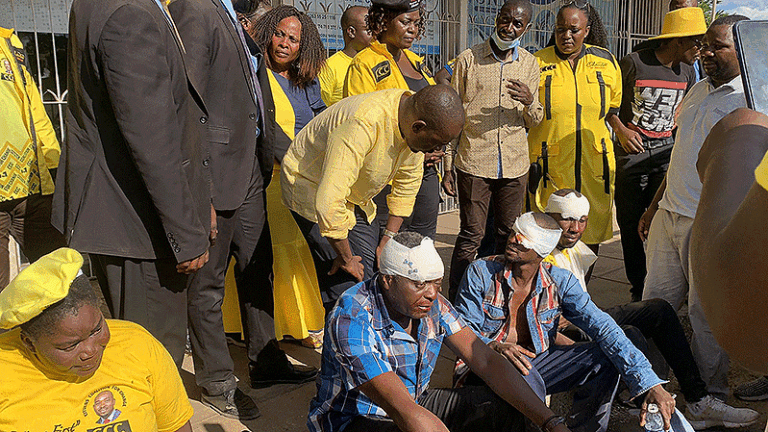
Recently, police in Gokwe used water cannons, teargas and batons to disperse a gathering of Citizens Coalition for Change (CCC) supporters and in Kwekwe a CCC supporter was stabbed to death while others were injured when suspected armed ZANU PF activists stormed a rally at Mbizo 4 Shopping Centre.

CCC Kwekwe rally attack: Five remanded in custody

Staff Reporter

Kwekwe-Five of the 16 suspects arrested in connection with the violent attacks of supporters at the Citizens Coalition for Change (CCC) by-election rally held on February 27 in Kwekwe were on March 1 remanded in custody to March 15 2022.
The suspects reportedly attacked a number of the CCC supporters with machetes and spears during CCC party leader Nelson Chamisa’s address of the gathering.
The quintet of Edmore Shoshera, Albert Maketo Tembo, Percy Mukwaturi, Talent Imbayago and Panashe Makuvaza initially appeared before magistrate Florence Nago who remanded them in custody to March 15.
The other 11 suspects were discharged as investigations continue.
According to a memo which was released by the police, the attacks were perpetrated by some alleged Zanu PF activists. Circumstances given reveal that the gang stormed the rally armed with spears and machetes before attacking supporters while Chamisa was addressing.
Following a police report, 16 suspects were arrested while alleged ring leader Kennedy Simbi is said to be at large and several machetes were recovered in the cars of the suspects.
Among those arrested were Takunda Chivenyengwa (21), Isaac Tapfumaneyi (37), James Jere (28), Musa Matingwende (32), Shepard Mbewu (44), Progress Munyuki (30, Amon Kwachata (50), Edmore Shoshera [Alias Masparrow] (30), Edmore Shoshera [Alias Masparrow] (30), Albert Maketo Tembo (29), Fraud Munyuki (29), Blessing Tomu (18), Perscy Mukwaturi (38), Sydney Samanyayi (29), Valentine Mandizvidza (21), Mischeck Mutetwa (32) and Talent Imbayago (28).
The suspects were accused of murdering 30-year old Mbizo man Mboneni Ncube who was part of the CCC supporters.
Shoshera, Tembo, Mukwaturi and Shamanyayi have since been identified as Zanu PF card carrying members and police investigations were underway to ascertain the owners of vehicles which were used to ferry them to the venue.
“One of the now deceased, Mboneni Ncube was stabbed thrice with a sharp object on the back and died upon admission at Kwekwe General Hospital,” the memo read.
The party has since confirmed that 22 of its members were admitted at Kwekwe General and Topomasi hospitals.
The Zimbabwe Peace Project (ZPP) in a statement said it noted with grave concern, gross incidents of political violence and the use of state security agents to suppress and violently disrupt opposition political campaigns.
“ZPP is disturbed by the growing incidents and notes with regret the loss of life and about seven citizens who have been seriously injured.
“These incidents have a serious bearing on the credibility of not just this year’s by-elections, but on the entire electoral environment. During the weekend there were various bloody attacks against Citizens Coalition for Change (CCC) supporters in the Midlands province,” read the statement.
In his condolence message to the Ncube family, Chamisa said no life was meant to be lost on accounts of political differences.
“No life should be lost on account of political differences. We stand in solidarity with the Ncube family. Mboneni was attacked with a spear. He was just trying to start a life.
“Why? Because of politics, because of impunity, because certain political leaders in Zanu PF are being allowed to turn Kwekwe into a terror zone,” said Chamisa.
He further urged his supporters not to be provoked saying the CCC party had chosen the highway to freedom on a platform of peace.
However, the number of deaths from the attacks has reportedly risen to two after the other victim of the attacks is reported to have died in hospital.