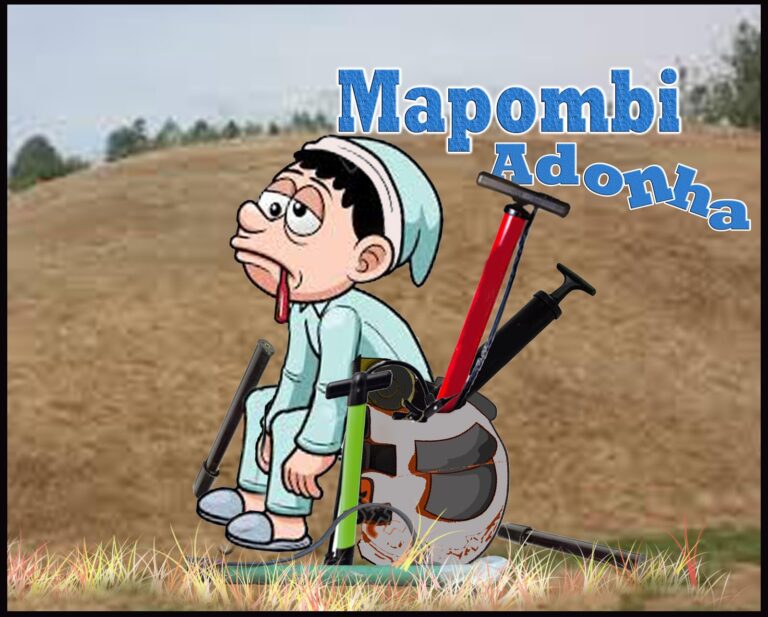
Mwari huyai vanhu venyu vatanga, they were quiet when Covid-19 was ravaging the country but now vadzokazve vaakuda kubira varombo. These man of the cloth mmm. Mapombi was baffled and stunned to hear the type of miracles and deliverances dzaakuitwa nana Fredy. This guy wema spiritual spectacles mmmm ayisarendi. I heard delivered a woman through poop, sure mukadzi mukuru kutodzikisa nekutonona kwakutoita pamberi pevanhu mmmm. Let’s be careful ladies and gentlemen, tikasangwarira these guys muchanzwa aakutengesawa kkkkk. It is not surprising to hear those selling anointed faeces kkkk. I thought akapedzwa nemuramba svina when they destroyed his church paya but mmm he doesn’t learn. Birai vanhu mari in other ways not humiliating us women like that puuu. Let us agree that she had stomach problems, but why posting that on social media, ma spiritual spectacles aisaona here zvizoitika zvekuti maimuendesawo somewhere private.
Anyway, let’s talk about better things tisiyane nana T-Freddy. Mapombi thinks this UN rapporteur was Alena uyu was misled chete, with these 2 weeks dzaakagara ange atoona how the ordinary people were being affected, why didn’t she come here at Chitima akazotaura neni woman to woman ndakamuudza chakonzera musoro kutema. I hear mafindings were announced during her meeting nana Biti meaning their input was not included kkkk. But at least she talked to you, what about us the ordinary vacho. I am not saying sanctions are not affecting the citizenry so get me right there maCdes, what I am saying is, pane zvimwe zvakasara zvaasina kuburitsa. She is right on the need for dialogue and the need to observe the rule of law. But pama sanctions apo mmm. Which criteria did she use to find the results, I qualitative or quantitative, is it Bodmas or Bomdas. Sanctions are hurting us yes but most of us cannot even explain how they’re being hurt. Tine kamwe kanhu katiri kuona katoziva tese kari kukonzeresa, its CORRUPTION. Yes, everyone knows that corruption is eating us alive but. Chete corruption yacho yava pese pese especially mumaNGOs umu mmmm, makaipa. Corruption is killing Zimbabwe varume lets not hide behind fingers, zvimwe zvese zvozouya later.
Sanctions should go yes but the challenge is that it’s not in our hands, if it was taingoti army kombai tirove kkkkk. Corruption and sanctions are almost similar but tikabata musiyano wazvo tobatsirika. Let’s stop corruption, we are not the only country with sanctions but others are doing so well under them. Let’s face the devil we all have the capacity to deal with. Even Nkosana Moyo said it, hanzi why putting energy on things that is beyond our control. Why majoring on sanctions which we have no capacity to remove. Let’s concentrate on corruption, nepotism. Those are the low hanging fruits which we can simply pluck off. Bureaucracy is another cancer which needs to be addressed, kutoona DA chaiko unoita kunge uchanzi apply first kkkk. Ndozviri kuuraya Nyika izvozvi not sanctions. But Why is Jonso talking about sanctions of late, I don’t trust that guy just like Mthuli.
But you guys from opposition, please stop kagame kenyu kekuti kana munhu asungwa over corruption and abuse of power charges then you go and represent them, after that you come to rallies and tell us that Zanu PF is corrupt. You are accessories in the corruption because we have wanted the likes of anaChombo nana Muzembi to be behind bars but they are out because of you.
I like the momentum ine Mukomana these days, that is encouraging, zvekuzoti aida kupfurwa nepfuti was it true or it was drama? I really don’t know, what I can only say to the youngman is that he has to continue moving around meeting people. It gives them hope which has been lost since 2018. However, I want to also advice the young man to make sure that they make structures kumaCell. Why not borrow a leaf from Chief Shumba’s song inonzi musangano wakasimbira kumaSero. I don’t agree with Zanu PF on many things but ine kamwe kakurongeka so which cannot be explained but it’s for their own good not the people. So, don’t misquote me, kurongeka kweZanu helps it to retain power, which is exactly what MDC is lacking. Kwedu kwanaChirimudombo nekwaMuchekayaora hakuna macell for MDC not even one. Even if you want to join, unotoshaya kuti wondoona ani sure? There are plenty of people who want to burn Zanu PF regalia but kwekupisira havana.
However, kana tazogara, let’s not be blinded by the crowds being pulled by the youngman paari kufamba because what is important is the result. 2023 will define. People are almost getting tired of promises dzekuti tiri kupinda musingapinde. Pulling crowds in streets does not translate into votes; the election is only won in the ballot, tichikura we used to say romance haina mwana. It’s important though and pulling crowds is a good sign but tikagumira ipapo Zanu PF will rule until madhongi amera nyanga as has been said by the Jenarari paRutenga apa, register to vote and stop mobbing Chamisa in the streets.
Speaking of Rutenga, Mapombi wanted to go there and see the factory yemukumbi which was being commissioned but she couldn’t afford. I just saw the SUV Convoy which brought Masvingo to a standstill nekureba kwayo. Mmmm others are living life maCdes isu tichirarama Upenyu kkkkkkk, imagine if we sell all those fuel guzzlers and replace them with light vehicles how many clinics will the government construct? I heard the mukumbi processing plant will also process oranges, water melons, tomatoes among other things during Mapfura offseason. That is good and we need more of these small factories in rural areas, but that is if it not ending at commissioning. This is what these guys are good at, commissioning things but that never kick off. Good policies but no implementation. Vision 2030 kkkk nothing is being done to achieve it. The funny party is most of these guys whom you hear talking about it do not even know what it means. A lot of Zanu PF members and supporters and other none supporters do not even know what an upper middle class economy is like but they shout it every day kkkkkk.
Before I go zvangu kunokanga maputi agu for lunch, I hope Zanu PF people will heed to the president’s call to make sure that Pfumvudza inputs are distributed on merit not on partisan grounds. I heard he told people in Mwenezi that all those who have dug makomba avo should get the inputs and ini ndikuidawo, I have a few holes here near Mucheke river.
Ko nhai Oppah Muchinguri Kashiri ari kupi, i hope she is well wherever kwaari, I am sure she now knows that Covid-19 has nothing to do with sanctions after all. Ko Mboko howfar, I hear Kasukuwere is planning something and I think Mboko is also in the game, Mboko imboko!!!!