Home Blog Page 79

Women demand seat on Chiefs’ Advisory Council

By Brighton Chiseva

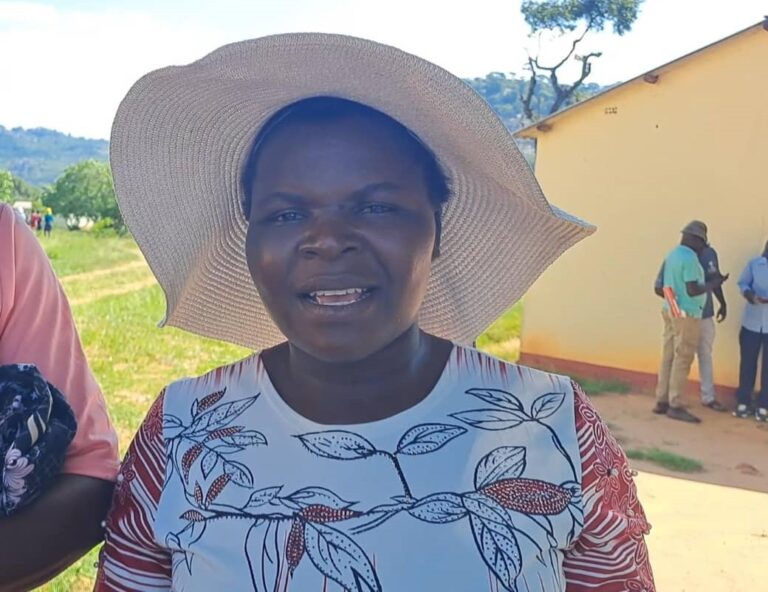
BIKITA – Women in Bikita are demanding a seat at the chief’s table as part of the advisory council to represent their interests and break down the barriers that have historically excluded them from decision-making processes.
Women who spoke to TellZim News during the International Human Rights Day Commemorations held at Chikuku Vocational Training Center on December 11, organized by the Catholic Commission for Justice and Peace (CCJP) in partnership with the Zimbabwe Human Rights Commission (ZHRC), Zimbabwe Peace Project (ZPP), and the Zimbabwe Gender Commission (ZGC), said women had already proven that they are good judges, as many of them were magistrates, judges, and lawyers, and could also be judges and advisors at traditional leaders’ courts.
Pauline Pasipanodya, who stays in Chief Mukanganwi’s area, said it was not fair for women to stand trial in front of an all-male panel of judges from the chief’s advisory council and that the inclusion of women would make the court more accommodative.
“Imagine you are a woman and you stand before 10 or more men, each one asking questions. It’s so intimidating and not fair for women. We urge traditional leaders from the village head level to include women as judges because they would understand fellow women more than men do,” said Pasipanodya.
She said they were in the process of submitting their call to the chiefs in the district and hoped they would implement it as a matter of urgency.
Pasipanodya praised CCJP for enlightening the community on conflict resolution and human rights, saying they were now aware of their rights and that had reduced the number of human rights violations in the area.
Another local woman, Chipo Muteiwa, said through interventions by organizations like CCJP, they were aware of their rights and no longer felt inferior as women.
“We no longer feel inferior; we now know that we can play equal roles with men. Some time ago, fellow women would label anyone who wants to lead as someone of loose morals, but now they know, we even compete for posts at various levels with men.
“So, the area which is still lacking is that of traditional courts; men still feel we cannot take positions there, but I want to assure them that we can, and it’s good for us as women,” said Muteiwa.
Respinda Shindi from Ward 31 said women constituted a larger number compared to men, so it was unfair to leave them out of any sphere of society. She argued that traditional leaders’ courts needed female representation, as women understood the challenges faced by fellow women better than men.

Desperate Mthuli turns to 539 betting outlets for money to fund Govt

By Perpetua Murungweni

Desperate Finance and Economic Development Minister Professor Mthuli Ncube recently introduced a 10% withholding tax on betting houses in Zimbabwe, in a bid to fund government from 539 betting houses licenced in Zimbabwe.
The Zimbabwe Lotteries and Gaming Board (LGB) indicated in their 2024 strategic plan meeting, held on December 4, 2024, that they had managed to license over 500 gambling outlets in Zimbabwe to ensure compliance.
This number suggests that the government is poised to make significant revenue from the tax as more people frequent betting houses due to the challenging economic situation.
“In 2024, we had targeted the issuance of 535 licenses, but by now we have issued out 539 licenses, which is not really scary and it’s within our target. As the lotteries and gaming board, we are charged with the responsibility to license all those interested in pursuing gaming activities, such as sports betting, lotteries, and casinos.
“As we are doing that, we are guided by the philosophy of gambling density, where we monitor the number of entities or gaming activities within any geographical space so that we don’t end up exposing our general citizenry to gambling hubs by unveiling unnecessary access to gaming activities,” said LGB interim secretary Dr. Misheck Chingozha.
The board acknowledged challenges in regulating online gambling and expressed hope that a statutory instrument would be in place by 2025 to address this issue.
“In view of the advent of technology, there is some proliferation of illegal activities, and we are falling short in terms of online gaming. Currently, our legislation doesn’t address this, but efforts are underway. We have sent our principles to cabinet in August and they have since been approved. It’s work in progress, and we are hoping that by the first quarter of 2025, at least we will be having an (SI) that will help us to deal with such illegalities,” said Chingozha.
Speaking at the event, Deputy Minister of Home Affairs and Cultural Heritage Chido Sanyatwe encouraged the board to develop strategies to ensure compliance and adherence by gaming operators.
“I call upon the board to intensify their strategies that enhance compliance with the gaming industry’s framework. The strategies must ensure strict adherence and compliance by all operators in the industry. This must be controlled and balanced with the growth of revenue collection, protection from gambling harm, and social responsibility,” said Sanyatwe.
Sanyatwe also urged the board to implement strategies that promote responsible gaming practices to protect players and control operator density to limit overcrowding of gambling services.
“Strategies that enhance responsible gaming practices and protection of players should remain top agenda of this board. Such policies and strategies should not just be window-dressing policies to tick your compliance boxes but reflect commitment to the protection of players. Intensify the control of operator density to limit overcrowding of gambling services to the detriment of other social and economic obligations of the citizens,” said Sanyatwe.
She reminded the board that gambling is closely associated with drug and substance abuse and that the board must develop strategies to mitigate this risk.
“The board is reminded that drug and substance abuse is closely related to gambling, and the strategies must reflect how this regulatory authority is going to mitigate this risk,” said Sanyatwe.

Mapombi mourns Mphoko

0

Ladies and gentlemen the festive season is upon us, the December winds are already upon us, let’s drink responsibly and please stay off the road if you are drunk. We have better things to die of not dying in car crashes caused by human error. It’s better to die of hunger or Mthuli’s tax anozongoonana naMwari kudenga than cutting our lives short by drinking and driving. I hope the Traffic Safety Council will bring me an award, chero rotten bananas and tomatoes kuno kuChitima ndinotambira hangu because I have just put out the message they want out there. I also urge you to make sure that you share whatever little you have when you go for holidays. We should also spare a thought for our elderly kunana Mucheke Old People’s Home and orphans kunanaAlfa Cottages, kuChambuta I think kuri covered zvako. Civil servants we know mari ishoma so please spend wisely, remember schools are opening in January. Chete zvakafanana because all sane people are struggling and the ones without hearts are enjoying. Vari kudya pachavo havo while we are struggling to get a single decent meal per day, ko tingadii, ours is a Private Limited company and we are all lodgers in this teapot country that’s why vene vari kudya havo.
I heard Justice Mayor Wadyajena is on the list of those who want to be ZACC commissioners kkkk, what a joke, it’s like Chidumo and Masendeke applying to be police officers or magistrates, it can’t and it just can’t. The problem is with the ones who shortlisted him, otherwise he should just be with fellow colleagues Mike Chimombe and Mpofu and we all know why he is out. They are vying to get to the most useless commission which blows millions of money without a single conviction and they are allocated another grant in the 2025 budget, what for? Wadyajena is very corrupt and if given a chance he will loot ZACC yacho and take it to Gokwe. Chete the system is the most corrupt entity and they want people like him, he is now mature and has table manners that’s why he has been quiet for some time hake. But iyo ZACC yacho is just a joke zvayo, two women were arrested in Zaka for several allegations but ZACC yacho is failing to provide evidence on the alleged crime. How many times should we tell ZACC to investigate to arrest not arrest to investigate? The way I know Zanu PF, it’s not surprising to see him getting the post, Zanu PF hairase vana vayo, that’s how they operate, ukabhaiza you will be told to keep quiet a bit and return kana waakukwanisa kudya wakanyarara. Who thought Chivayo would resume gifting cars to people when he was banned at State House? That was just a disguise kuvhara isu kunge we care, they ended up having meeting at Ba 2’s private residence. Nhamo, we don’t even care chero mukadii, time shall come, hakuna asingafi.
Anyway, this week I don’t have much to say, I just want to mourn my friend Mphoko in peace. May his soul rest in eternal peace. I wish I could pray to God that he gives him 2 more years. I am sure my friend is serving as a reminder to all those in Zanu PF that we all die, rufu doesn’t know that you once stayed at Meikles Hotel for months on tax payers’ money. Kunonzi zvako wafa wanaka but to be honest, Mphoko was one of the few Zanu PF stalwarts who had table manners, he knew how to eat quietly and the only time he spoke was when he was reprimanding our own Prof Zvobgo saying there was no first or second vice president kkkk. He said he was equal to Ba 2 kkkk. He also opened his mouth when he reprimanded Ba 2 following the poison issue. The world will surely miss Mphoko’s groundbreaking contributions to the field of doing absolutely nothing productive during his time in the presidium. Rest in peace to a life that was truly lived to the fullest, life of doing absolutely nothing. That is why I loved him, he had no time for drinking aphrodisiacs like his successor Campbell Dugish. Go well our hero!! Your loyalty to Gushungo is so remarkable, you decided to follow his footsteps and refuse national hero burial. Hope it was his decision kuramba kuenda paChikomo or else it’s just the family speaking on his behalf. I am just sad that Mphoko passed on before I convinced him kunogara zvake nhaka to the First Widow Dr Gire. Look guys, if he had agreed I don’t think we could be seeing sex tapes of the former First Son. Those youngsters are getting wayward because there is no father figure at home. Hameno, maybe since 2028 is around the corner and Ba 2 will soon leave office, I guess he will take in the family, remember he is the one who used kuenda nezvitsamba kuna Dr Amai when he was still uncle Bob’s errand boy.
I would be charged if I do not talk of the Zifa pending elections. I just want to urge the councilors to vote wisely for the betterment of our football. They should avoid a repeat of when they voted Felton Kamambo and everyone ended up saying Captain Fiasco was better. What I just know whoever will get the post should be ready for the task, we do not want chancers, I know some of you like Papa but manje if he wins who will take our sins to Israel? Themba has what it takes but I am just afraid about Susan Mutami’s warning, hanzi more kids will come from there.
Before I go zvangu kunokanga maputi angu for lunch, I want to know if anyone has a clear idea of what is happening kumusangano unoyera, uchatoonga, ugotoongaa, uchingotoongaa, vanovukura, vachingovukura? Kkkk zvakazoenda nepiko I nolonger hear that slogan, people are busy trying to topple each other, the latest being Paradza and Bootlicker-in-chief Tinoda Machakaire, if he is still one. Vari kunzwanana masimba, they are testing to see who is closer to Mdara than the other. Hanzi dzuvura ndimbonanzvavo shangu dzaBaba. Regerai vakomana munoremara. I don’t know hangu if Machakaire is relying on all this but I know the young man is relying from the latest appointed Minister, you all know him, ndiye waari kutemba naye so let’s just watch the space and brace for a memorable ride as the factional or fictional fights in Zanu gather momentum. Forgive me my readers, out of respect of the dead, today I am not going to say mboko imboko!!

Illegal vendors threaten viability of Chesvingo Safe Market

By Perpetua Murungweni

Informal trading around the Chesvingo Safe Market is reportedly impacting the viability and economic stability of the newly opened market, pushing many women who are supposed to benefit from it back onto the streets.
One of the implementing partners behind the market, International Labour Organization (ILO) Senior Communications and Information Management Officer Mutandwa, said they had observed low occupancy of tables and a lack of participation by women, prompting investigations into the cause.
“We have observed that there is low occupation of tables in the market and a delay in the uptake of vacancies at the ECD center, as beneficiaries are not generating enough income. The market is supposed to accommodate 80 vendors, but so far, it only has 65 vendors. Discussions are already underway on how to address this because the center was primarily built to support childbearing-age women and as a community service. However, it has to generate revenue to sustain itself, or it will collapse,” said Mutandwa.
Chesvingo Safe Market Chairperson Blessing Mutume praised the implementing partners but cited competition from vendors outside the center as one of the reasons for the low uptake of market services.
“The project has helped us a lot, and we no longer have to worry about our young children, as the market is designed to accommodate them at the ECD center while we are working. However, some women hesitate to take up spaces here due to stiff competition from those operating outside the market. Those who have taken up spaces, as you can see, have very few products to sell because they are afraid of incurring losses,” said Mutume.
Ruth Matiyashe, one of the beneficiaries at the market, said illegal vendors operating outside hindered their ability to make profits.
“Illegal vendors selling outside the market and offering the same products threaten our businesses and income. They sell their goods at lower prices that we cannot compete with because they don’t pay rentals,” said Matiyashe.
Everjoy Hokomurimwa also raised concerns about illegal vendors and appealed to the council for assistance.
“We plead with the council to intervene and remove illegal vendors from the streets because they are making money at our expense. Business here is slow and painful. Vendors operating outside the market are making more money than us,” said Hokomurimwa.
The Chesvingo Safe Market is a key initiative under the Sustainable Enterprise Development of Women and Youth (SEDWAY) Project. It is the result of a collaborative effort by the African Development Bank (AfDB), the Government of Zimbabwe, the ILO, and the City of Masvingo.
Launched on July 11, 2024, the Chesvingo Safe Market aligns with the ILO’s mandate to promote decent work and sustainable development while supporting the Government of Zimbabwe’s National Development Strategy 1 (NDS1), which emphasizes inclusive economic growth. The initiative also reflects the AfDB’s priorities to promote gender equality and economic empowerment.
In addition to vending stalls for women and youth entrepreneurs, the market features a pre-school and a Gender-Based Violence (GBV) survivors’ center, strategically placed to provide care for the children of vendors while they conduct business.

ZHOCD sees progress in public institutions’ support for PWDs

By Beatific Gumbwanda

CHIREDZI – The Zimbabwe Heads of Christian Denominations (ZHOCD) recently reported significant improvements in the inclusion and accessibility of public institutions for People with Disabilities (PWDs).
These findings were shared during a feedback meeting held at the Methodist Church’s John Wesley Society.
ZHOCD is an umbrella organization that unites various Christian denominations in Zimbabwe, including the Zimbabwe Catholic Bishops Conference (ZCBC), Evangelical Fellowship of Zimbabwe (EFZ), Zimbabwe Council of Churches (ZCC), Anglican Church in Zimbabwe, Methodist Church in Zimbabwe, Apostolic Faith Mission (AFM) in Zimbabwe, and the Evangelical Lutheran Church in Zimbabwe. The organization has been running capacity-building workshops for PWDs to strengthen their engagement with public institutions and improve their welfare.
Speaking at the meeting, Chiredzi District Social Worker Tichaona Chivave highlighted notable progress in the government and public institutions’ efforts to support PWDs. He cited the establishment of disability desks in various government offices, new building plans that include accessibility features such as ramps, and tax exemptions for private companies employing PWDs as positive steps forward.
“There is significant improvement in the inclusion of PWDs across institutions. Every school is being encouraged to equip itself to educate children with various conditions, though the process is still ongoing. The government is also offering tax exemptions to private companies employing people with disabilities, and local authorities are approving plans for public facilities to include ramps, which is a major improvement,” said Chivave.
Chivave also encouraged PWDs to remain organized and informed to ensure equal access to available benefits.
Another participant, Asual Chikandiwa, noted advancements in employment opportunities, stand allocations, and the establishment of disability desks.
“We have seen progress as companies are now employing PWDs, like myself, who is employed at Tongaat Hulett Zimbabwe. We are also receiving stands like everyone else, and disability desks have been introduced in various public institutions,” said Chikandiwa.
Susan Machingura also acknowledged the changes and shared her experience regarding stand allocations. She revealed that consultations with the Chiredzi Town Council resulted in assurances that PWDs would receive their fair share of stands.
“We consulted the Chiredzi Town Council about stands, and we were assured we will get our quota. However, we are required to pay for their value,” said Machingura.
Tapiwa Shumba from the United Chiredzi Residents and Ratepayers Association (UCHIRRA), who coordinated the meeting, shared plans to assist PWDs in acquiring stands.
“We engaged Chiredzi Town Council to use plough-back funds to subsidize the cost of stands for PWDs so they would only need to pay 50% of the total value,” said Shumba.
The feedback meeting demonstrated collective efforts and progress in ensuring that PWDs are included in the development of public services and infrastructure, while also highlighting areas requiring further action.

DACT joins national Tree Planting Day

By Rangarirai Shanyurai

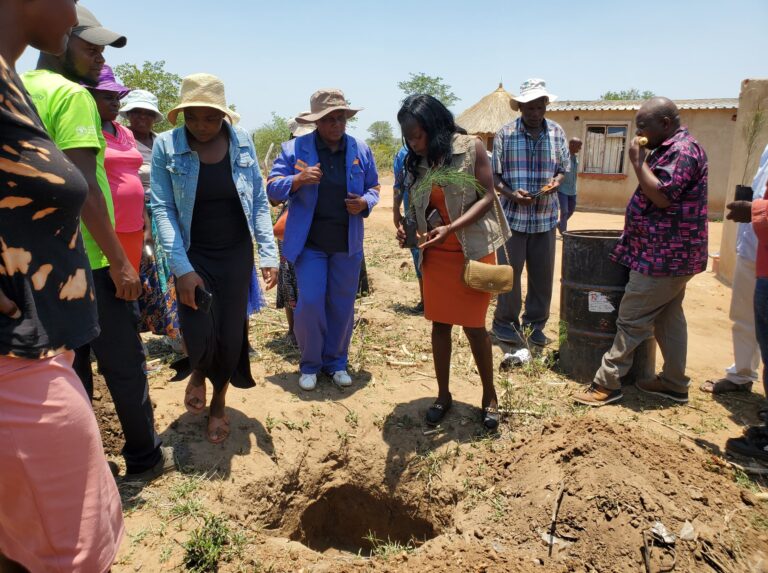
The Disability Amalgamation Community Trust (DACT), an organization of people with disabilities based in Masvingo, recently joined the nation on National Tree Planting Day and planted 53 beefwood trees in Mushandike Village 13 on the first Saturday of December, the annual national tree planting day.
The trees were donated by the Forestry Commission in its quest to promote afforestation to mitigate climate change and serve other purposes.
National Tree Planting Day is the Forestry Commission’s flagship campaign and is set aside to motivate the nation to plant and conserve trees, enlighten the nation on the importance of forest and woodland resources, enhance biodiversity, household food security, and mitigate the impacts of climate change.
Speaking at the event, DACT Director Henry Chivhanga said the Forestry Commission recognized them as an Organization for PwDs and gave them trees.
He said they would be champions of tree planting and each member of the organization was going to plant at least three trees at his or her homestead.
“This gesture from the Forestry Commission acknowledges our request for trees to plant on National Tree Planting Day. The organization has made it a requirement for individuals to graduate with a Master Farmer certificate. Everyone is expected to plant at least three trees at their homes.
“As 17 Persons with Disabilities (PwDs), each of you will receive three beefwood trees as a step toward mitigating climate change. We want these trees to serve as carbon sinks in our community as we contribute to the national effort in addressing climate change,” he said.
He said initially they wanted fruit trees but they had run out in the commission’s stocks and opted for the beefwood trees, but the commission had promised to provide the fruit trees once they stock the nursery.
“We initially wanted fruit trees but the Forestry Commission was unable to provide them. However, the manager assured us that he would supply them. He also emphasized that we are now interconnected and pledged that DACT would be involved in every National Planting Day,” said Chivhanga.
Speaking at the same event, Nyengeterai Chirume from the Forestry Commission emphasized the importance of tree planting for climate change mitigation and promoting the Quinine tree as the tree of the year.
“We are providing beefwood trees to you as Persons with Disabilities (PwDs) to plant as a way to mitigate climate change in the coming years. A tree planted today can become a forest tomorrow. Tree planting is not solely the responsibility of the Forestry Commission; it is a collective duty. We must ensure that individuals are planting their own trees every month because these trees provide us with oxygen.
“As we can see, many trees are being cut down, leaving us vulnerable to rainfall issues. Deforestation also causes soil erosion, but if we had more trees, everything would be better managed,” said Chirume.
This year’s tree planting day was running under the theme, “Trees and Forests for Ecosystem Restoration and Improved Livelihoods,” and the tree of the year was the Quinine tree (Mukashu), which is valued for its medicinal benefits.

COLLECTIVE ACCESS-A PIE IN THE SKY FOR PEOPLE WITH DISABILITIES IN ZIMBABWE

0

By Aribino Nicholas

Upwards of a million people in Zimbabwe have disabilities that are varied in outlook. Having a disability in Zimbabwe comes with a bundle of challenges that further compound the participation of people with disabilities (PWDs) in their day to day lives. The challenges that emanate from having a disability can be associated with both internal and external factors. Internal and external factors can either make or break the spirit or resilience of PWDs. It is the intent of this opinion piece to major on discussing how external factors have complexified the lives of people with disabilities in Zimbabwe. External factors that stand in the way of PWDS combine to deny them opportunities for collective access to services, products, programmes, projects, employment, education, entertainment, health care, tangible and intangible resources and political participation.
Collective access is problematic in Zimbabwe in every facet of the concept. For example, a school in Zimbabwe may be said to be inclusive, but this inclusivity will just be physical. Physical access without epistemic access cannot complete the whole puzzle of collective access. For instance, a deaf child may be enrolled at a regular school, the act of enrolling the deaf child may signify physical access, but if the teachers and children in that school cannot use sign language for the purpose of knowledge distribution and dissemination within and without the classroom, the school environment will lack collective access. Most mainstream schools in Zimbabwe have enrolled deaf children but their typical students and personnel cannot use sign language. This act of enrolling children with diverse requirements without the necessary paraphernalia and personnel to manage them is not Inclusive Education but dump streaming. It is dump-streaming because the students who come to a mainstream school with extra needs that cannot be meaningfully met in such a setting end up like Alice in Wonderland, alone, confused, mesmerised, dumbfounded and perplexed. Another example is that of students with visual impairment in mainstream schools who have not found any solace in such settings because teachers and other children are ill-equipped to use Braille to communicate with them.
The public space of schools aside, this writer has also been touched by the lack of collective access for PWDs in private spaces like food courts, eateries and some social places that lack collective access despite the Disabled Persons Act 1992 having a provision on the issue of accessibility of physical infrastructure. In some private spaces, some of which were recently built, to get to a point of service delivery, one must navigate a bank of stairs, which is a herculean for wheelchair users. The lack of universal design in private spheres that serve the people of Zimbabwe is a recipe for access and treatment discrimination. For example, a wheelchair user who may want to use a toilet may need to be lifted by other people to access the toilet will feel embarrassed, because the lifting of a person may approximate indignity and loss of confidence. Some high-rise buildings do not have lifts, but just a bank of stairs. Wheelchair users may be denied opportunities to access services, goods and products in those high-rise buildings. Collective access is critical for embracing every citizen in terms of participation, business, education, health care, employment, politics and movement. In terms of business, the production and distribution of condoms have also not come with collective access, especially for people who are blind as their instructions are not in Braille. The boreholes that are drilled in both urban and rural areas need a lot of physical stamina to be useable; children, old people, wheelchair users and those with muscular dystrophy cannot easily use them. Collective access is also problematic when it comes to electoral processes-polling stations, ballot papers and other materials that are not in accessible format for blind people, polling staff that are not conversant with either sign language or Braille.
In my survey with colleagues in different disability groups the following government buildings were cited as being inaccessible to wheelchair users;
• Benjamin Burombo building in Masvingo town only has a bank of stairs from the ground floor to the last floor
• Wigley house -Provincial Education offices in Masvingo have no lifts
• Gwanda Registry not universally designed
• Beitbridge Registry no collective access
• Mount Darwin District government complex no ramps
• Masvingo Post office has only stairs that complexify the lives of PWDs.
Buildings aside, the government of Zimbabwe over space and time has procured ZUPCO buses that are inaccessible to wheelchair users. Combis and private cars are also not adaptive fit for wheelchair users. In-toto, it can just be said that the transport system in Zimbabwe is not universally designed for PWDs in general and wheelchair users in particular. It is important to appreciate and understand that Zimbabwe has created an opportunity economy for hustlers because of its formal economy that has tanked; hustling requires people to move from point A to B. PWDs have families to look after and they are involved in eking out a living through hustling, how then can they move from point A to B when the transport system is just meant for the typical people? The United Nations Convention on the Rights of Persons with Disabilities (UNCRPD) 2006, under Article 29 asserts that PWDs have a right to participate in the public affairs of their countries Without collective access Article 29 will just resemble a pig’s tail that covers nothing. Furthermore, Article 9 of the UNCRPD 2006 also talks about universal design and the normative practices in Zimbabwe at the material time seem to be at odds with universal design.
Collective access will also remain a pipe dream for children with disabilities because of the perennial delays in the disbursement of the basic education assistance module (BEAM) to special schools. The delay in the disbursement of BEAM has derailed a lot of programmes and projects in special schools. For example, special schools are not having money for sporting activities, look and learn visits, food and nutrition security. Lack of collective access for PWDs in general and children in particular creates barriers to being and becoming. State and non-state actors should regard disability as a natural meeting ground for social protection, stimulus packages, co-decision making and programming so that collective access becomes a low hanging fruit for all and sundry.

N.B Views and opinions expressed in the article below are solely the owner’s and do not represent any organisation

Schools should teach using indigenous languages

By Virginia Njovo

Minister of Primary and Secondary Education (MoPSE), Torerai Moyo, has urged schools to teach using indigenous languages from Early Childhood Development (ECD) as a way of safeguarding African cultural heritage, which he said is under threat from Western ideologies.
Moyo was speaking at Sikato Primary School in Masvingo, where schools from three provinces—Masvingo, Manicaland, and Matabeleland South—are part of a pilot project themed ‘Safeguarding the Intangible Cultural Heritage in Basic Education in Zimbabwe’.
The project, which is also being implemented in Namibia, is supported by the Belgian government in collaboration with UNESCO.
Moyo emphasized that using indigenous languages in schools is crucial for protecting African pride and complements MoPSE’s Heritage-Based Curriculum, which aims to produce primary and secondary school graduates who are fit for purpose.
“Schools should teach learners using local languages in every subject so that we uphold and uplift our heritage, which is our pride. In China, all classes are taught using their language; we can also do the same from ECD,” said Moyo.
He added that teachers need in-service training on heritage to ensure they are equipped to provide informed and effective heritage teachings.
“Our teachers need to be equipped well so they will be able to teach learners in areas they have knowledge of, so they should get in-service training,” said Moyo.
The minister also said that teaching heritage would equip learners with skills and values to sustain themselves after school, emphasizing the need for a collaborative approach between learners and teachers to achieve the intended goals.
“As we saw during the exhibition, learners are engaging in fish farming, poultry, piggery, and the harvesting of indigenous herbs. This shows that these children are being capacitated, and even after school, they can make a living,” said Moyo.
His deputy, Angeline Gata, who was also present, underscored the role of the community in safeguarding intangible cultural heritage, which she said is even greater than that of teachers.
“I encourage elders in the communities to include children when engaging in sacred practices rather than sending them away. They need to see how things are done in our culture because no one can beat you for being yourself. It is up to you to be who you are.
“We have different cultures that need to be preserved. Teaching children how to cook our indigenous food properly and informing them about the nutritional benefits of local foods are important aspects of preserving our heritage,” said Gata.
Sustainable Development Goal 4, target 4.7, emphasizes improving the relevance and quality of education by supporting the transmission of living heritage to younger generations. Incorporating living heritage into the Heritage-Based Curriculum helps contextualize learning and ensures cultural continuity.

New mother’s waiting shelter for remote Zaka clinic

By Virginia Njovo

Villagers from Zaka South breathed a sigh of relief after receiving a fully equipped mother’s waiting shelter from SolidarMed at one of their local clinics, following years without an operational facility.
Chiredzana Rural Health Centre, established in 1963, serves a catchment area of approximately 13,000 people. Expecting mothers previously had to travel nearly 35 kilometers to Mashoko Hospital after the old structure was condemned for being sub-standard, which resulted in a number of them either giving birth at home or on the way to the clinic.
Speaking to TellZim News during the commissioning of the shelter and nurses’ quarters on November 30, Ward 31 Councillor Tumai Madzikona highlighted the difficulties women in his area endured. He noted that they had to walk long distances when due for delivery, risking the lives of both mothers and their unborn children.
“Women from my area used to go to Mashoko Mission Hospital, approximately 35 kilometers via the main road or about 25 kilometers using shortcuts, which took around four hours. This was a difficult situation for expecting mothers. Most of them ended up giving birth at their homesteads, which is risky for both mother and newborn,” said Madzikona.
SolidarMed, a non-profit organization operating in Masvingo Province—covering Zaka, Bikita, Chiredzi, and parts of Masvingo District for over half a century—specializes in HIV, maternal and neonatal health, non-communicable diseases, adolescent health, oral health, and digital health. The organization injected US$55,000 to construct a mother’s home, which can shelter six mothers at a time, as well as staff houses.
Memory Zhou, an elderly woman from Ward 31, expressed relief that the maternity home will easy the burden on their community. She explained how it eliminated the fear of young mothers enduring long waits far from home during delivery.
“Young mothers used to go as far as Mashoko or Msiso to wait for delivery, which worried us as elders. We were often unable to see them regularly, and it was difficult to bring them basic necessities. Now, we are happy and appreciate those who made this waiting home available,” said Zhou.
Another villager, Nelisa Kunodziya, added that the shelter would significantly reduce the risk of mothers giving birth on the road while en route to the hospital.
“Waiting mothers were at risk of giving birth on their way to the clinic, especially first-time mothers, as they often miscalculated their delivery dates. The shelter will help us avoid such scenarios,” said Kunodziya.
SolidarMed Project Coordinator Justin Mahuni commended the engagement of stakeholders, which he described as key to the project’s success.
“We actively engaged a diverse range of stakeholders, including our primary partner, the Ministry of Health and Child Care (MoHCC), local government—who own the facility—as well as community leaders and residents. They all showed remarkable commitment and active participation throughout the process,” said Mahuni.
Mahuni expressed high hopes for the project’s impact on improving maternal health services and reducing home deliveries.
“We aim to improve maternal health services and increase health awareness within the community. One of the key outcomes we expect is a significant reduction in home deliveries, as more mothers will use the mother’s waiting home and associated healthcare facilities.
“We hope to see measurable improvements in maternal health, as the waiting mothers’ home will provide a safe and supportive environment, leading to better health outcomes for both mothers and their newborns,” said Mahuni.
Chiredzana Clinic averages five deliveries per month, with one or two deliveries occurring weekly. The new mothers’ waiting shelter accommodates up to six mothers at a time, both before and after delivery.
Maternal health remains a critical issue in Zimbabwe, especially in rural areas where many mothers face unsafe delivery conditions. Greater attention is needed in remote areas to address maternal health challenges.

The decomissioned mother’s waiting shelter structure at Chiredzana clinic in Zaka

Juvenile Delinquency: A Theological Discourse

0

By Rev Dr Isiah Dhliwayo

The phenomenon of juvenile delinquency has become a pervasive and intractable issue in contemporary society, precipitating a plethora of deleterious consequences for the individual, family, and community. As the theologian, Karl Barth, once stated, “The Church must not only speak of God, but also speak to God” (Barth, 1936). In this sense, the Church must not only address the issue of juvenile delinquency, but also seek to understand its underlying causes and provide a comprehensive and efficacious response.
The biblical account of human nature, as exemplified in the narrative of the Fall, posits that humanity is inherently prone to sin and rebellion against God (Genesis 3:1-7). As the philosopher, Jean-Paul Sartre, noted, “Human beings are condemned to be free; because once thrown into the world, they are forced to choose” (Sartre, 1943). This fundamental flaw in human nature, coupled with the influence of societal and environmental factors, can precipitate a trajectory of delinquent behavior in juveniles.
Research has identified a plethora of factors that contribute to the etiology of juvenile delinquency, including family dysfunction, poverty, peer influence, and mental health issues. As the sociologist, Émile Durkheim, noted, “Social solidarity is the bond that unites individuals and groups in a society” (Durkheim, 1893). The absence or dysfunction of these relationships can precipitate a sense of alienation and disaffection, leading to delinquent behavior.
Furthermore, the biblical account of the human condition emphasizes the importance of community and social relationships in shaping individual behavior (Acts 2:42-47, 1 Corinthians 12:12-31). As the philosopher, Martin Heidegger, noted, “Being-with-others is a fundamental aspect of human existence” (Heidegger, 1927). The breakdown of these relationships, coupled with the influence of negative peer groups, can contribute to the development of delinquent behavior in juveniles.
In response to the issue of juvenile delinquency, the Church must adopt a comprehensive and multifaceted approach that addresses the spiritual, emotional, and social needs of juveniles. As the theologian, Dietrich Bonhoeffer, noted, “The Church is not a community of the perfect, but a community of the forgiven” (Bonhoeffer, 1937). This approach must be grounded in a biblical understanding of human nature and the importance of community and social relationships.
Firstly, the Church must prioritize the development of healthy familial relationships, providing support and resources for families to nurture the moral and spiritual development of their children. Secondly, the Church must foster a sense of community and belonging among juveniles, providing positive peer relationships and social connections that promote prosocial behavior.
Finally, the Church must address the spiritual needs of juveniles, providing a clear and compelling presentation of the gospel and the transformative power of the Holy Spirit. As the theologian, Karl Barth, once stated, “The Gospel is not a message of moral improvement, but a message of salvation” (Barth, 1936).
In conclusion, the issue of juvenile delinquency is a complex and multifaceted problem that requires a comprehensive and theological response. By grounding our understanding of human nature in the biblical narrative, and drawing on the insights of philosophical scholars, we can develop a nuanced and effective approach to addressing the spiritual, emotional, and social needs of juveniles. As the Church, we must prioritize the development of healthy familial relationships, foster a sense of community and belonging, and address the spiritual needs of juveniles, providing a clear and compelling presentation of the gospel and the transformative power of the Holy Spirit.