
By Staff Reporter
MASVINGO – Ropafadzo Apostolic Church, one of the many apostolic sects, celebrated its 20th
anniversary at its headquarters in Masvingo’s Victoria Ranch, marking two decades of a journey
that began with a reluctant call, endured years of resistance, and has now grown into a
transnational ministry with 50 branches across Zimbabwe, Botswana, South Africa, and
Namibia.
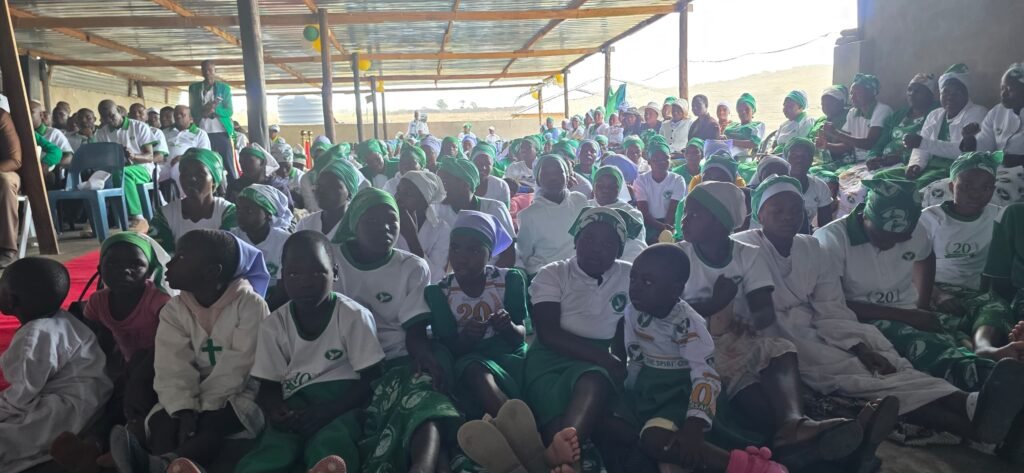
The colourful event, marked by poems, songs, and testimonies, brought together leaders from
various apostolic sects and other churches, all gathered to celebrate not just survival, but
transformation, a deliberate break from the stereotype that apostolic and African Indigenous
Churches are poor, backward, and disconnected from modern development.
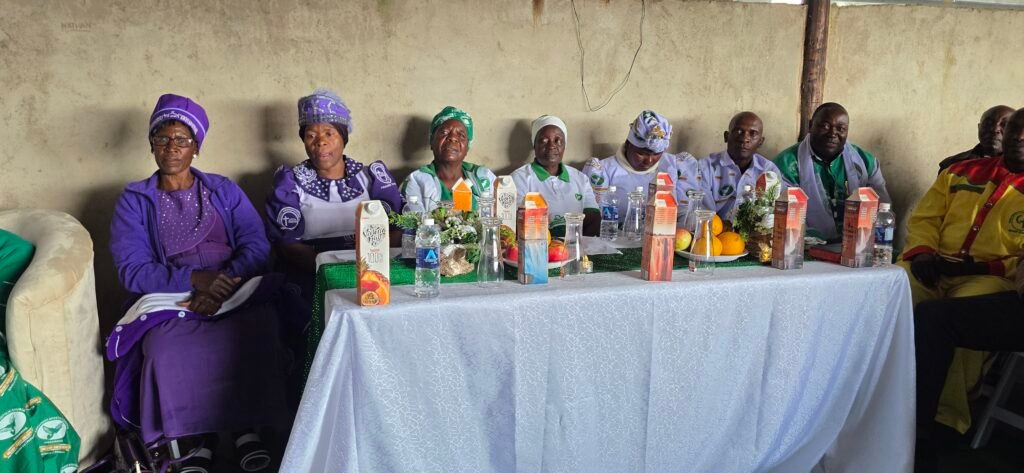
The church founder, Archbishop Michael Maredza, chronicled his remarkable journey, narrating
how he first received a calling in April 1996, when God told him to form a church and name it
Ropafadzo.
Born in Zaka, in Maredza Village under Chief Bota, and a product of Chipfuti School, Bishop
Maredza had been baptised in 1993 in the Zion Apostolic Church. He later joined Chiedza
Apostolic Church, where he received a prophecy that he would one day become a church leader.
That prophecy, however, did not prepare him for the intensity of the calling that would come in
April 1996, a calling he resisted for nearly a decade.
“I received the calling in April 1996, but I resisted for several years. Every attempt to avoid the
call was met with misfortune. I faced dismissals at work and other challenges, all pointing to the
fact that I should obey God’s command,” Said Archbishop Maredza.
It was not until 2006 that he finally surrendered, forming Ropafadzo Apostolic Church. The first
Sabbath service was held on Mangwandi Mountain in Masvingo Town, a humble beginning that
eventually grew into a church with branches across the region.
“When I finally formed the church in 2006, we went nearly two years without growing. The
breakthrough came later, and now we have branches across Zimbabwe, Botswana, South Africa,
and Namibia,” he said.
Unlike the common perception of apostolic sects focusing solely on prophecy and spiritual
healing, Ropafadzo Apostolic Church has taken a bold step into education, establishing two schools,
Chipumho Secondary School in Zaka South, Maredza Village, established in 2021, and
Ropafadzo Primary School in Chirumhanzu, Ward 10, Juru Business Centre, established in 2022.
.Speaking to TellZim News, the church’s Education Secretary, Forward Musemburi, said the
schools represented a deliberate shift away from the old tradition where African Indigenous
Churches were known only for prayer and poverty.
“Our role is not only preaching the word of God but also helping the needy. Bringing schools to
marginalized communities is a positive step in the right direction because once a community is
educated, it becomes easy to develop. We also urge other sects to invest in education,” said
Musemburi.
He added that the church was ambitious and wanted to establish more schools across different
areas while growing and modernizing the existing ones.
Musemburi emphasized that Ropafadzo Apostolic Church was working hand-in-hand with the
government to build schools and ensure that children receive quality education and gain
employment opportunities.
“Our schools encourage practical subjects, and we have trained teachers who are passionate
about their work. Even though our schools are in rural areas, we also encourage technology
studies,” he said.
He thanked the government and local Members of Parliament for their support. At Chipumho
Secondary School, electricity has already been connected this year, a major milestone for the
rural institution. At Ropafadzo Primary School, the process is at an advanced stage, and the
church expects electricity to be connected at any time.
“We want to thank our government through our MPs for the support. Electricity changes
everything — it opens doors for computer studies, evening classes, and modern teaching
methods,” Musemburi said.
The church has appealed to well-wishers, businesses, and development partners to support its
education initiatives.

