
By TellZim Reporter
DURBAN, South Africa — Civil society groups from across Southern Africa have called for greater transparency and accountability in the mining sector, demanding that the region’s mineral wealth translate into decent jobs, local industrialisation, and tangible benefits for communities where resources are extracted.
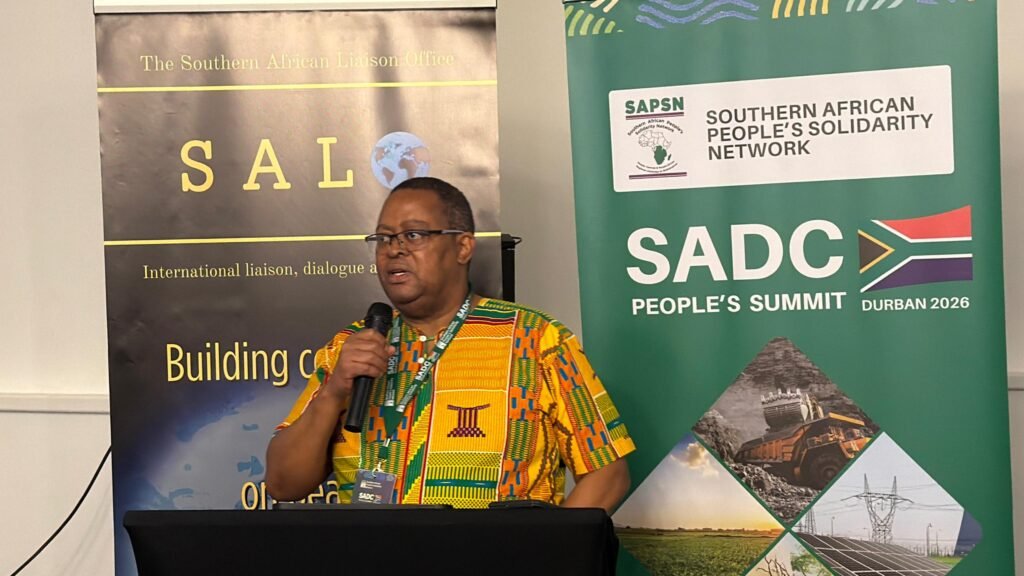
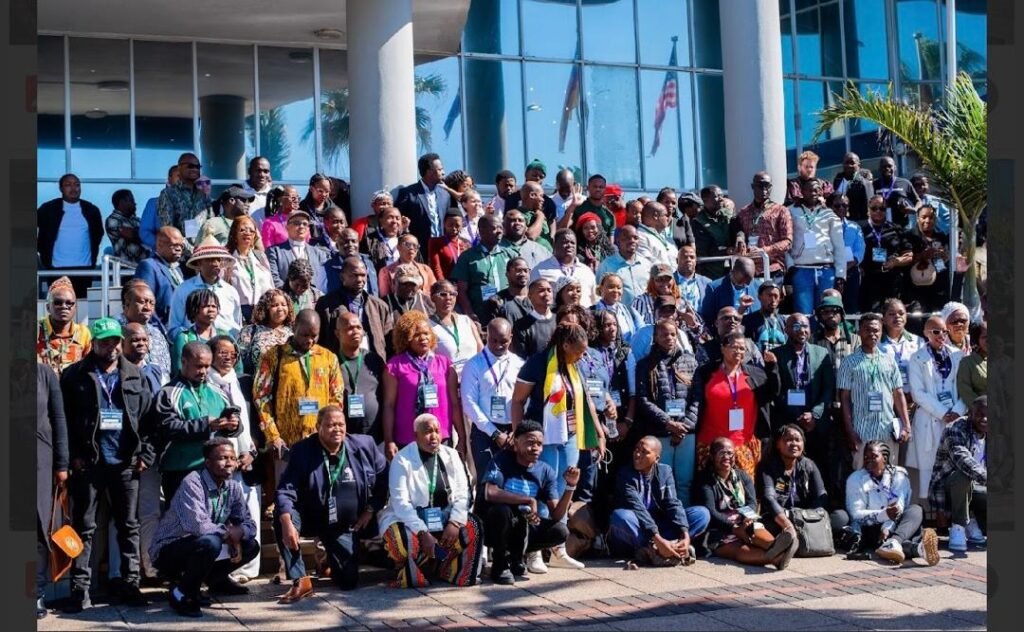
The call was made at the just-ended 2026 SADC People’s Summit in Durban, convened by the Southern African People’s Solidarity Network under the theme, “The people’s SADC: strengthening people’s solidarity in a polycrisis of debt, inequality, conflict, extractivism and climate change.”
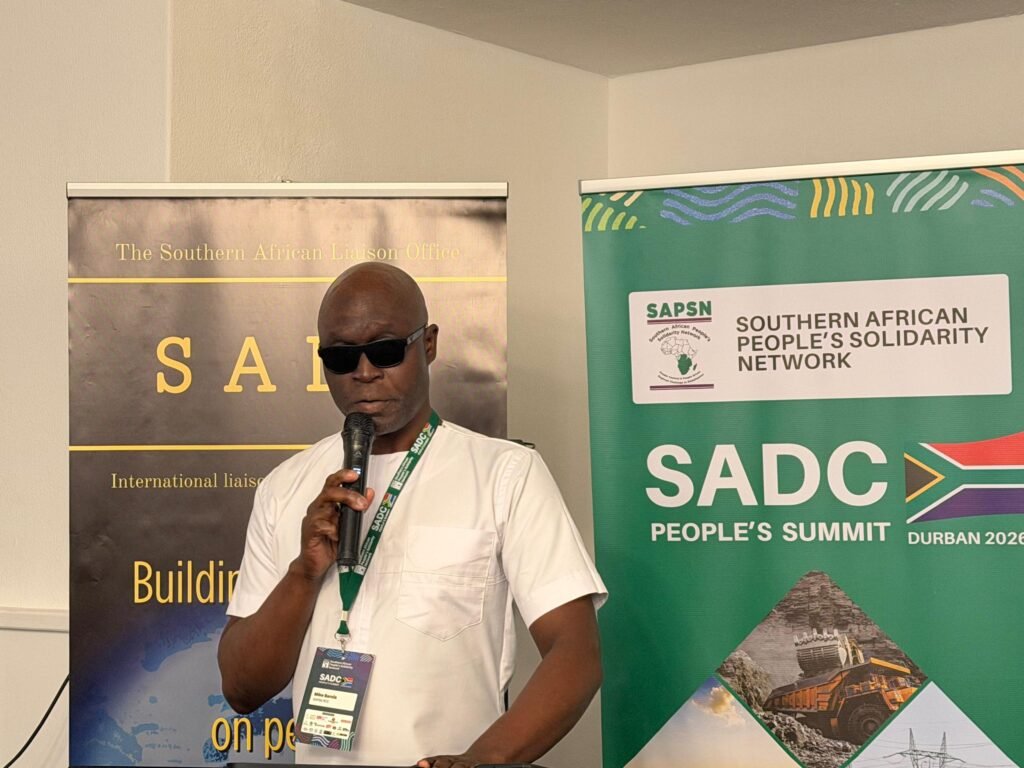
In a communiqué to SADC Heads of State and Government, representatives of social movements, workers, women, youth, farmers, informal traders, persons with disabilities, faith communities, and other civic organisations urged regional leaders to ensure that mining contracts and beneficial ownership are made public. They also called for communities to have a meaningful say in decisions affecting their land and natural resources.
“Critical minerals must support local beneficiation, regional value chains, decent jobs and industrialisation. Mining contracts and beneficial ownership should be transparent. Communities must participate meaningfully in decisions affecting their land and resources. Resource-backed loans and other arrangements that collateralise strategic natural resources require stronger public oversight,” reads the communiqué.
The groups said Southern Africa’s mineral wealth should be used to drive development and improve the lives of ordinary people rather than deepen inequality.
“Southern Africa is not poor. It is a region of immense human, agricultural and mineral wealth. The central question is how that wealth is governed, distributed and used,” reads part of the comunique.
The call for greater transparency comes as communities across the region continue to grapple with concerns over the economic and social benefits of mining, including access to employment, community development, environmental protection, and participation in decisions affecting mining-affected areas.
The organisations also called for stronger regional action against illicit financial flows, tax abuse and corruption, which they said undermine public resources and development.
“Public borrowing must be transparent, sustainable and accountable. Major loans and guarantees should face parliamentary and public scrutiny. Governments must protect essential spending on health, education, water and social protection. SADC must also strengthen regional action against illicit financial flows, tax abuse and corruption.” the communique read.
The summit also raised concerns over xenophobia and Afrophobia, particularly their impact on migrants and informal cross-border traders.
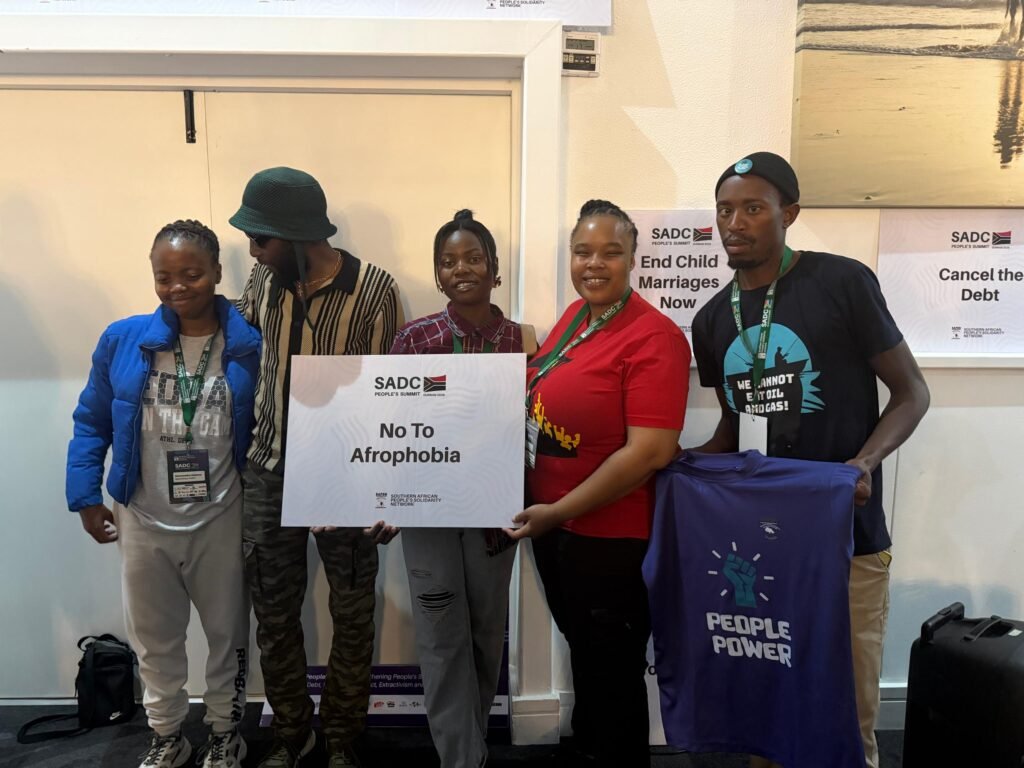
“SADC leaders must decisively confront xenophobia and Afrophobia and advance a more open, borderless Southern Africa where people can move, work and trade with dignity. Regional integration must protect migrants, informal cross-border traders and vulnerable communities,” read the communique.
The groups further called for meaningful participation of women and young people in political and economic decision-making.
They also urged SADC governments to urgently prepare for the 2026/27 El Niño season through early warning systems, anticipatory action and pre-positioning of resources, with climate finance and shock-responsive social protection reaching communities most affected by disasters.
The organisations said extractive industries should also be held accountable for climate-related harm, displacement and environmental destruction.SAPSN said it would advance a People’s Accountability Framework to track progress on key SADC commitments and the demands raised at the People’s Summit.
The groups said they would continue organising, engaging governments and SADC institutions, and holding governments and corporations accountable for commitments affecting communities across the region.

