
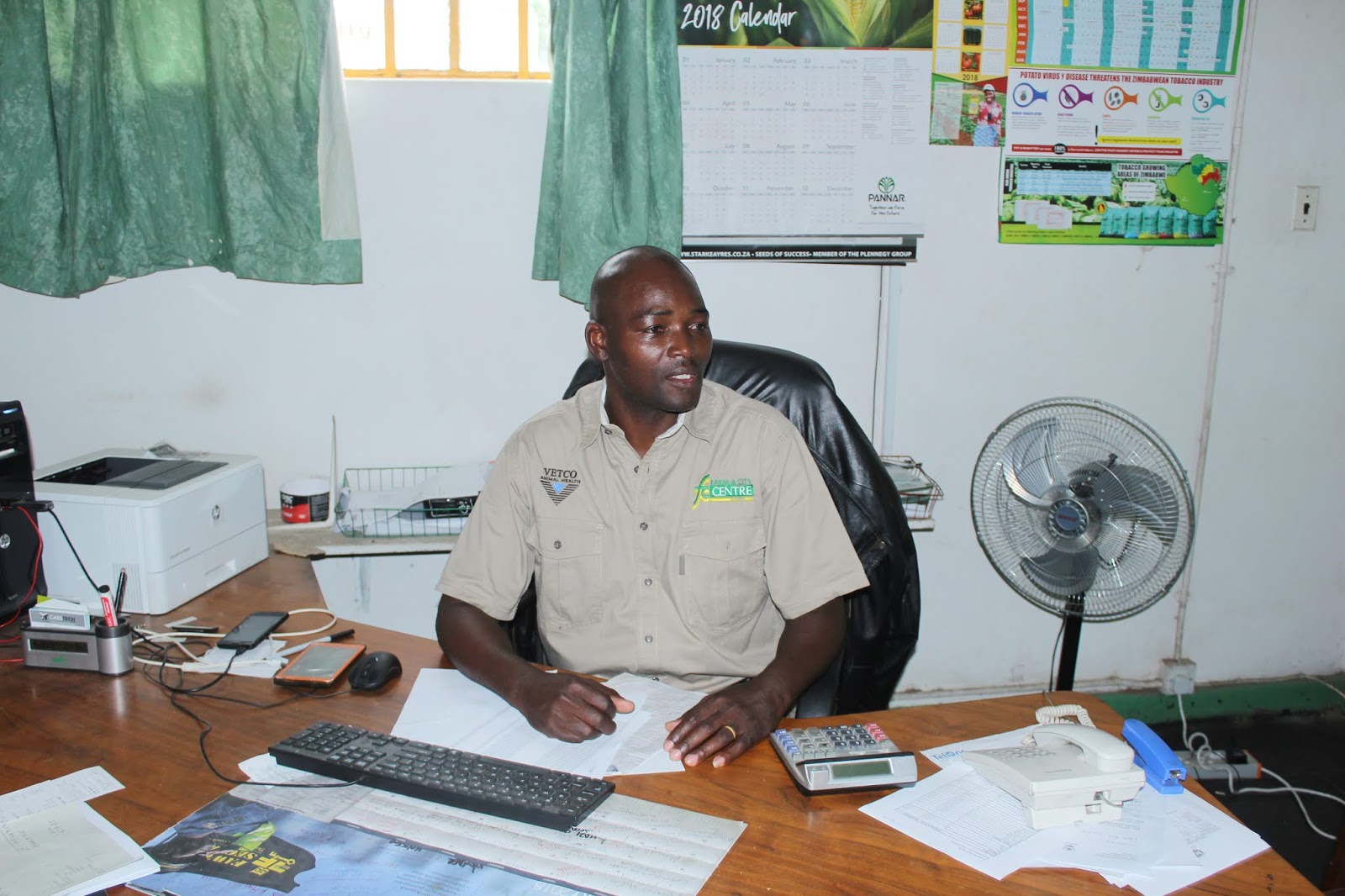
by Vengai Defu
Onion is one of the crops which is not so complicated to produce, therefore most people thrive to have a small bed in the backyard. Onions provide a vital flavour in our daily meals.
Most farmers are adopting the hybrid crops which are matching the indigenous weather conditions and disease resistant. One such onion variety is Ilanga Plus which is a Zimbabwean product produced by Avanos. Good planting season is between June and September.
Onions should be planted on loose soils to enable bulb growth and soils with good drainage system. Too much water is not good for onion plant. Make ridges after ploughing. Farmers may use organic manure together with granular fertilizers. Superfert compound C is applied at rate of 1 000kgs per hectare before transplanting.
Plant spacing is essential for the bulb growth and we recommend a plant population of 650 000 to 800 000 per hectare. That means 4 to 5kgs of seeds are needed per hectare. We recommend 7 to 10cm in-row and 15cm inter-row.
When the plant is growing, apply top dressing that is calcium nitrate at the rate of 180kgs per hectare and be split into 3 or 4 applications per 3 weeks’ interval. We do not need much since onion is a poor feeder because of its short roots.
NOTE, calcium should be applied during warm weather condition because onion poorly uptake nitrogen in cold weather. Constant soil moisture should be maintained and in hot-dry areas we advise farmers to irrigate after every 3 to 6 days.
Ilanga Plus takes 95 to 115 days to mature. When the crop shows signs of foliage collapse, reduce irrigation rate and when its 80 percent foliage collapse stop applying water.
Harvesting is now ready. It should be done during clear day to enable appropriate drying. This is very essential to avoid crop rotting. We can leave them in the field to dry but must be covered with a thin layer of grass to avoid direct heat from the sun.
If we take them to the storage room, make sure it’s properly ventilated. When the foliage, roots and the outer bulb skin cover are dry cut at around 4cm of the neck and packaging can take place. This variety has a good shelf life of 5 to 6 months.
PESTS
Ilanga Plus is best hybrid but we should use chlorpyrfos or carbaryl 85 to curb cutworms
Leaf miner can also be a problem but use carbaryl 85, malathion 50ec or malathion 25%.
DISEASES
Fungal diseases are the most common in onions such as blights and white mildew. We can apply mancozeb, cooper oxychloride or dithane m45.
NOTE, it must be kept dry to avoid rotting and longer shelf life.
However, farmers are advised plant this variety due to its long shelf life and can market itself. It weighs about 100 to 130g per head and has a potential yield of 45 to 65 tonnes per hectare. That is 45 000 to 65 000kg and 15kg cost $25.00
For more information contact me on +0392264246 or +263772137202 or +263777429362
Or our sales team on +263773208930
Compiled by Vengai Defu Farm and city manager

