By Staff Reporter
In the heart of Bikita East ward 31, Chief Mazungunye area, a remarkable group of 51 people, including 35 women, from Mabheka garden, led by chairperson Kasira Chiweshe, have come together to make a difference in their community.
After the devastating Cyclone Idai, they refused to give up. Instead, they joined forces to harvest water through the creation of small dams to prevent runoff on gullies and streams left by the cyclone. They worked tirelessly to build dam walls using innovative techniques like soil, stones, and mesh wire, and their hard work paid off as they are already reaping the benefits of their labor.
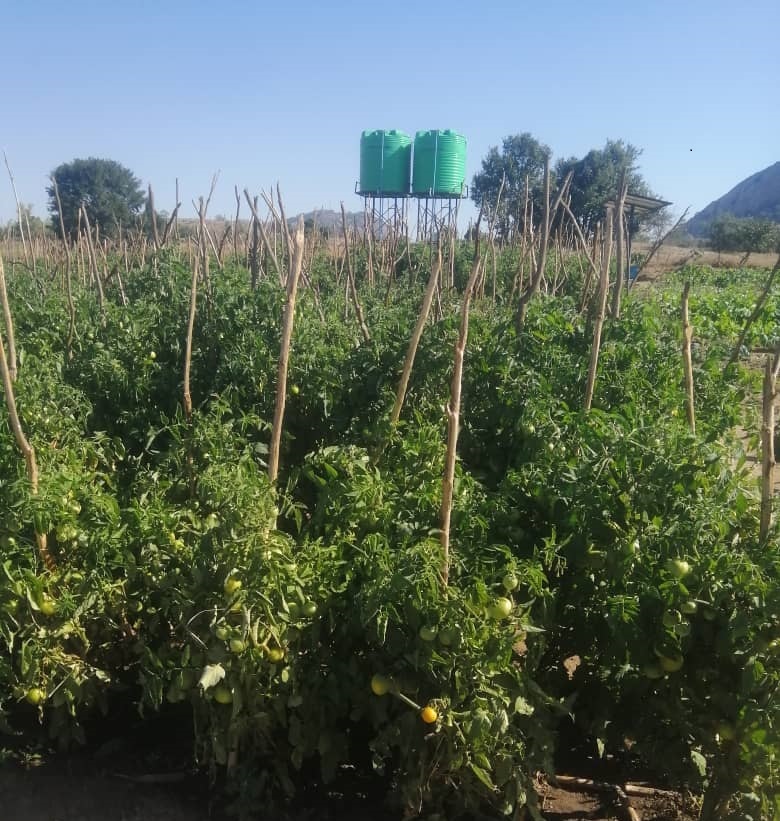
One garden committee member, Pauline Pasipanodya, said they managed to harvest water in the small dams, which they use to irrigate their garden, in which they grow vegetables, onions, and tomatoes, among other crops.
“We saw an opportunity from the gullies left by Cyclone Idai and decided to use them to harvest water, which is now making a difference in the garden and the community,” said Pasipanodya.
She said they had learned about water harvesting and contour ridge making from some NGOs operating in the area, which provided them with some materials. She said contour ridges prevented runoff and kept the fields moist as it allowed drainage.
“We’ve learned that contour ridges prevent runoff and allow water to go down into the ground, keeping our fields moist, which is ideal for agriculture,” she said.
She said the garden had become a source of fresh produce and a symbol of their hard work and dedication. They’ve developed a system for selecting and processing own seeds from their yields, which reduce costs associated with buying seeds.
They carefully select the best seeds from their harvest, process, and store them in a dedicated hut for future planting seasons.
“We now do our own seed processing here. We select grain from the field and after harvest. We then treat the seeds, which we keep in our storage hut. We will then use the seeds when the time comes. This lessens the burden on farmers since we do not need to buy seeds,” said Pasipanodya.
The group’s commitment to sustainable practices is also noteworthy. They’ve learned the importance of tree farming for wind barriers, preventing frost bite, and desertification. They’re replanting trees for firewood and other uses, ensuring that their natural resources are preserved for future generations.
Another member, Gladys Chinofunha, who is responsible for Monitoring and Evaluation, said tree farming contributed to nutrition and almost every household had its own fruit trees. “Tree farming has not only provided us with fruit, but it’s also enhanced nutrition and reduced the need for households to ask neighbors for fruit. Many households in the area now have their own fruit trees, promoting nutrition and community self-sufficiency,” said Chinofunha.
She said the group established a greenhouse, which they use for tree nursery, allowing them to propagate and nurture young trees on their own.
The group has seen impressive harvests of small grains that are drought-tolerant and ideal for their dry land. They’ve even started brewing beer and maheu for events, selling some to generate income for their community from the small grains.
Other committee members include Gray Ushe, who is the vice chairperson, Elizabeth Makono, who is the secretary deputized by Rumbidzai Mandiki.
Committee members include Revesu Mapuranga, Rezen Zvapano, Tendai Mutendi, Pauline Pasipanodya, and Lovemore Mhesa.