Home Blog Page 493

Day 8: #Lockdown Picture Gallery

0
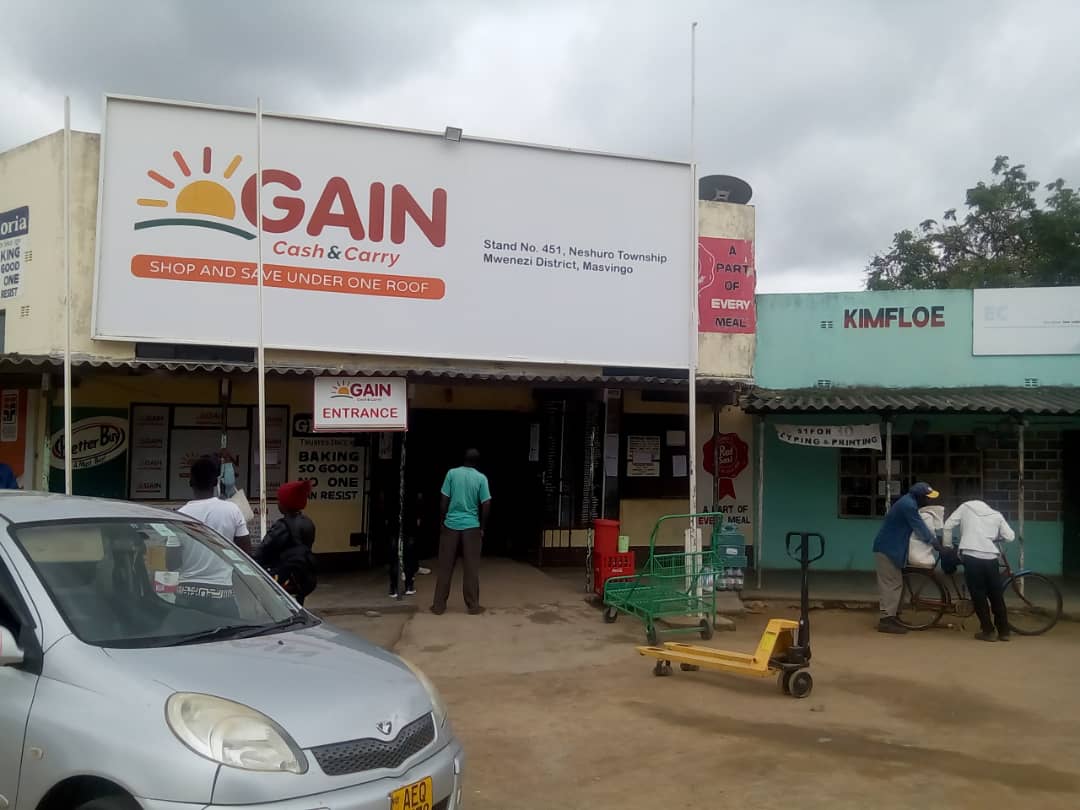
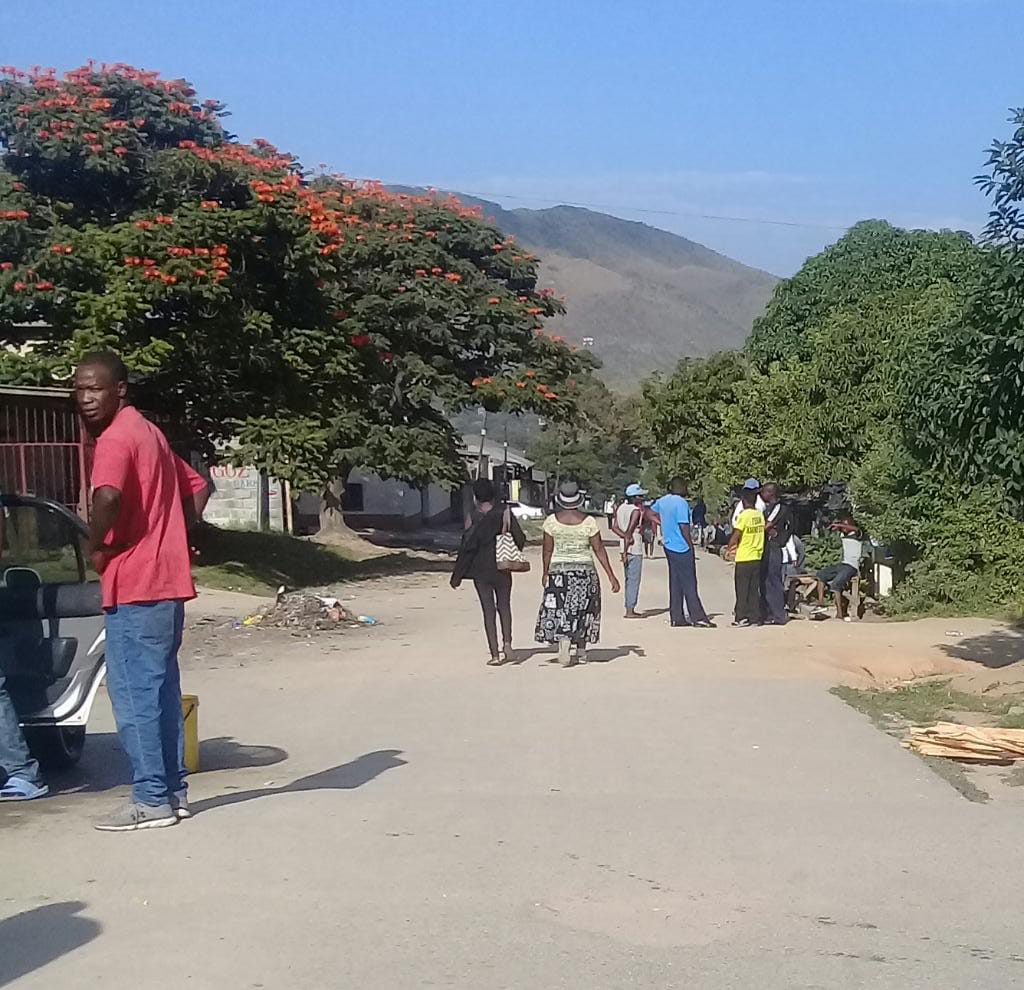
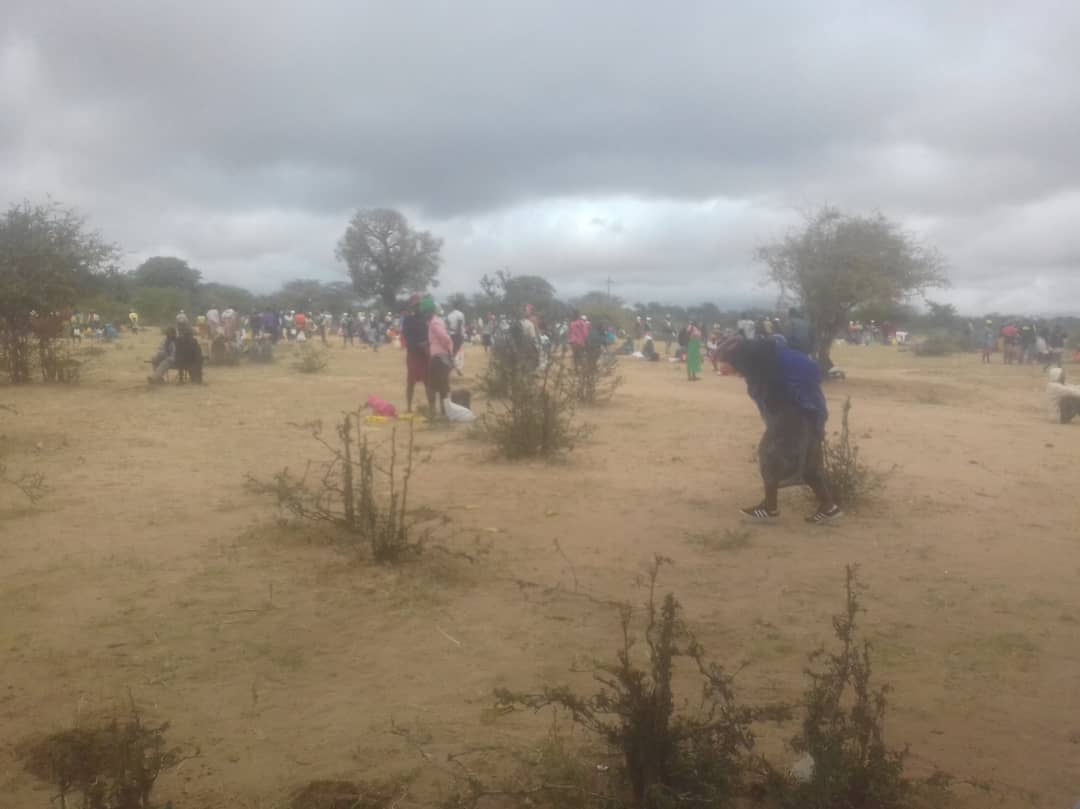
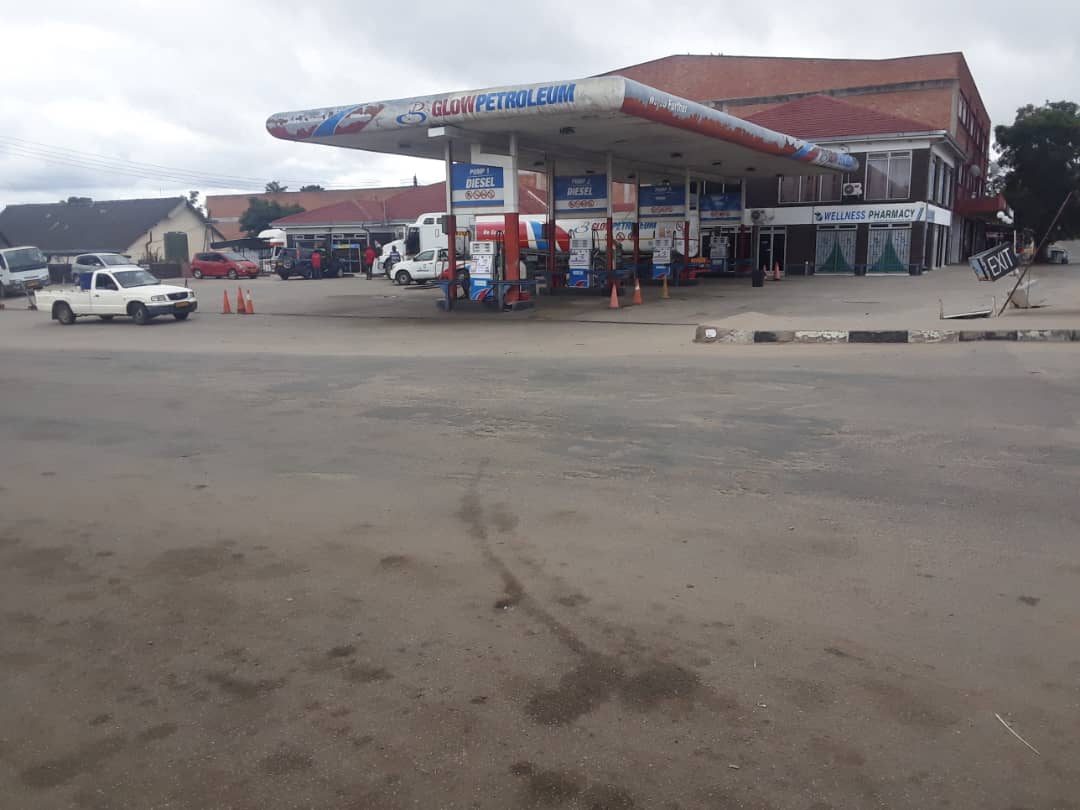
Neshuro growth point, Mwenezi

Bikita district has so far been identified as the worst offending
district in Masvingo province in terms of the non-compliance with the
lockdown due to lax enforcement on the part of police. There was a
bustle of life at Nyika growth point, and a hardware was see doing
business even though hardwares are not defined as providers of
essentials in terms of the lockdown order. Mishika-shika are also
operating, and they have devised a way of avoiding police roadblocks,
and these are playing a huge role in defeating the purpose of the
lockdown. In Zaka, people are selling agricultural produce on the
roadsides, but Jerera growth point was generally quiet. Light industries
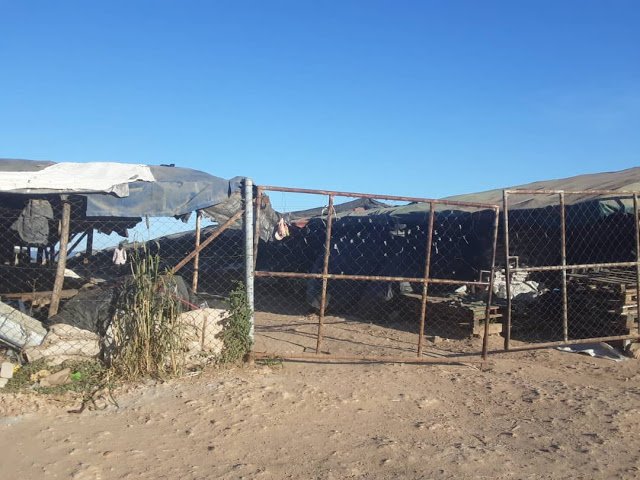
in Mutare are now operating at home, behind gated walls. Passengers
were captured alighting an overloaded Zupco bus in Masvingo. Gutu was
generally quiet and council there has been asked to find a way of
allowing a limited number of informal traders to do business so as to
reduce inconveniences for those that need vegetables. Gutu RDC seems to
be the most serious of all rural local authorities in enforcing the
lockdown.

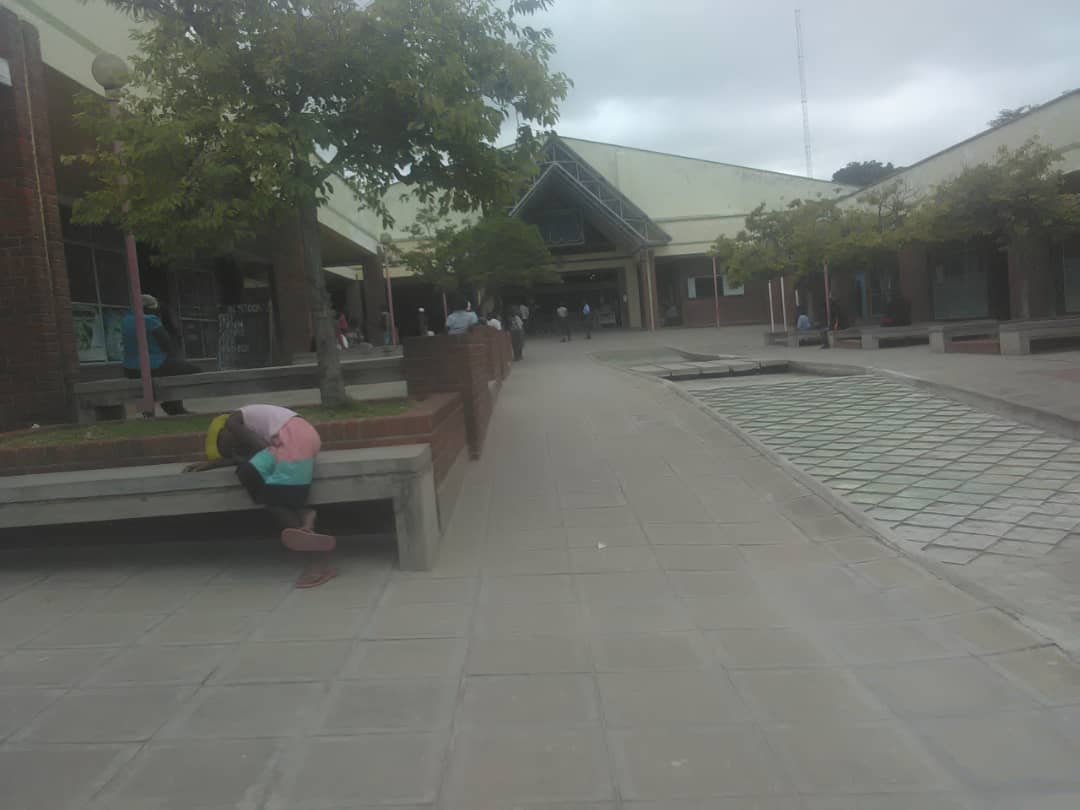
Chivi growth point

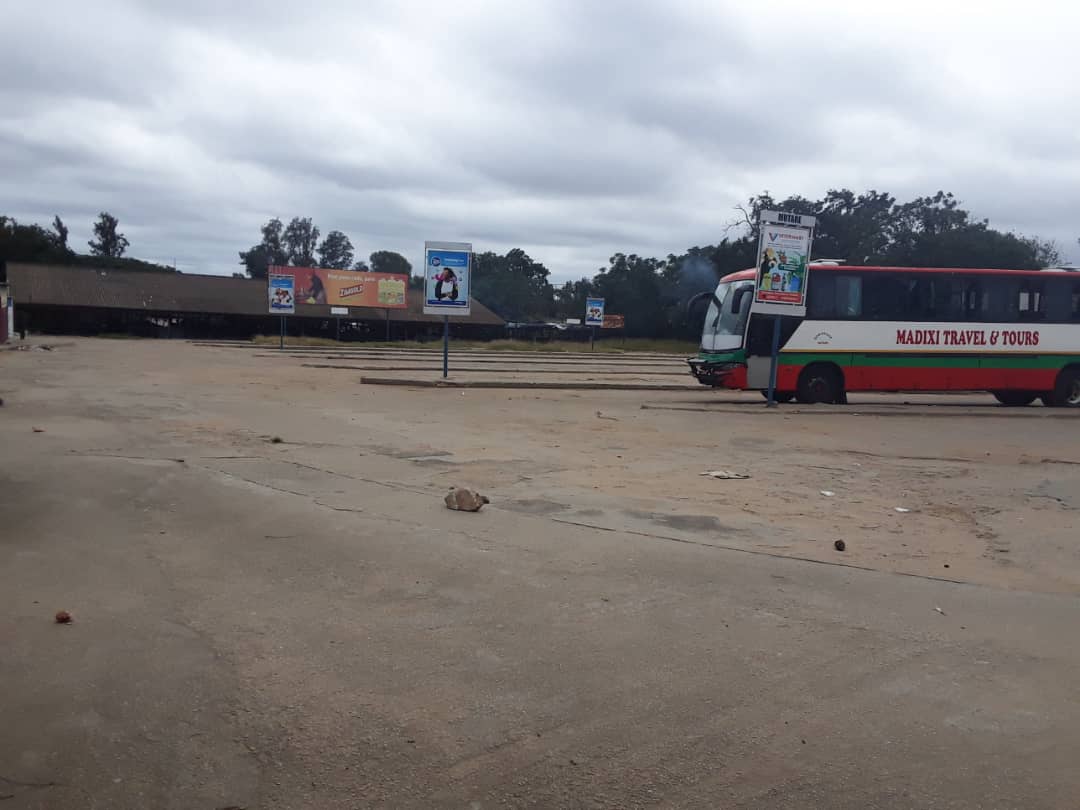
Chiredzi

Chiredzi

Chivi groiwth point

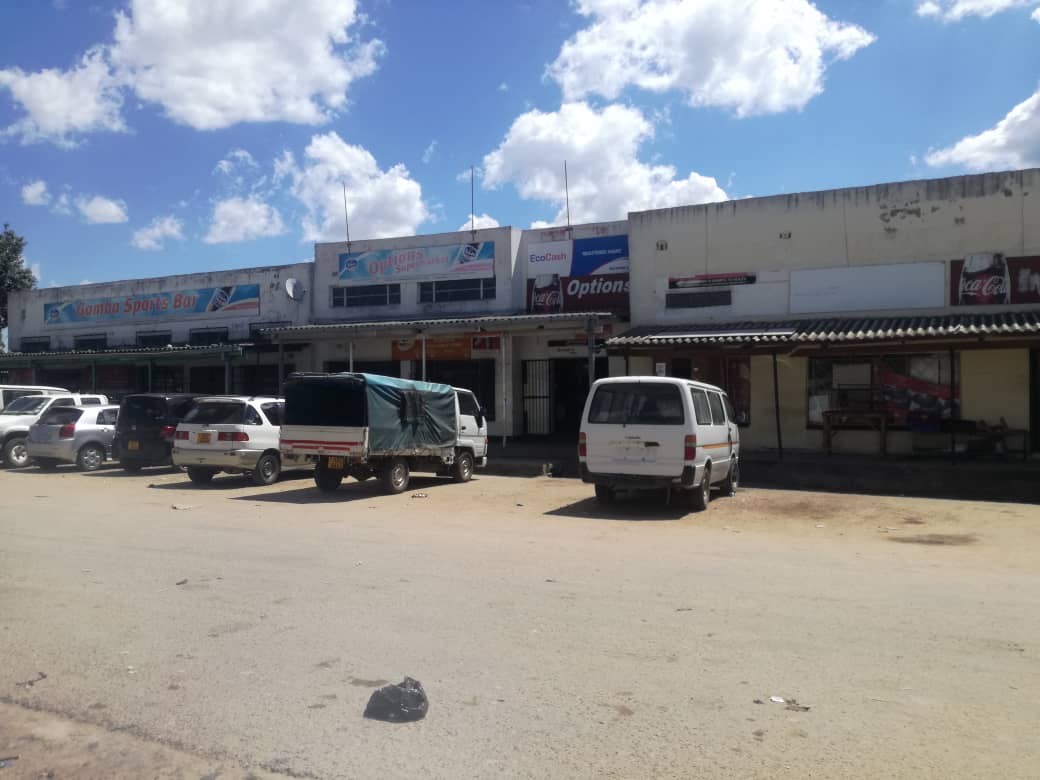
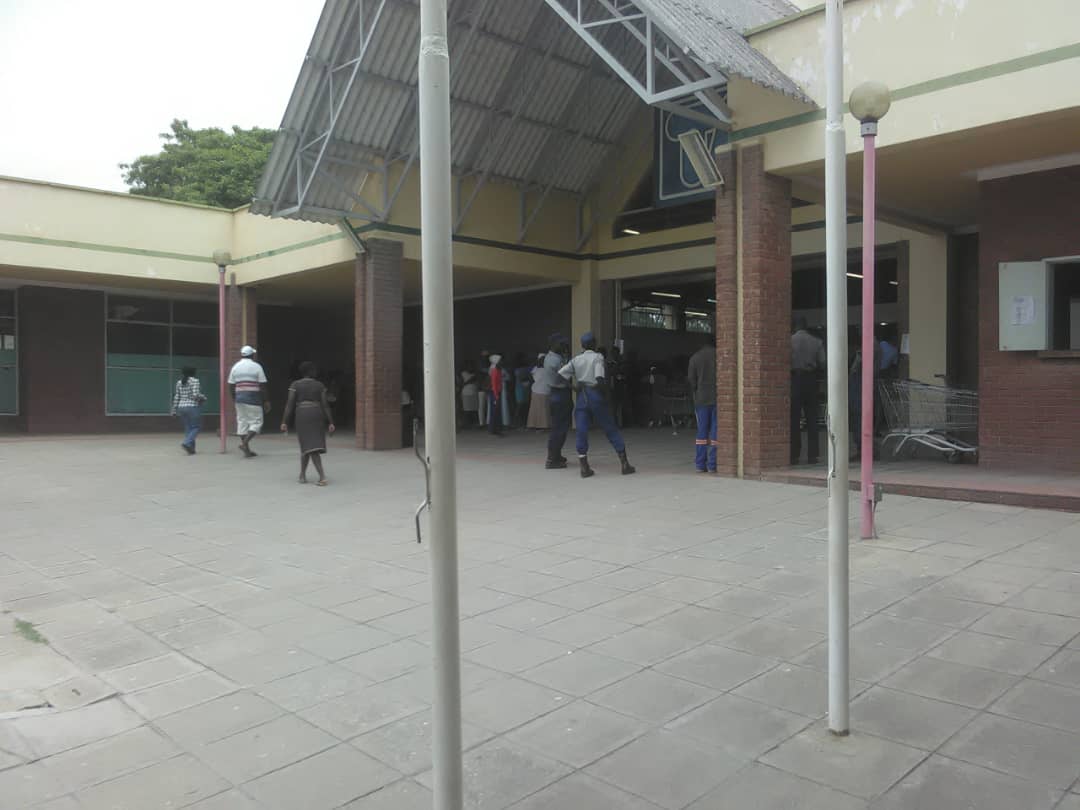
Gomba shopping centre, Runyararo West, Masvingo

Mutare

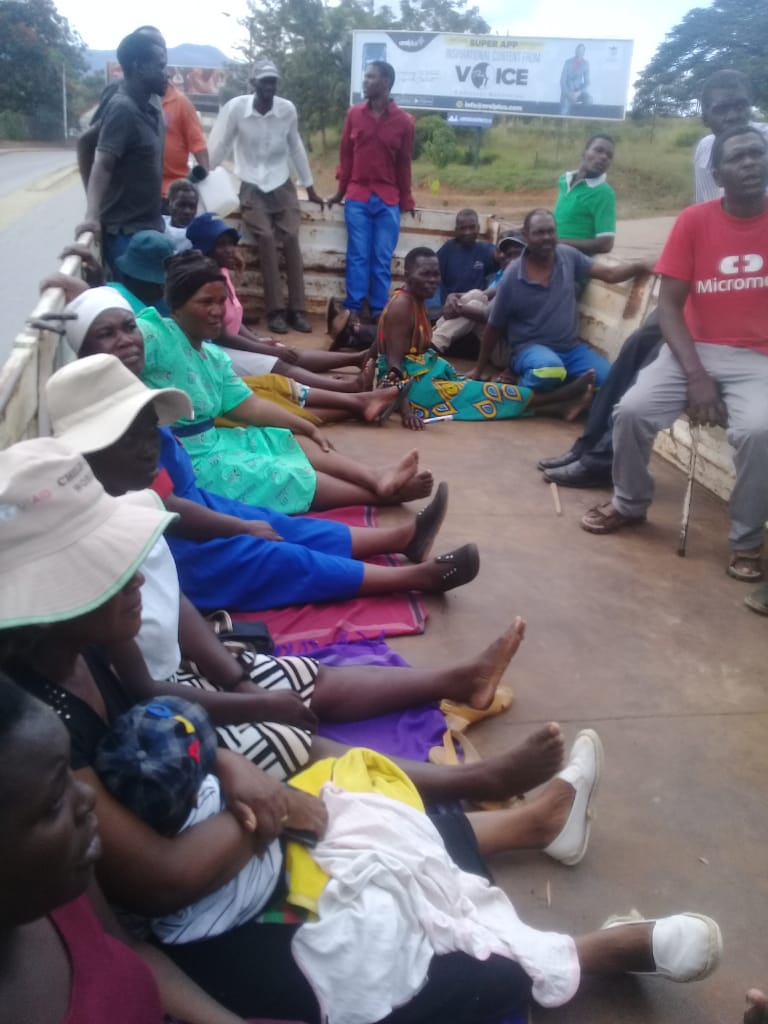
Mourners on a lorry in Mutare

Mutare light industry at home

Vendors on a highway in Zaka

Mpandawana, Gutu

Covid-19: The fear induced by the pandemic

Dr Jeofrey Mtemeri
COVID-19 is referred to as a mild to severe respiratory illness that is caused by a
coronavirus. It is basically transmitted in most cases by contact with infected
objects such as respiratory droplets. Symptoms of coronavirus includes among
others; fever, cough, shortness of breath and may progress to pneumonia and
respiratory failure.
COVID-19 was first identified in Wuhan, China in 2019. It
is now a global pandemic where most countries have been affected in one way or the
other. This disease affects people of all walks of life but the elderly are
said to be more vulnerable. People with medical
problems such as those suffering from diabetes, chronic respiratory diseases
such as asthma, pulmonary hypertension and respiratory allergies are also more
vulnerable to the disease.
Fear as a result of COVID-19
COVID-19 has ignited a lot of fear among citizens. Fear
is simply defined as
an unpleasant emotion
caused by the threat of danger, pain, or harm. In humans, fear can be seen as a
normal emotion that promotes survival.
It helps in
signaling our bodies to respond to danger with a fight or flight response.

The threat of COVID-19 to human kind is not overemphasised.
According to the behavioural theorists, fear is a classically conditioned
response, and thus is a learned behaviour. In other words, fear develops when a
fear response has been paired with a previously neutral stimulus and as a
result of that pairing (conditioning), the previously neutral stimulus now elicits
a fear response. In other words f
ear
may result from past experiences or trauma.
Recently, Zimbabwe was hit by the cyclone idai especially
in parts of Manicaland, Mashonaland East and Masvingo provinces where lives
were lost. Similar scenarios trigger a lot of fear to the people who
experienced such disasters.
What exacerbate this
problem is lack of knowledge about the pandemic among the world population.
They say knowledge conquers fear. Apparently, very little is known about
COVID-19. Sometimes people rely on social media where people would post
anything without censor or some sort of screening. Social media if not
controlled may exacerbate the fear that the people already have about the
coronavirus.  Social media may possibly
be a recipe for disaster. Misinformation, lies, unproven truths can be conveyed
through social media. It is an unfortunate situation in Zimbabwe because people
have no choice but to rely on social media in most of the time. Such
information may trigger fear that would trigger anxiety, depression and other
disorders.
Anxiety
as a result of fear
When a person feels threatened, their metabolism is
raised up in anticipation of an imminent need to defend oneself or flee.
Anxiety is the anticipation of a threat that is feared. Research has proven
that
anxiety disorder is caused by excessive
neurological activity in the area of the brain that is responsible for
emotional arousal.
The insurmountable
fear of COVID-19 has caused a lot of anxiety in many people. Africans have a
way of life which is completely incompatible from the behaviours that are
advocated for in preventing the spread of the disease, for example avoiding people when keeping social distance is
not an African virtue. Shaking of hands is truly valued in Africa and failure
to do so when greeting people may be considered deviance. However, with
COVID-19, it is not permissible to shake hands because it promotes the spread of the virus. African ethos
are so much infringed by the behaviours that are encouraged in the fight
against the coronavirus.  Such anomalies may cause a lot of anxiety in
people.
When anxiety becomes excessive and disconnected from reality, it
no longer provides an accurate and reliable signal of danger. Anxiety is raised
because people don’t know how to balance the two. Hygiene is the solution to
the problem of shaking hands. People should wash their hands with disinfectants
after shaking or touching objects that may transmit the spread of the
coronavirus. People should not touch their nose, eyes and mouth after shaking
hands. Such information is critical to reduce the fear and eventually lower
anxiety.
People are told without detail that if their loved ones
passed on as a result of COVID-19, the deceased should be buried within 24
hours after someone has been declared dead with very few people in attendance,
it sounds very un-African. Such controls may raise emotions such as anxiety.
People feel literally overcome and overwhelmed by such unexplained directives and
raise strong fears. Africans respect their dead and always want to give them a
befitting burial. People need to be educated about sudden changes in dealing
with issues that transgress their norms.
Depression as a result of fear
Depression
is simply defined as a mood disorder that can affect people’s lives. It may be
described as feelings of sadness, loss, or anger. Depressed people are not
worried about what the future holds, they think they know what the future holds
and they believe that whatever the future holds is bad just as the present. In
other words, depressed people are pessimistic and already doomed. They think COVID-19
will never go away, and to them the future is doomed. Those who have been
infected think their lives have come to an end. The same also applies to those
whose relatives or friends have been infected. People don’t actually think they
will get well at some point. However, recent statistics on COVID-19 have proved
beyond reasonable doubts that a bigger percentage of those infected got treated
of the disease. Fear of the unknown worsen the situation. Positivity for both
the infected and the affected is the way forward. As of the 4th of April, 2020 WHO
statistics showed that about a million people were infected by the virus 228
000 were treated of the disease and only over 59 000 died. This is a clear
indicator that the disease is not as invincible as people might think. People
lack adequate information about the disease and hence they become depressed. Therapy,
medication and social support are necessary in treating depression.
Way
forward
People
need to be equipped with verified information about coronavirus. This will
reduce the fear that people have at the moment. Social distancing information
must be well articulated so that people understand the background to the
phenomenon. National and provincial media must do their work of supplying correct
information about the disease. Social media should act responsibly by communicating
correct and verified information. Not everyone on social media is
irresponsible. Quite a number of people are fighting COVID-19 through the
social media. More resources should be channelled to allow psychologists,
counsellors, social workers and other volunteers to visit every part of the
country to educate people about the disease. Fear and eventually anxiety and
depression may be minimised if people receive correct information about the
disease. Information centres must be established from ward level this will
enable people to get correct information. Let’s all augment the government
effort to fight the disease. Together we stand divided we fall.
Dr Jeofrey Mtemeri
Department of Psychology
Great Zimbabwe University

Day 7: #Lockdown Picture Gallery

0

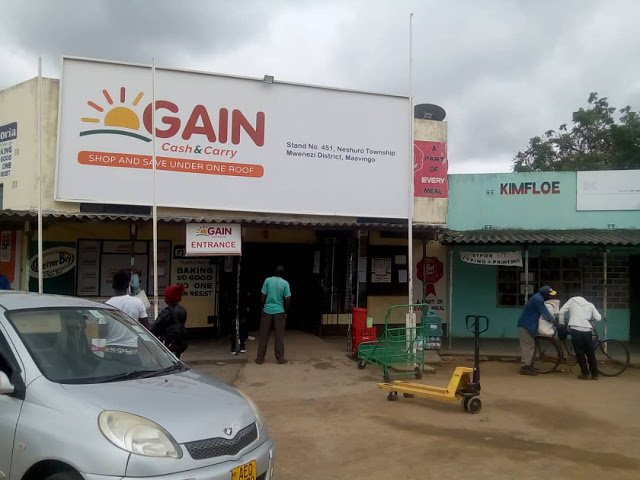
In areas where our citizen journalists managed to visit today, many churches did not conduct services while others shifted to virtual platforms to do services. Churches like the Apostolic Faith Mission  (AFM) and the Alliance Church in Zimbabwe are in their second week without conducting any services at their assemblies in Masvingo and Chiredzi. Being a Sunday, the few basic commodity shops that opened in town closed earlier than the stipulated 13:00 hrs. The Marange community in Manicaland was quieter than the previous days although the police were not at all visible. Some bottle stores continued to operate outside of the stipulated time-frames using sneaky backdoor methods. In Chipinge, some vendors have set-up makeshift market structures inside their gated homesteads to evade police wrath.

ZAOGA, Chirewdzi
Mucheke, Masvingo

Salvation Army church, Chiredzi

Chiredzi

Birchenough Bridge

Chimoio hostels, Mutare

Methodist Church, Area 15, Mutare

Masowe shrine, Area 3 Dangamvura, Mutare

Overcrowded hostel indoors hard, Mutare residents complain

0


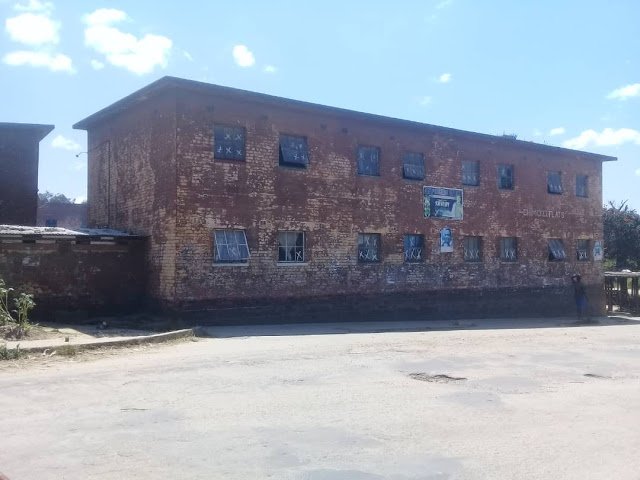
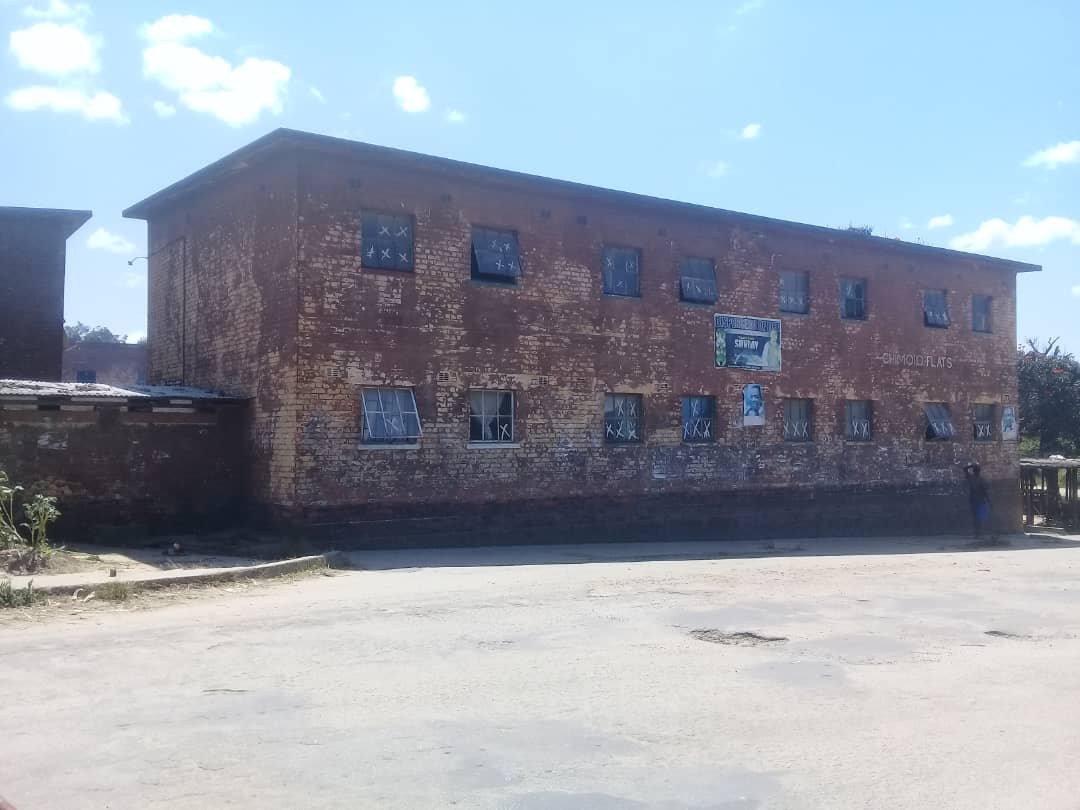
Chimoio flats

Monalisa Matongo

MUTARE –
Tenants of
the dilapidated Chimoio hostels complain that the national lockdown which
requires people to stay indoors most of the time is unfair to them because of
the overcrowding.
The filthy flats accommodate hundreds of people who squeeze
each other in tiny decrepit rooms.
Two families divide a single room with a curtain and share the
often clogged communal toilet cubicles and bathrooms with many other tenants.
Some tenants who spoke to TellZim said they were used to
leaving their places early in the morning for their daily work routines and are
therefore finding it difficult to spend the whole time there.
“It’s very bad in there, the overcrowding and noise is suffocating.
It’s better when you leave early in the morning because fewer people remain for
much of the day with more room to breathe. You come back in the night and sleep
for a few hours. That is the pattern we had become accustomed to, but to be
told now that we must spend all the time here is insensitive,” said one male
tenant who is father to three children.
Another tenant said it was difficult to cope because the
police are always on the lookout for those who gather anywhere outside the hostels.
“We often came here outside for a breath of fresh air with
other tenants but the police no longer want to see us gathered outside. What
they do not know that it’s worse inside because social distancing rules are
hard to abide by. If one is to contract coronavirus here, it would spread to
many others in no time,” said the tenant.
Others suggested that council should disinfect the whole
place and upgrade ablution facilities to make the place more habitable.
Ward 1 Cllr Thomas Nyamupangedengu said he acknowledged the
difficulties that people of Chimoio and other hostels faced and will ask
council to improve facilities and disinfect the places.
Council also owns other equally decrepit hostels like Matida
where hundreds reside under the most deplorable conditions.

Covid-19 lockdown: Govt considers SMEs bailout

0

TellZim Reporter
Government has advised members of
the Small and Medium Enterprises (SMEs) sector whose businesses have been
affected by the national lockdown to come forward and register their names for
a possible financial bailout, TellZim can report.
In a communiqué dated April 01,
the Ministry of Women Affairs, Community, Small and Medium Enterprises
Development urges the affected interests to compile lists of their members.
“In view of the global outbreak
of Covid-19 and the subsequent National Lockdown to minimise the spread of the
disease, Government is considering a number of interventions to minimize the
impact of the lockdown. One of the interventions is to assist people engaged in
the SME and Informal Sector through providing assistance to cushion against
loss of income for subsistence.
“The Ministry of Women Affairs,
Community, Small and Medium Enterprises Development is therefore requesting for
SME and Informal Sector Associations to compile lists of members of their associations
for submission to the Ministry’s Provincial Offices. The information should
include name, sex, ID number, address, ward or area and cell number,” reads the
communique.
In Chivi district, people have
been told that those who should register their details include vendors,
non-food manufacturers, hardware operators, general dealers, builders and
small-scale miners.

Day 6: #Lockdown Picture Gallery

0

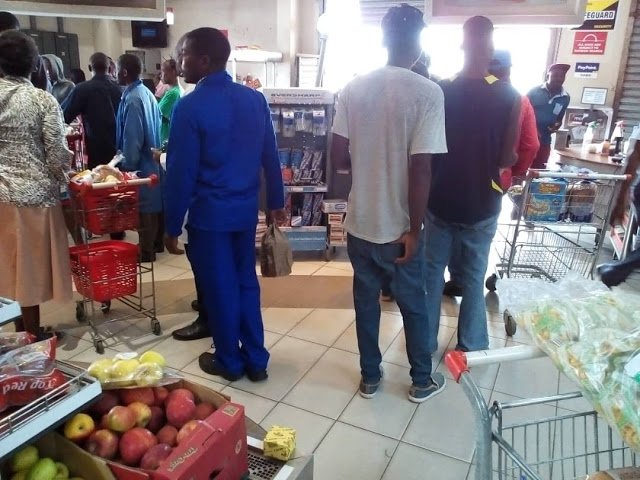
Vegetables farmers in Birchenough are reported to be desperate as their fresh produce rots in the fields, and some of them are said to be now selling it at giveaway prices deep in the night. Citizen journalists there report that some of the farmers go door to door selling their produce under the cover of darkness. In Chiredzi, the sixth day of the lockdown passed with relative calm, with no mealie-meal queues that defined some of the previous days. In Masvingo, there was a queue of vehicular traffic getting into town at across Mucheke Bridge passing through a police roadblock at around 10:00 hrs. Of particular concern were queues at the tills of the few shops that were open as customers squeezed each other and seemed not to care about the minimum 1.5 metre distance that people should maintain between each other. Mutare was generally quiet, but some bottle stores at Beta business centre in Dangamvura were trading clandestinely. Motorists bought alcohol there and enjoyed it in their cars while maintaining a watchful eye against roving police details.

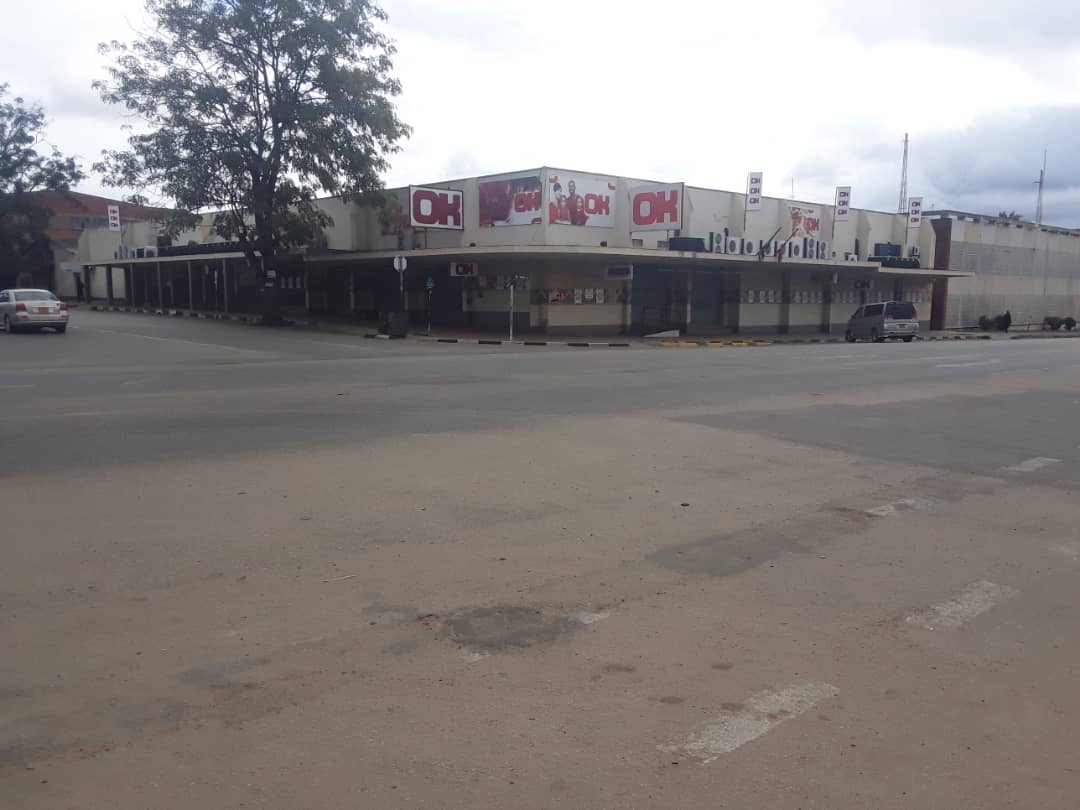
OK Supermarket, Masvingo
Chiredzi

Chiredzi

Gutu Mpandawana

Mpandawana, Gutu

Traffic across Mucheke River into Masvingo CBD

A queue for water at Sisk business centre, Masvingo 

Yeukai business centre, Masvingo

Masvingo CBD

Ingwe Drive, Rujeko C, Masvingo

Rujeko C, Masvingo

Beta business centre, Dangamvura, Mutare

Lockdown was rushed, says Kasukuwere

0


TellZim
Reporter

Exiled former Zanu PF
national political commissar, Savior Kasukuwere has attacked the national
lockdown measures signed into effect by President Emmerson Mnangagwa, saying the
process was rushed without cognisance of socio-economic realities in the country.
In an interview with
TellZim, Kasukuwere said the restrictions were a blind copy and paste act which
failed to factor in the country’s own unique economic circumstances.
“Zim is under 21
days of lockdown which is normal but if you look at countries that have
initiated lockdowns before us, they had proper plans on how their people will
make ends meet..
“Zimbabwe is run
by an informal economy. So many people are not formally-employed; meaning to
say if they stay at home, no money will come their way. What will happen to
those people under the lockdown? Surely they will starve. Mnangagwa should have
known this before locking the country down,” said Kasukuwere.
He said the lockdown
days will have a devastating impact on livelihoods like no other
government action before.
Government recently
announced that it will launch a mitigatory exercise to cushion a million
vulnerable families through a cash transfer programme but many people fear the
programme, like every other one in the past, will be politicised to sideline opposition
members and supporters, real or perceived.
“Mnangagwa knew
that coronavirus would eventually reach Zim but they chose to be spectators
instead of preparing to cushion the people. Every Zimbabwean is in need so I do
not know which criteria they are going to use in choosing and helping the
vulnerable.
“Covid-19 is real
but our people are risking their lives by defying the lockdown because they do
not have food in their homes. They would rather take their chances with
coronavirus than watch their families starve.
“Zimbabweans do
not have savings, so where does Mnangagwa think that the people will find money
to buy food? Zimbabweans live one day at a time and the majority does not even
know what tomorrow will bring.
“In other
countries, people have a back-up from their savings accounts which are enough
to carry them through the lockdown periods,” said Kasukuwere.
Another exiled former
Zanu PF politician, Walter Mzembi, has suggested that government must send an
equivalent of US$5 directly to each citizen to help everybody cope with the
difficult lockdown period.

Zanu PF PC Masosota points gun at daughter’s ‘boyfriend’

Jevas Masosota


Beatific
Gumbwanda

CHIREDZI

Zanu PF Masvingo provincial political commissar Jevas Masosote was recently in
the eye of a storm after he allegedly pointed a firearm at a man he accused of
impregnating his teenage daughter who is still in high school.
Masosota reportedly
stormed into Liberty Dzingai’s homestead in Tshovani Location and maliciously
damaged his property at gunpoint.
The incident is said to
have happened in full view of Zanu PF provincial secretary for information Ronald
Ndava, former Chiredzi Town Council Zanu PF chairperson Francis Moyo and former
Chiredzi General Hospital medical superintendent Tungamirai Rukatya.
The three are said to
have had a torrid time to restrain a raging Masosota as he assaulted Dzingai
and broke some household property which included a television set, a bicycle
and dinner plates.
Sources said it was
Moyo who eventually managed to calm Masosota down after Ndava had failed.
When contacted for
comment, Dzingai said Masosota came to his homestead at around 21:00hrs and
began to assault him at first without saying a word.
“It’s true. He came to
my house at around 9pm driving a party vehicle and began to assault me using a
chair before saying anything. He went on to destroy my some dinner plates,
squeezed my two-year-old child against the wall before I retaliated.
“He was accusing me of
impregnating his daughter, claiming that they had since aborted the pregnancy
in Harare. He went to his car and brought a pistol which he threatened to gun
me down with. He destroyed my plasma television, bicycle and other valuable
property in my house as he stormed in,” said Dzingai.
When Masosote was
contacted for comment, he said he was not aware of such an occasion.
“I never did such
thing, it’s new to me,” Masosota said.
A source who witnessed
the fracas said Masosota came in drunk and destroyed Dzingai’s property at gun
point as he was accused Dzingai of impregnating his high school daughter.

Day 5: #Lockdown Picture Gallery

0

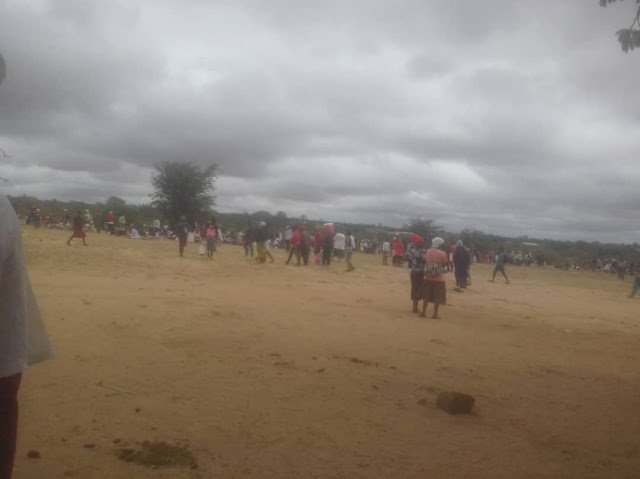
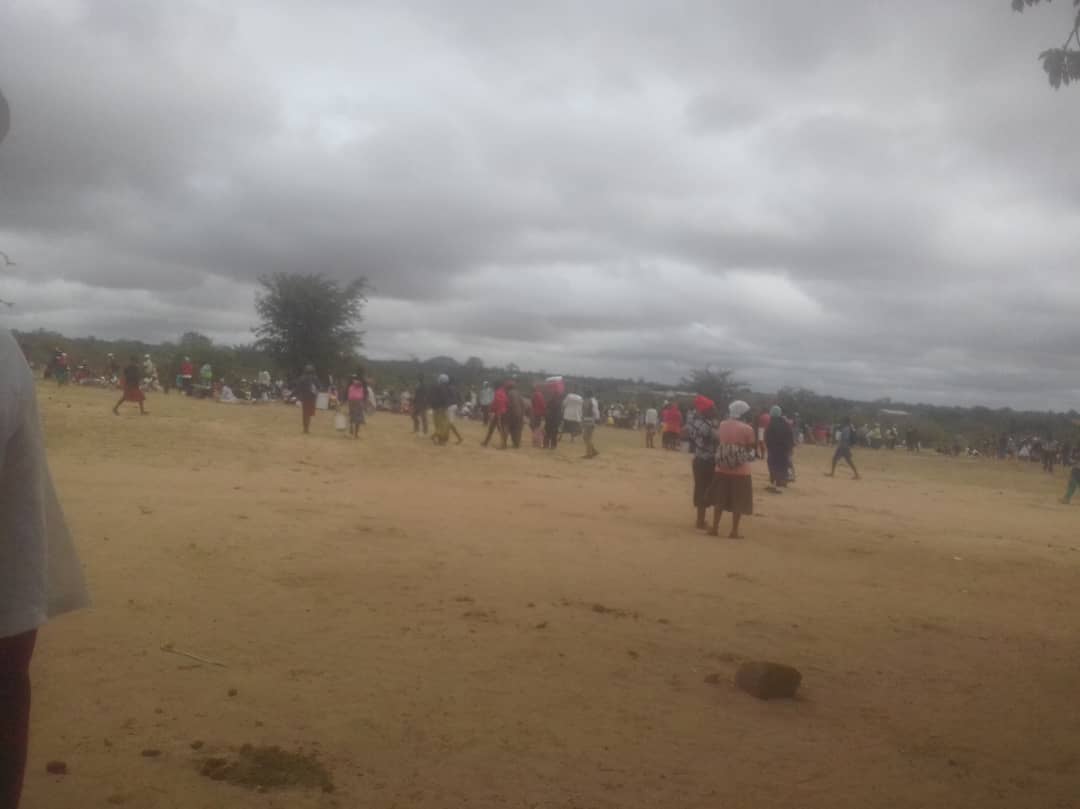
Day five of the lockdown was marked by what seemed like a more determined effort to restrict the movement of people than the previous four days. In Masvingo, grocers like OK closed at 13:00 hrs instead of the usual 15:30 hrs. Police were stationed at many roads leading into the city, and both pedestrian and motorist had to justify their movement or be turned back. Citizen journalists in the Midlands town of Zvishavane say motorists were not being allowed to fuel unless they gave convincing reasons. Along the Zvishavane-Muzvondiwa route, taxis were moving, but passengers were being dropped off at Mutonjeni, some 4km before town as a way of avoiding the roadblock mounted at Platinum Park. In Mutare Urban, police maintained a heavy presence at a TM shop in Dangamvura where entry was restricted. In Buhera South Ward 33, people gathered at Birchnough Bridge Primary School for a World Food Programme (WFP) food aid distribution exercise.

Buhera district Ward 33

Buhera district Ward 33

TM supermarket Dangamvura, Mutare

TM supermarket Dangamvura, Mutare

Mucheke bus terminus, Masvingo

Masvingo

Masvingo

Masvingo tests five Covid-19 cases

0

…authorities want
testing kits for each district

TellZim
Reporter

Five of the 316
Covid-19 tests conducted throughout the country by 02 April were from Masvingo
province, with all of them coming back negative, TellZim has learnt.
Addressing a press
briefing at Benjamin Burombo, the Minister of State for Masvingo Provincial Affairs,
Ezra Chadzamira said people should, however, not grow complacent as the risk of
several positive cases remained very high.
“Of all the cumulative
number of tests conducted in the country, five were from this province. It is a
good thing that we have not had positive cases, but that should not make us too
comfortable since the risk remains very high,” said Chadzamira.
The minister, who also
chairs the Masvingo Provincial Covid-19 Taskforce which comprises several subcommittees,
said authorities aimed to mobilise testing kits for each of the province’s
seven districts.
“The idea is to
capacitate each district to conduct its own tests as part of the decentralisation
of the testing process. The fight against the spread of coronavirus demands
more rigourous testing than what currently is happening,” Chadzamira said.
Currently, all tests
are conducted at the National Microbiology Reference Laboratory in Harare.
Chadzamira said
authorities were currently seized with resource-mobilisation aimed at boosting
the isolation centre being created at Rujeko Clinic.
Chadzamira said government
understood the damage that the national lockdown has wrought on livelihoods
especially on informal traders who survive hand-to-mouth. He said authorities
were looking at ways of allowing limited numbers of women to sell their
products at shopping centres in a controlled manner.
“Those who sell
perishables are the most hard-hit and we understand their pain. We are looking
at the feasibility of allowing a small number of women to sell each day,” he
said.
South Africa, which is
also under lockdown, has now allowed informal food traders to do business, but they
are required to apply for a licence first.